Vision Machines: Operations
The first event in our series on the way technology is changing what it means to see, co-presented with the Museum of Contemporary Art Australia. This session answers the question: What is a vision machine, and what does it do?
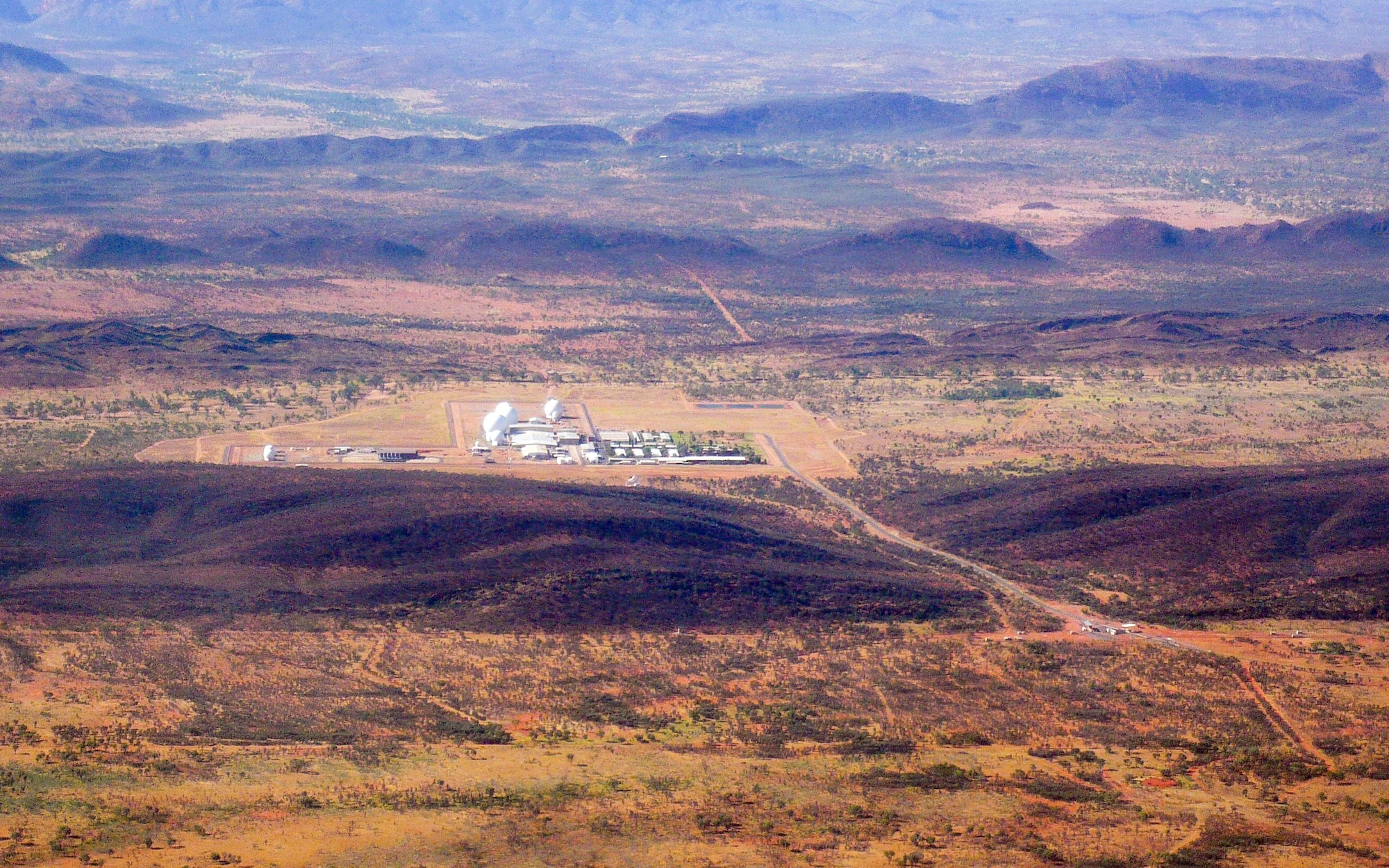
Pine Gap Satellite Tracking Station, 5 March 2009. Photograph: Andy Mitchell.
“Vision machines” are technologies that see. Their seeing, however, is not an open-ended sensory experience—a simple opening of the eyes. Machine vision is instead always functional, defined by a particular purpose. The images vision machines make and use are not representations of the world, but are more like operations.
In this session, researchers and artists Olga Boichak, Anna Munster, Michael Richardson, Joel Spring and Sian Troath will introduce vision machines and how they are used – from surveillance and warfare to data analysis and art-making. The night ends with a screening of Joel Spring’s Diggermode II: Cloud Ceding, a video work focusing on the digital image economy in Australia and touching on topics from land and data ownership to lifestyle vlogging and rare-earth mining.
This event is part of Vision Machines, a series convened by Andrew Brooks and Nick Croggon, co-presented by the Power Institute and the Museum of Contemporary Art Australia, as part of the Visual Research Program, a multi-year collaborative partnership between the MCA Australia and the Power Institute which aims to explore and showcase new ways of conducting research on contemporary art and visual culture.
Visit the Vision Machines website for tickets and more information
People
Anna Munster
Anna Munster is a Professor of Art and Design at the University of New South Wales, Australia. Her research currently focuses on new ways to theorise machine learning experience, emphasising critical artistic interventions into AI. Her book Deepaesthetics: On Computational Experience in a Time of Machine Learning (Duke, 2025) has won the Anne Friedberg Prize for Innovative Scholarship. She has written An Aesthesia of Networks (MIT, 2013) and Materialising New Media (2006, Dartmouth University). She is a practicing artist working across sound, video, and autonomous systems.
Olga Boichak
Olga Boichak is a Senior Lecturer in Digital Cultures and the Director of the Sydney Social Sciences and Humanities Advanced Research Centre (SSSHARC) at the University of Sydney. She is a Ukrainian-born media scholar researching the role of information and communication technologies in shaping public perception and outcomes of wars. Currently, she is an Australian Research Council DECRA Fellow working on a project that maps colonial topographies of digital sovereignty in Ukraine, as well as chief investigator on a suite of research projects that explore digital and social media in a geopolitical context.
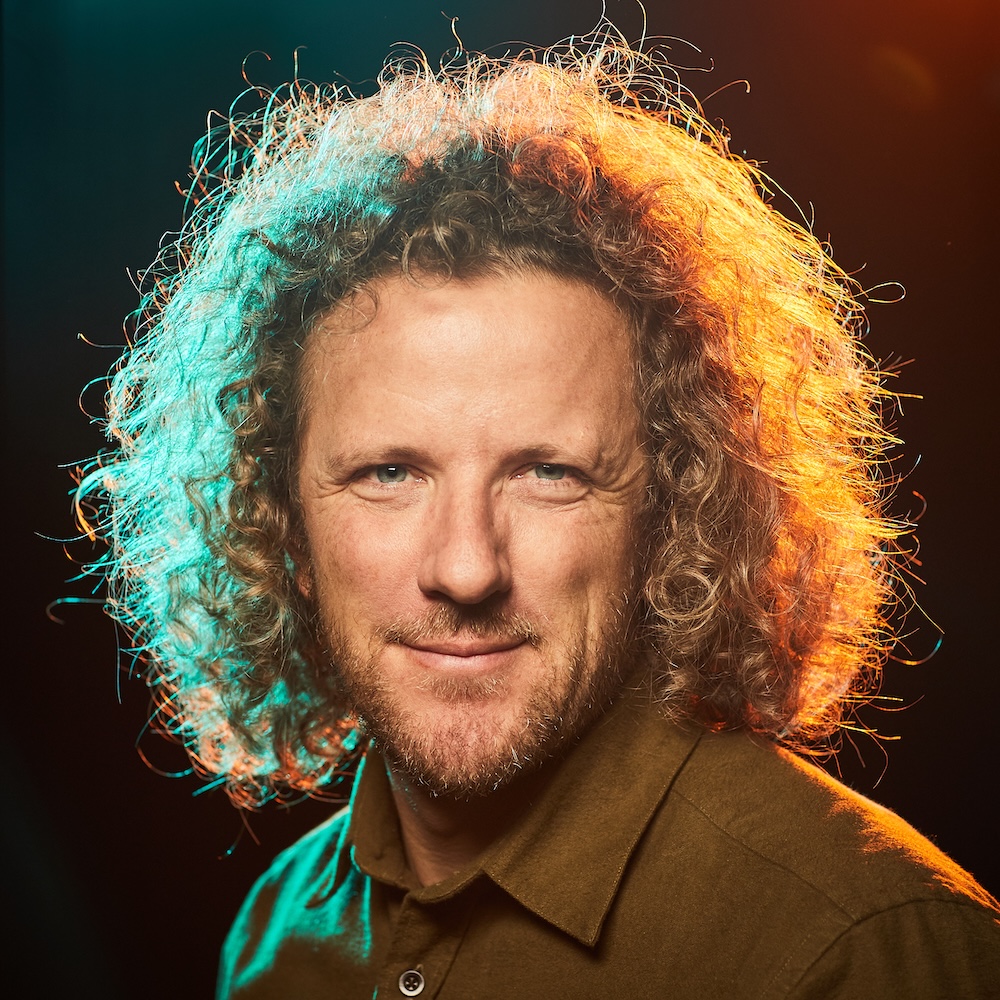
Michael Richardson
Michael Richardson is a writer, researcher and teacher living and working on Gadigal and Bidjigal country in Sydney, Australia. He is a Professor in Media and Culture at UNSW, where he co-directs the Media Futures Hub and the Autonomous Media Lab, and an Associate Investigator with the ARC Centre of Excellence on Automated Decision-Making + Society. His research examines technology, power, witnessing, trauma, and affect in contexts of war, security, and surveillance. His latest book is Nonhuman Witnessing: War, Data, and Ecology after the End of the World (Duke University Press, 2024).
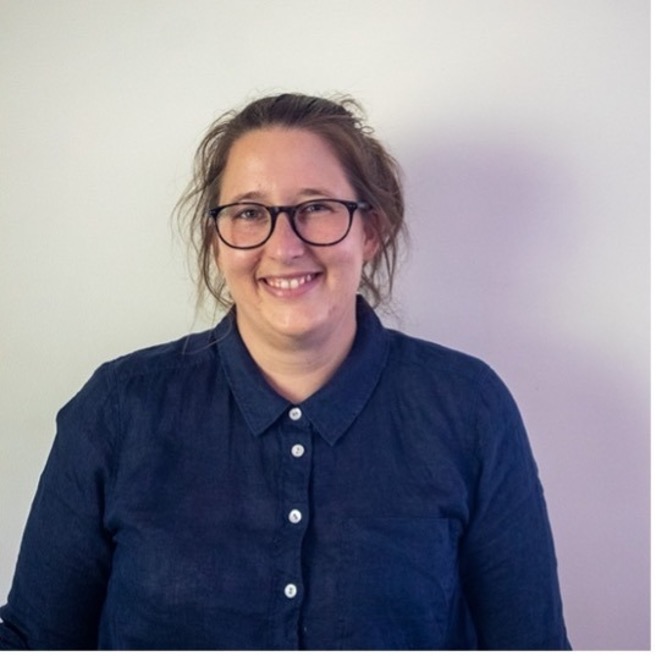
Sian Troath
Sian Troath is an associate lecturer at the University of Wollongong, having formerly worked as a postdoctoral fellow at the Australian National University and Te Whare Wānanga O Waitaha | University of Canterbury. Her research focuses on the political economy and politics of expertise, militarism, emerging weapons technologies, Australian defence and foreign policy, and theories of trust in international relations.
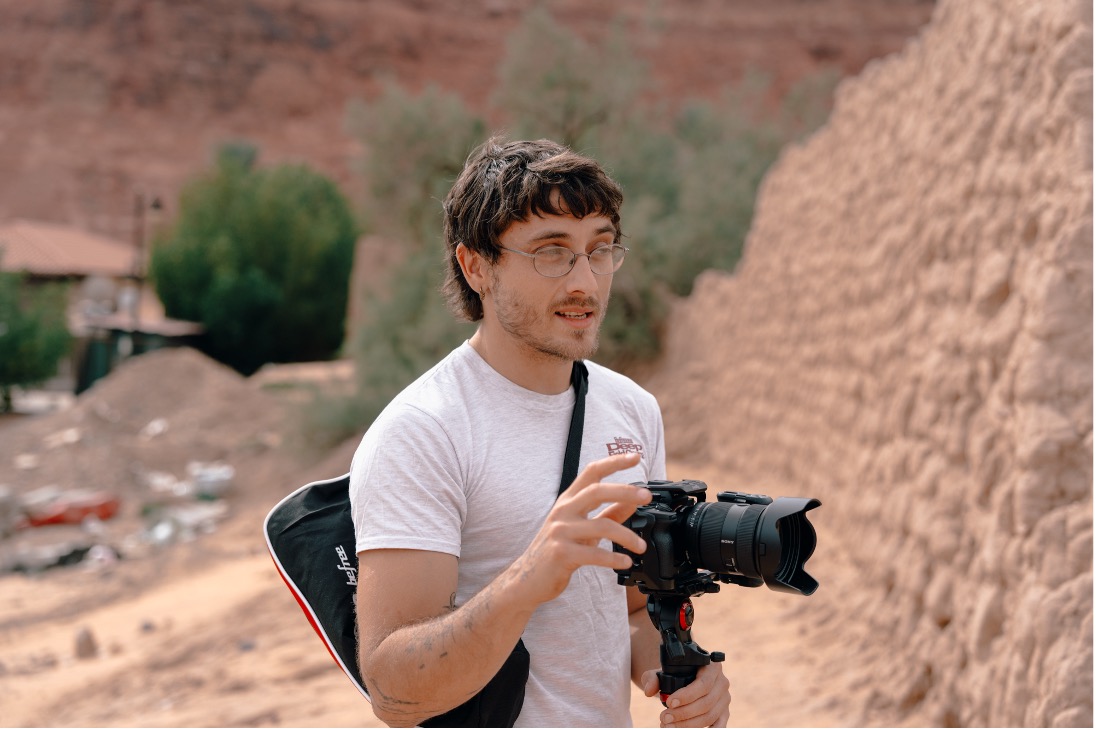
Joel Spring
Joel Spring is a Wiradjuri interdisciplinary artist, based in Sydney/Gadigal/Wangal lands, working collaboratively on projects that examine ways of seeing Country through technology and desires for Indigeneity. His current work confronts and channels both the desire for land and minerals at the core of our national identity and what today appear as progressive identity formations.
Exploring the potential of Indigenous materialist readings of art and architecture towards repatriation, reparation, and return of land, Joel is learning how to employ art making, exhibition making, publishing and pedagogy within what is recognised as black or Indigenous studies.
Related
Thu, 9 April 2026
6:00PM
Vision Machines: Models
Machine Listening, Christopher O'Neill, Elizabeth Stephens, and Thomas Smith
Thu, 14 May 2026
6:00PM
Vision Machines: Ensembles
André Dao, Thao Phan, Gary Foley, Junior Major, and Worlds Only