Vision Machines: Ensembles
The third event in our series on the way technology is changing what it means to see, co-presented with the Museum of Contemporary Art Australia. This session explores the forces that vision machines serve, and how to resist them.
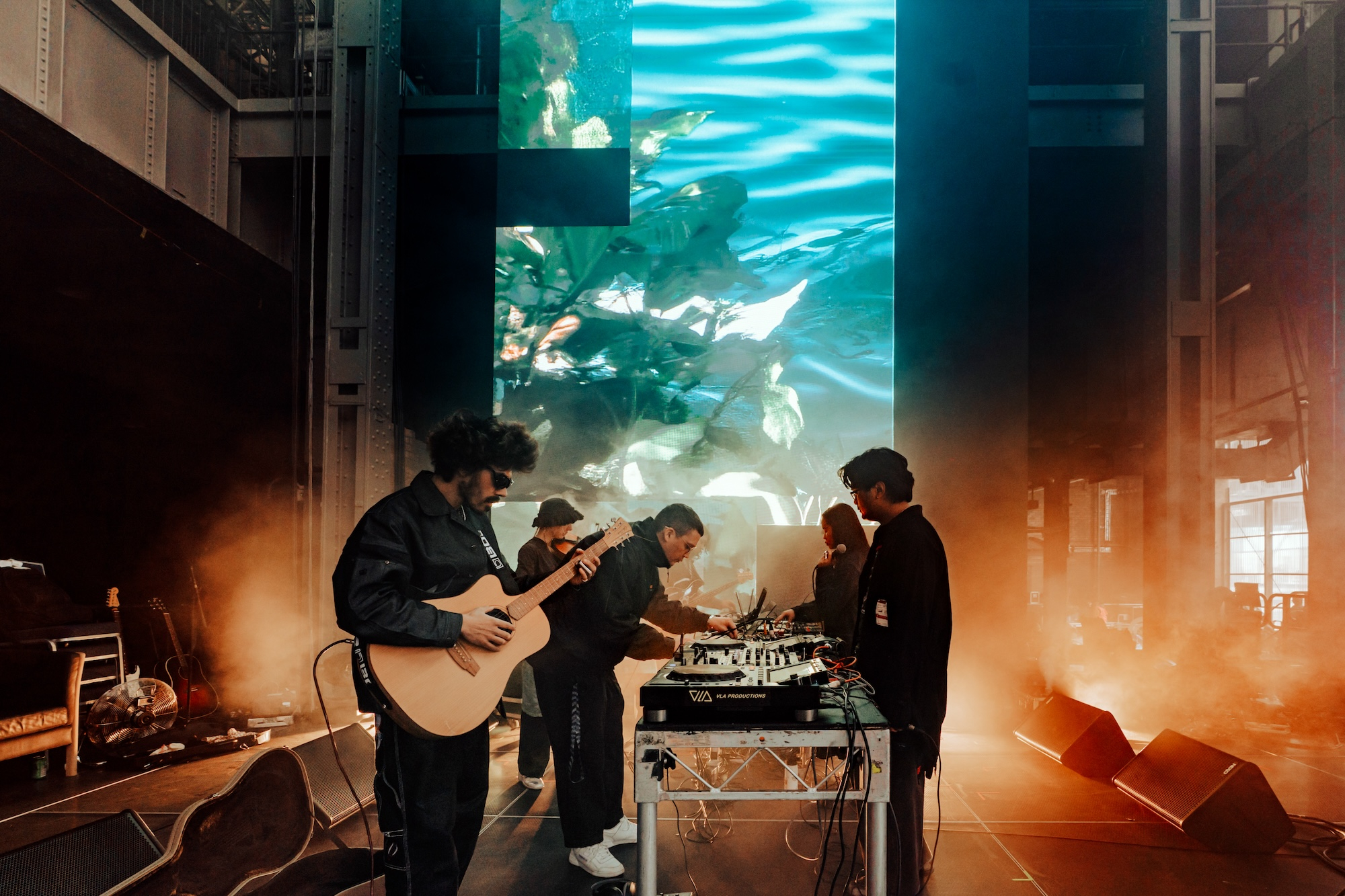
Worlds Only performing live at Soft Centre 2025. Photograph: Ravyna Jassani.
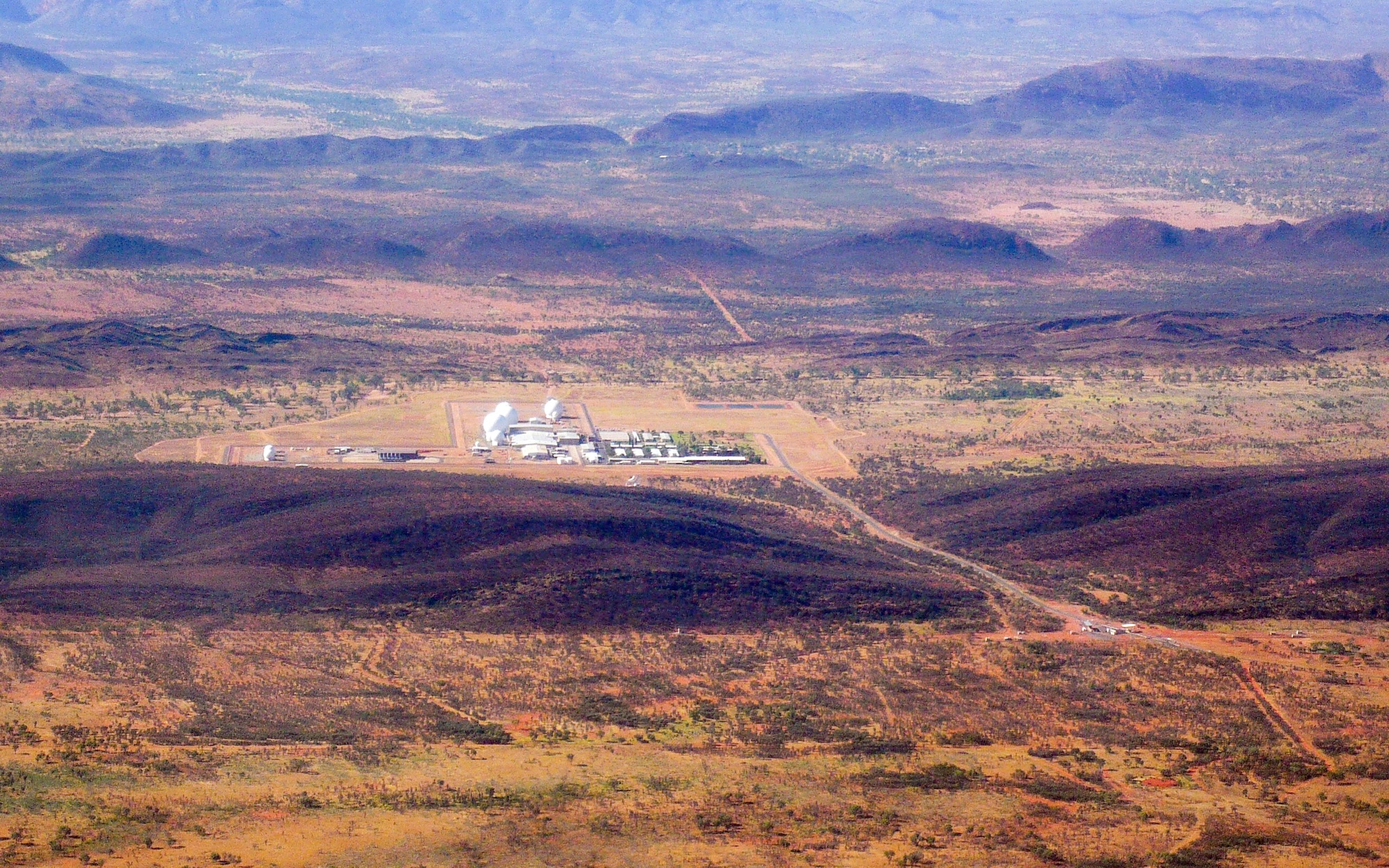
Vision machines are not neutral. They are always part of larger ensembles—groupings of people, infrastructure and ideas that often work to reinforce norms and conditions of unfreedom. To resist these ensembles—and the vision machines that serve them—we need to create new assemblages of people, places and machines.
This event is part of Vision Machines, a series convened by Andrew Brooks and Nick Croggon, co-presented by the Power Institute and the Museum of Contemporary Art Australia, as part of the Visual Research Program, a multi-year collaborative partnership between the MCA Australia and the Power Institute which aims to explore and showcase new ways of conducting research on contemporary art and visual culture.
Visit the Vision Machines website for tickets and more information
People
André Dao
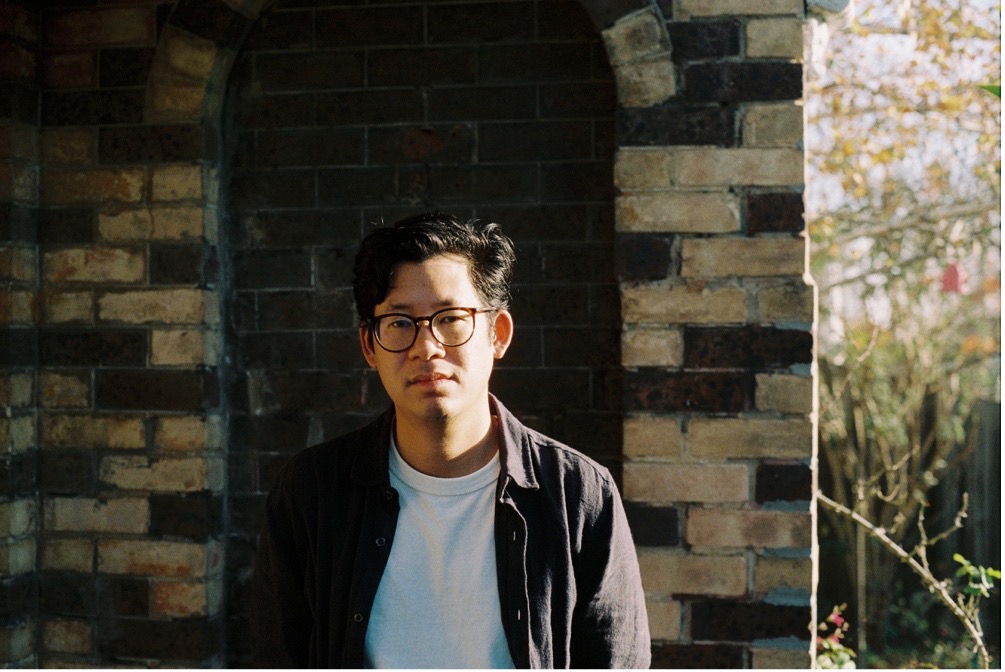
Dr André Dao is a postdoctoral research fellow with the Laureate Program in Global Corporations and International Law at the Melbourne Law School. He is the author of an academic monograph, Human rights for the data society: Big Tech, the UN and the datafication of rights (CUP, 2026). His debut novel, Anam, won the Prime Minister’s Literary Award for Fiction, the NSW Premier’s Literary Award for New Writing, and was shortlisted for the Miles Franklin Literary Award and the Voss Literary Award.
André was awarded the 2024 Pascall Prize for Cultural Criticism for essays published in The Saturday Paper, Meanjin and Liminal. He is the co-founder of Behind the Wire, the award-winning oral history project documenting the stories of the adults and children who have been detained by the Australian government after seeking asylum in Australia.
Thao Phan
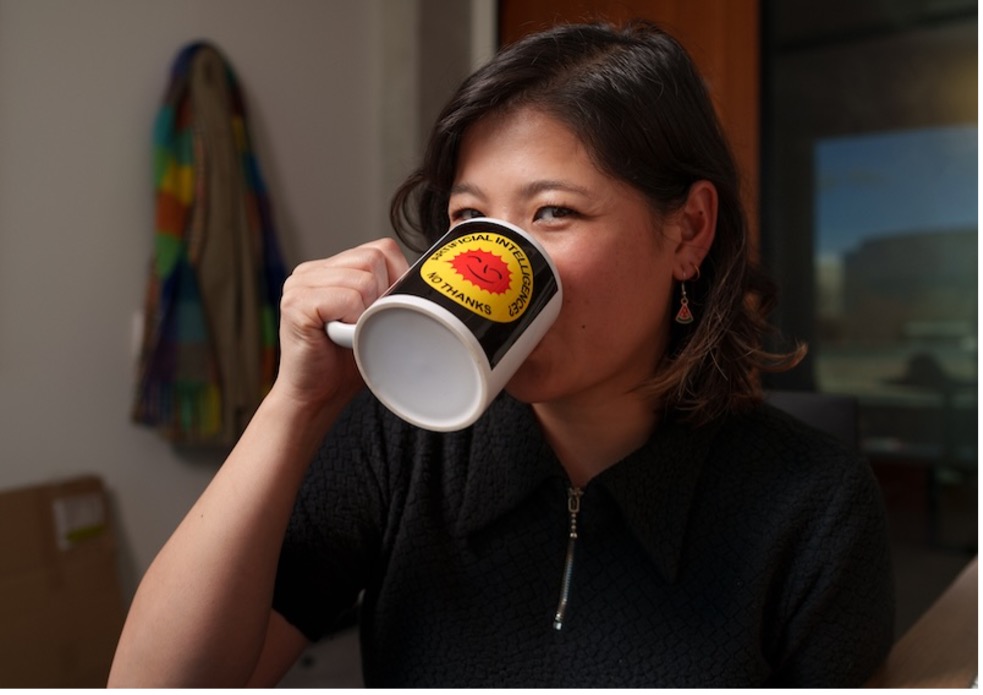
Thao Phan is a feminist science and technology studies (STS) researcher who specialises in the study of gender and race in algorithmic culture. She is a DECRA Fellow and Lecturer in Sociology at the Australian National University (ANU). Thao has published on topics including whiteness and the aesthetics of AI, big-data-driven techniques of racial classification, and the commercial capture of AI ethics research.
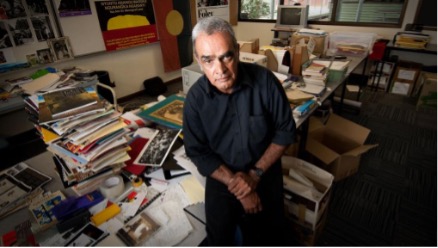
Gary Foley
Gary Foley is teacher and Supervisor at Victoria University as well as the Director of the Aboriginal History Archive. A Gumbainggir man, Gary Foley was born in Grafton, northern NSW. After being expelled from school aged 15, Foley moved to Sydney as an apprentice draughtsperson. Since then, he has been at the centre of major political activities including the Springbok tour demonstrations (1971), Aboriginal Tent Embassy in Canberra (1972) and Commonwealth Games protests (1982) among many others.
Foley was involved in the establishment of the first Aboriginal self-help and survival organisations including: Redfern’s Aboriginal Legal Service, the Victorian Aboriginal Health Service, and the National Black Theatre. In 1974 he was part of an Aboriginal delegation that toured China and in 1978 he took films on Black Australia to the Cannes Film festival.
Having a keen awareness of the power of media in advancing the rights of Aboriginal peoples, Foley has appeared in various films including Backroads (1977), in which he had a hand in writing his dialogue to achieve an accurate depiction of the Aboriginal struggle at the time.
Throughout his working life Foley has been director of the Victorian Aboriginal Health Service (1981), Aboriginal Arts Board (1983-86) and Aboriginal Medical Service Redfern (1988). Other career highlights include his role as a senior lecturer at Swinburne College and The University of Melbourne, a consultant to the Royal Commission into Black Deaths in Custody (1988), a board member of the Aboriginal Legal Service (Redfern) and national executive of the National Coalition of Aboriginal Organisations.
In 1994 Foley created the first Aboriginal owned and operated website when he created the Koori History website, which remains one of the most comprehensive Aboriginal education resources available today online.
Foley conducted his postgraduate studies later in life completing a PhD in History at the University of Melbourne in 2012, for which he received a Chancellor’s medal. Foley has been at Victoria University since 2008 as a professor in History, a PhD supervisor and the director of the Aboriginal History Archive. Housed at Victoria University’s Moondani Balluk Indigenous Academic Unit this archive contains a wealth of unique primary source history materials relating to the struggle for Aboriginal rights in Australia constituting over 80,000 items and growing.
Foley has received numerous awards for his tireless work advancing the rights of Aboriginal peoples. These include the Australia Council’s Red Ochre Award (2015), the Jerusalem (Al Quds) Peace Prize for advocacy work (2021), and Fellow of the Australian Academy of the Humanities (2024).
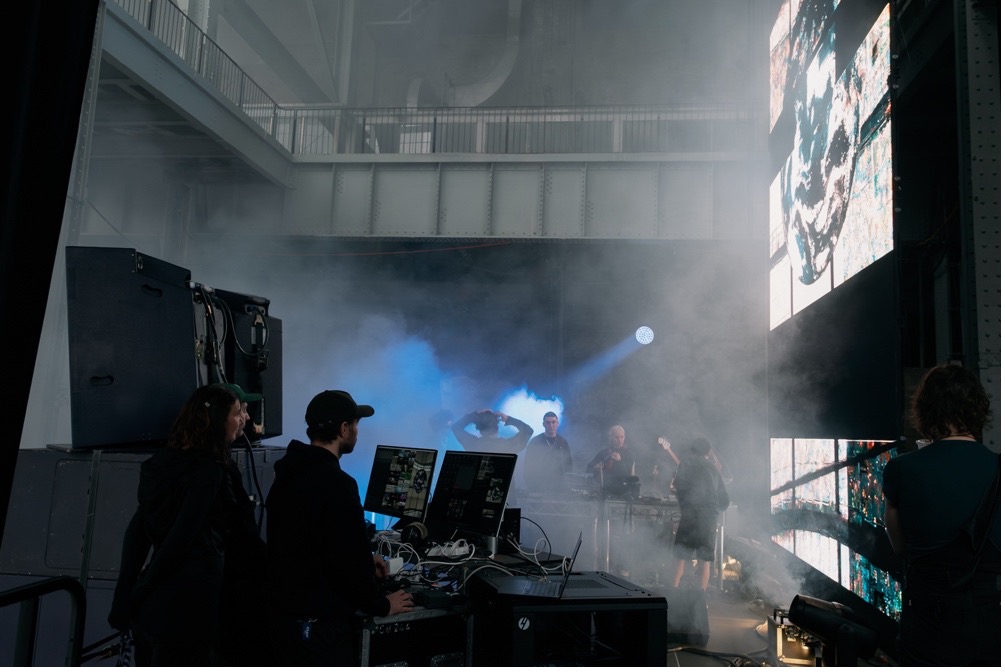
Junior Major
Junior Major is a collective of artists and technologists who make and merge digital and physical worlds. Founded in 2022 by Shunji Davies, Claire Evans, and Tom Siddall, Junior Major’s practice sits at the intersection of art and technology, creating experiences that challenge perception and invite reflection.
Credit: Aristo Risi
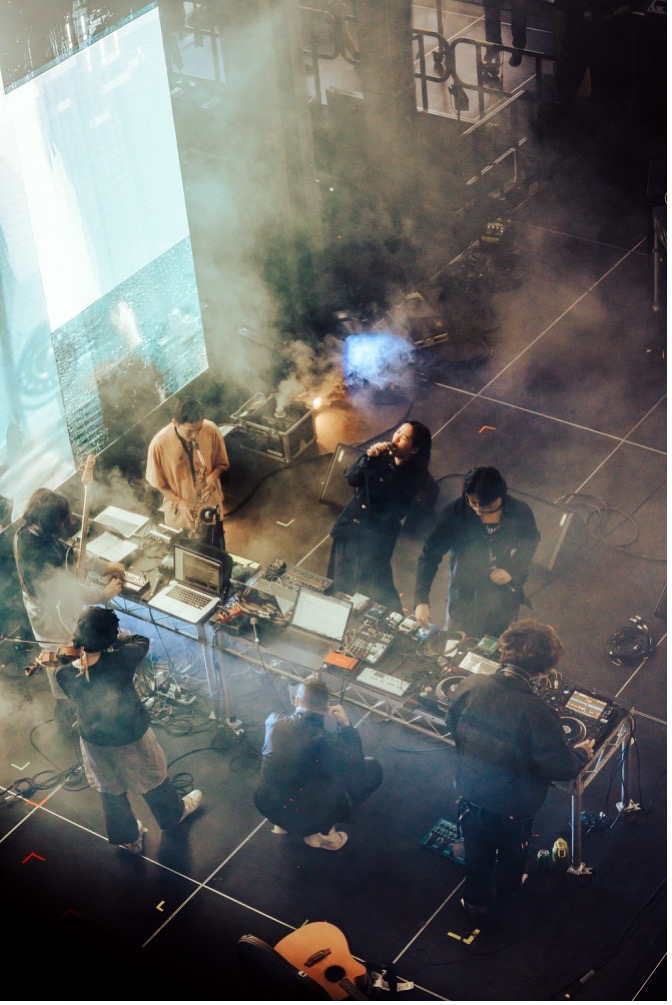
Worlds Only
Worlds Only is Alister Hill (guitar), Darren Lesaguis (vocals), Jenny Trinh AKA Wytchings (electronics/vocals), Justin Tam (saxophone), Mara Schwerdtfeger (viola), Reginald Harris (bass) and Thomas William Smith AKA T. Morimoto (electronics). It is named after Megan Alice Clune’s short-lived yet seminal zine World’s Only, which explored the intersection of classical music, experimental subgenres and the indie ethos. The septet explores intertwining instrumentation, internal worlds and the distortion of time, a collaborative practice focused on site-specific musical works that only exists in the liminal space that happens with live improvisation.
Drawing from four decades of experience and their respective practices – from performing at major institutions like the ICA London, Sydney Opera House and the Red Rattler, creating influential labels and collectives (Eternal Dragonz, Sumac, Serial Space) and collaborating across the full spectrum of contemporary music spanning trance to drill and slowcore rock, Worlds Only is a shape-shifting entity based in Sydney and Barcelona that embraces a collectivist philosophy where each lineup is fluid, and studio recordings are foregone in favour of live documentation that captures the personal and the incendiary.
Their debut album Courage to Detour and Patience to Wait was released exclusively on The Internet Archive, selected as the premiere digital distribution network that’s home to classics such as the DJ Screw mixology and Collarbones Waiting for the Ghosts. The album was recorded live at Phoenix Central Park, where they debuted as a collective, and later released on Bandcamp and YouTube with a live film directed by artist Sophie Penkethman-Young.
Since then, Worlds Only have undertaken a performance and recording residency at Dark Mofo and MONA, been commissioned by Soft Centre Festival, appeared at ACMI FACT Festival, and performed a live film score for the influential cult film Limité curated by the Art Gallery NSW. They are nominated for two SMAC Awards for best album and best live act by Sydney’s station, FBi Radio.
Their next album Would you leave yourself was released on Monday 9 February, exclusively on The Internet Archive, Bandcamp and Nina Protocol, with evil streamers maybe later.
Related
Thu, 9 April 2026
6:00PM
Vision Machines: Models
Thu, 12 March 2026
6:00PM
Vision Machines: Operations