
Visual Research Program
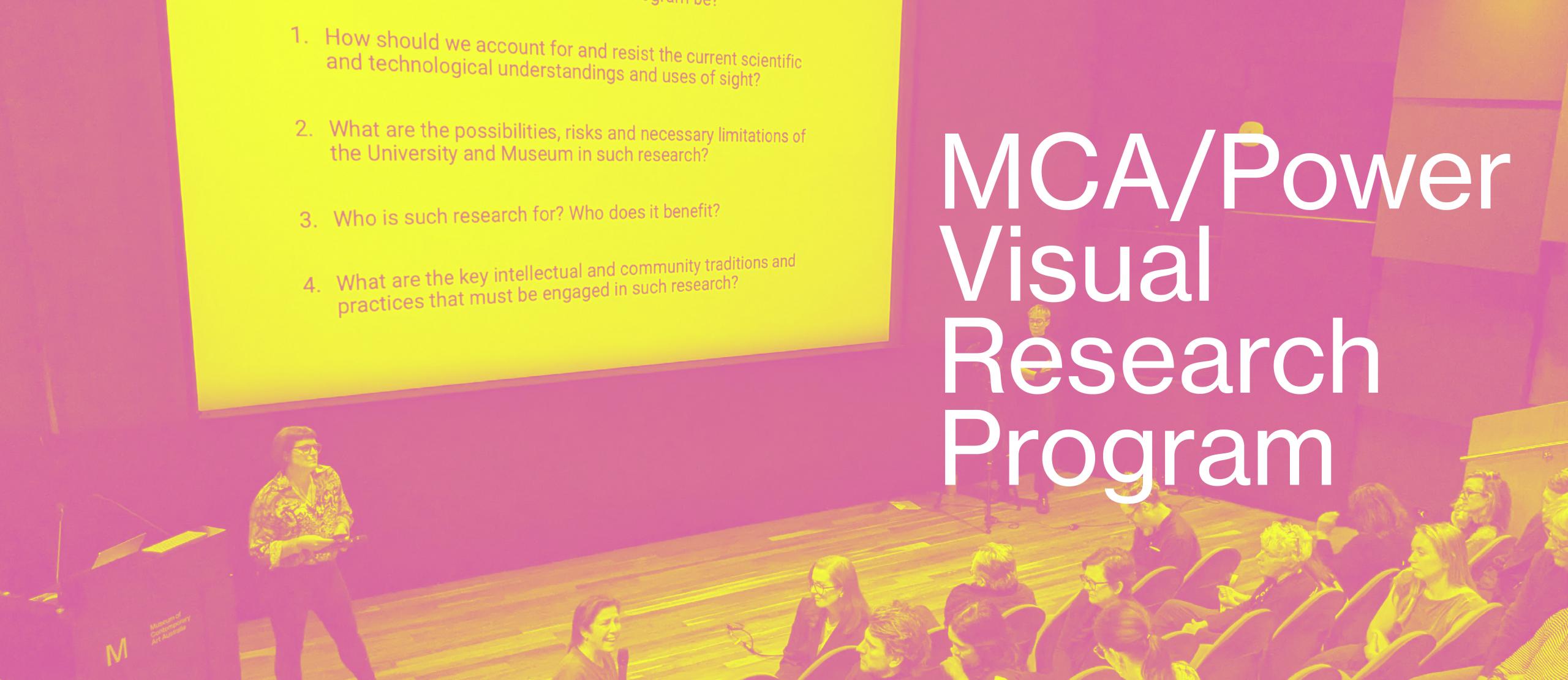
A program about new ways of conducting and sharing research on contemporary art and visual culture, between the University and the Museum.
Visions forum, 15-17 August 2024.
The VRP is a three-year collaborative partnership between the MCA Australia and the Power Institute which aims to explore and showcase new ways of conducting research on contemporary art and visual culture.
Announced in June 2023, the VRP is the product of conversations between MCA Australia’s Suzanne Cotter and Lara Strongman, and Power Director Mark Ledbury, and represents a reunion of two organisations that have a shared history.
The VRP will involve discrete research projects focused on the science and technology of vision, the visual culture of the Pacific region, and the concept of custodianship. The research projects will bring together experts from within the Museum and the University, and will produce a range of outputs for different audiences: public events, publications and digital offerings.
Events
Past
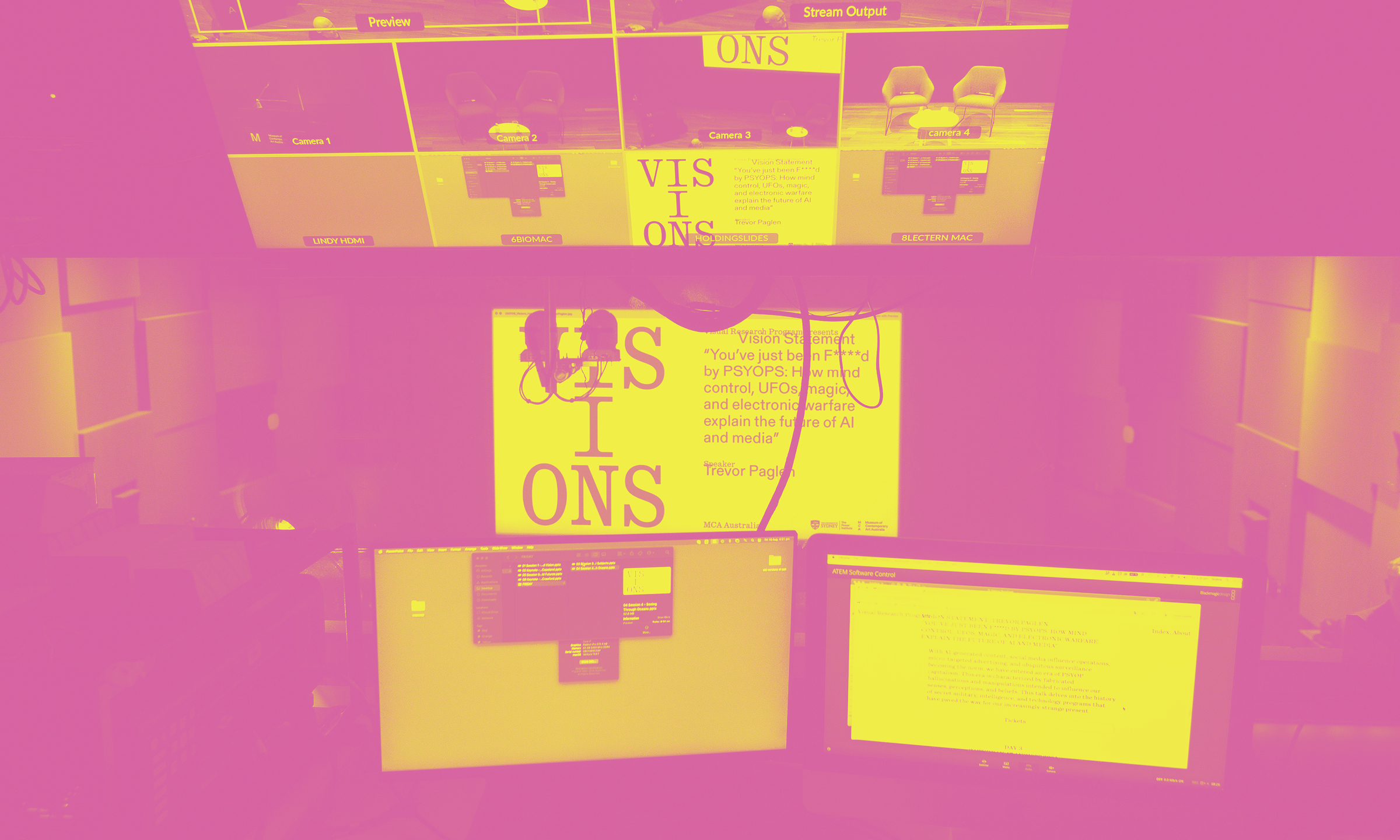
A forum on the contemporary art, science and politics of seeing.
Unnatural relations: Queer abstraction and the intercourse of forms in contemporary art
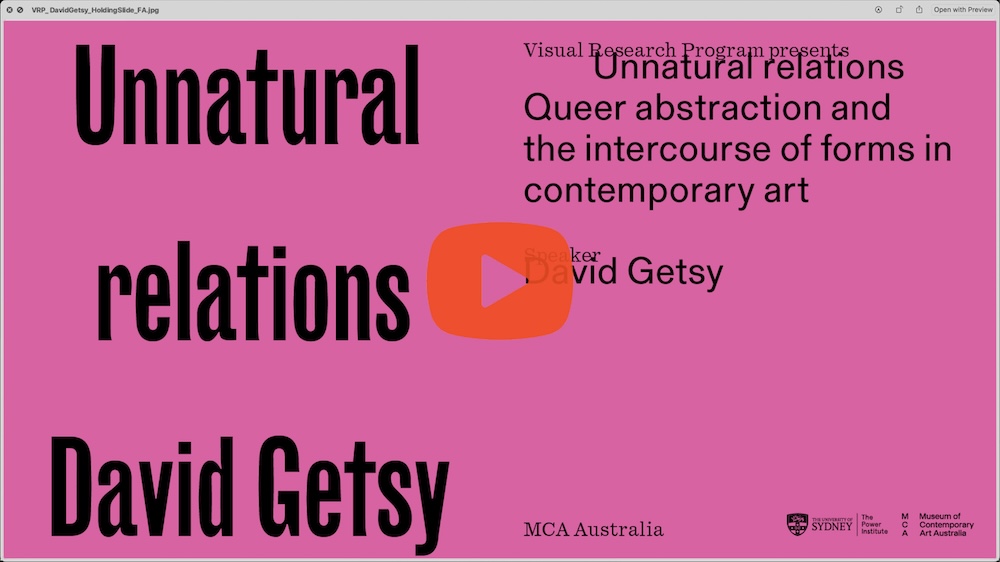
A lecture by David Getsy, one of the US's foremost thinkers of the relationships between art, performance and queer studies.
People
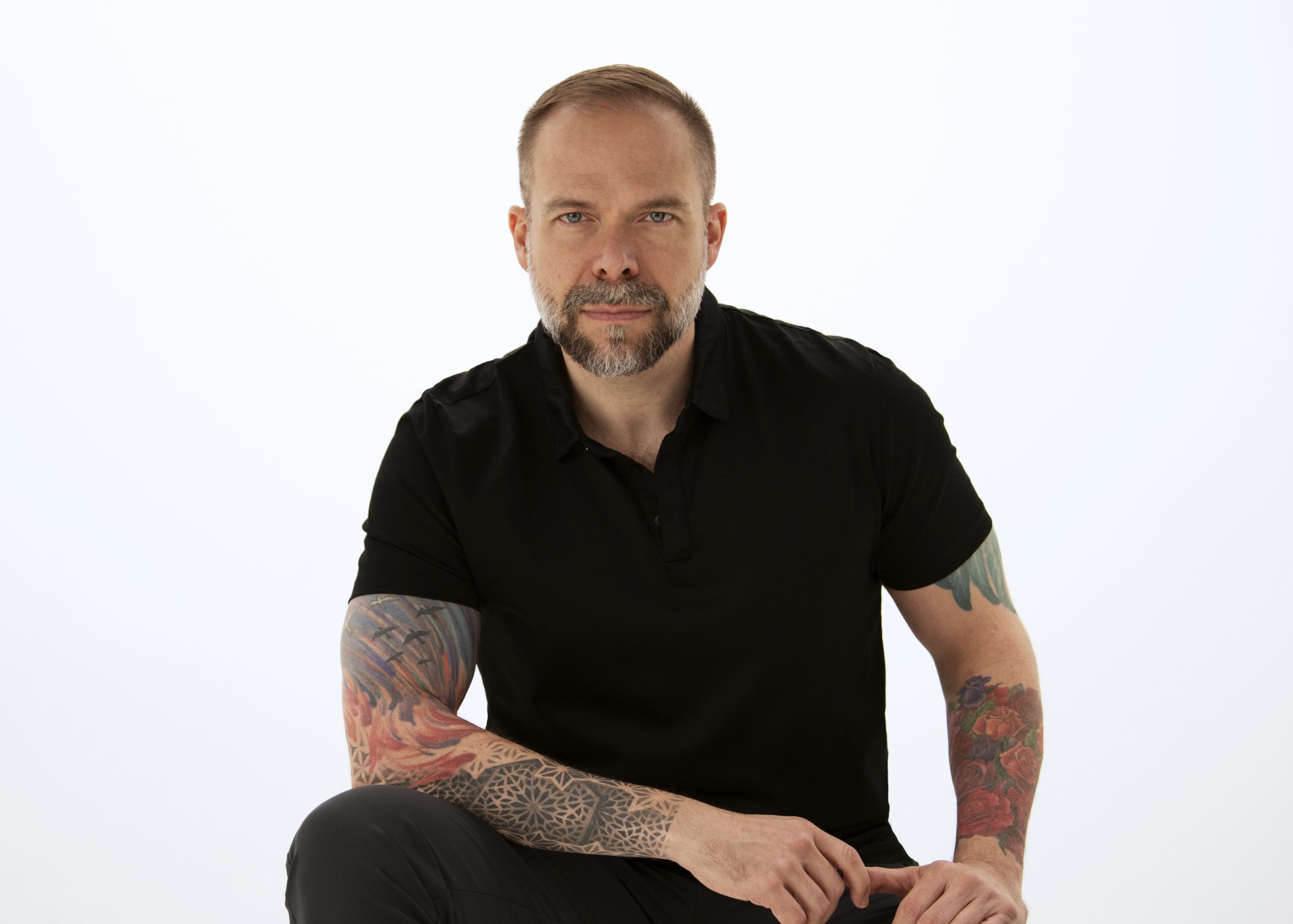
David J. Getsy
David J. Getsy writes to recover the queer and transgender capacities that have been lost or suppressed in histories of art and performance. His areas of research and teaching span modern and contemporary art and culture from the nineteenth century to the present, with a focus on queer and transgender histories and methods. He has published eight books, including Queer Behavior: Scott Burton and Performance Art (Chicago 2022; winner of the Robert Motherwell Book Award in 2023); Abstract Bodies: Sixties Sculpture in the Expanded Field of Gender (Yale 2015; reissued in paperback 2023); and the widely-read anthology of artists’ writings Queer (MIT 2016; multiple reprintings).
Getsy is the inaugural Eleanor Shea Professor of Art History at the University of Virginia. He studied at Oberlin College (B.A. Hons, 1995) and Northwestern University (M.A., Ph.D., 2002). His fellowships and awards include those from the Dedalus Foundation, the Terra Foundation, the Center for Advanced Study in the Visual Arts, the Clark Art Institute, the Graham Foundation for Advanced Studies in the Fine Arts, the Getty Foundation, Dartmouth College, the Andrew Mellon Foundation, and the Kress Foundation. In 2023, he received a university-wide Award for Excellence in the Arts and Humanities from the University of Virginia. He previously taught at the School of the Art Institute of Chicago from 2005 to 2021 and was, from 2011 onwards, the Goldabelle McComb Finn Distinguished Professor of Art History and, since 2022, Professor Emeritus.
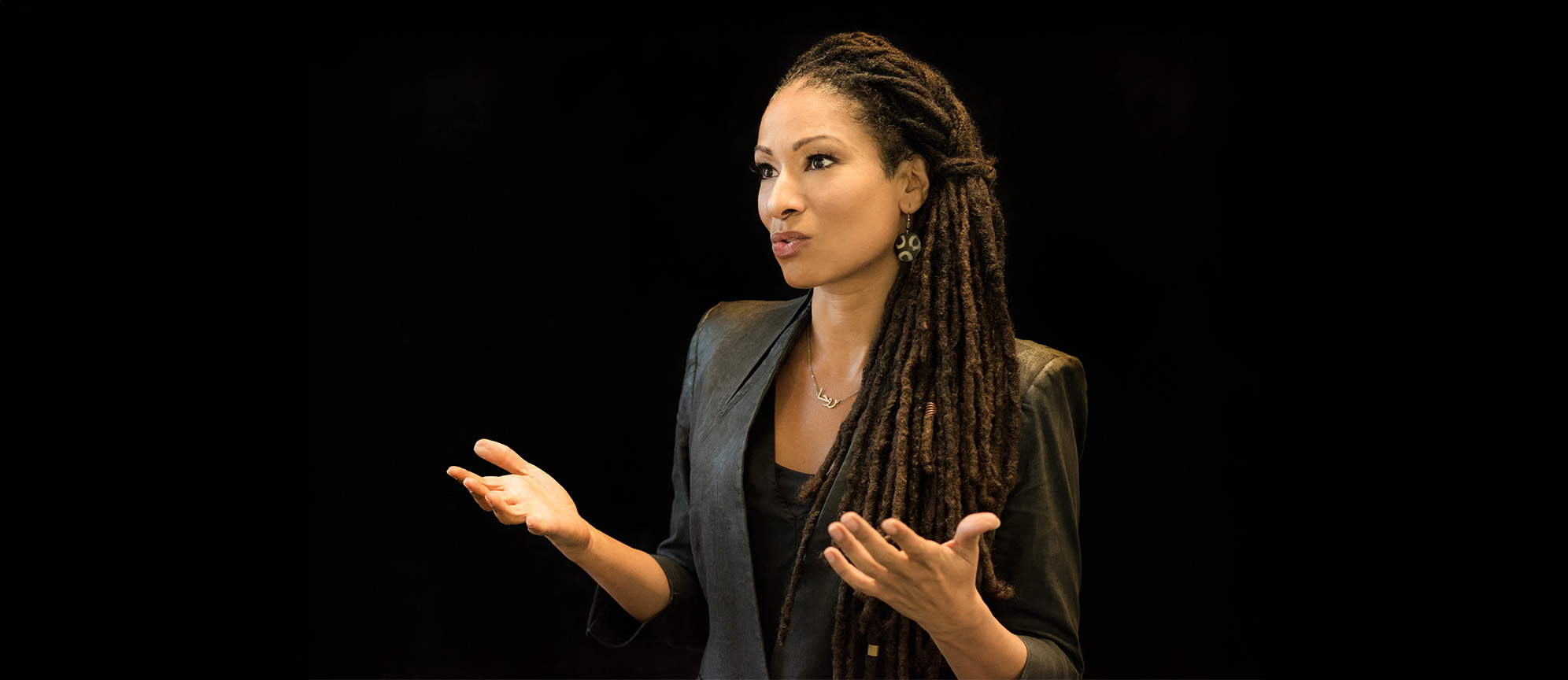
Dystopia, Utopia, or … UStopia? From Artificial Intelligence to Abundant Imagination
A lecture on the role of imagination in transforming the oppressive status quo, with an introduction by Andrew Brooks.
People
Ruha Benjamin
Ruha Benjamin is Alexander Stewart 1886 Professor of African American Studies at Princeton University, founding director of the Ida B. Wells Just Data Lab, and award-winning author of Race After Technology: Abolitionist Tools for the New Jim Code (2019), Viral Justice: How We Grow the World We Want (2022), and Imagination: A Manifesto (2024). Ruha is the recipient fellowships and awards from the American Council of Learned Societies, National Science Foundation, Marguerite Casey Foundation Freedom Scholar Award, President’s Award for Distinguished Teaching at Princeton, and most recently the MacArthur Foundation “Genius” Fellowship. For more info, visit ruhabenjamin.com
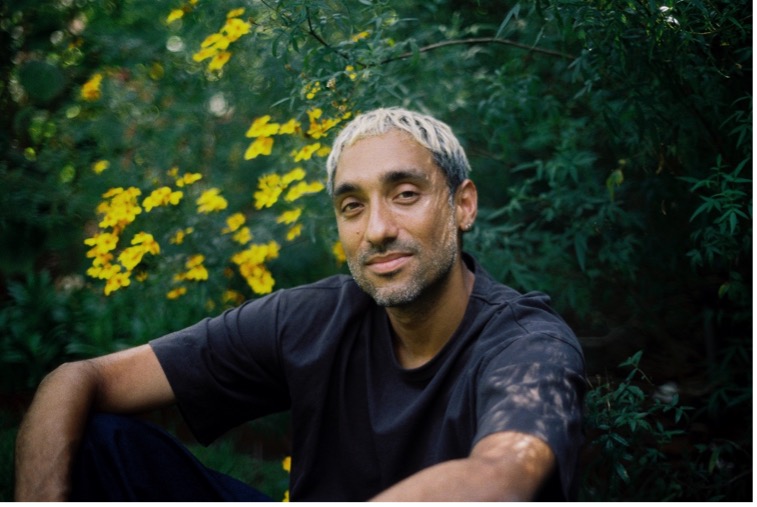
Andrew Brooks
Andrew Brooks is a Lecturer in Media and Cultures at UNSW whose work investigates policing and abolition, technology and social movements, race and anti-racism. He is a co-director of the UNSW Media Futures Hub, a founding member of the Infrastructural Inequalities research network, a co-editor of the publishing collective Rosa Press, and one half of the critical art collective Snack Syndicate. He is the author of Year of the Ox (Cordite Books), Inferno (Rosa), and the co-author of Homework (Discipline).

Julie Mehretu at the Precipice of the World: Line, Blur, Colour, Pixel
Join curator and scholar Dr Adrienne Edwards for a talk on the work of Julie Mehretu, one of America's most celebrated abstract painters.
People
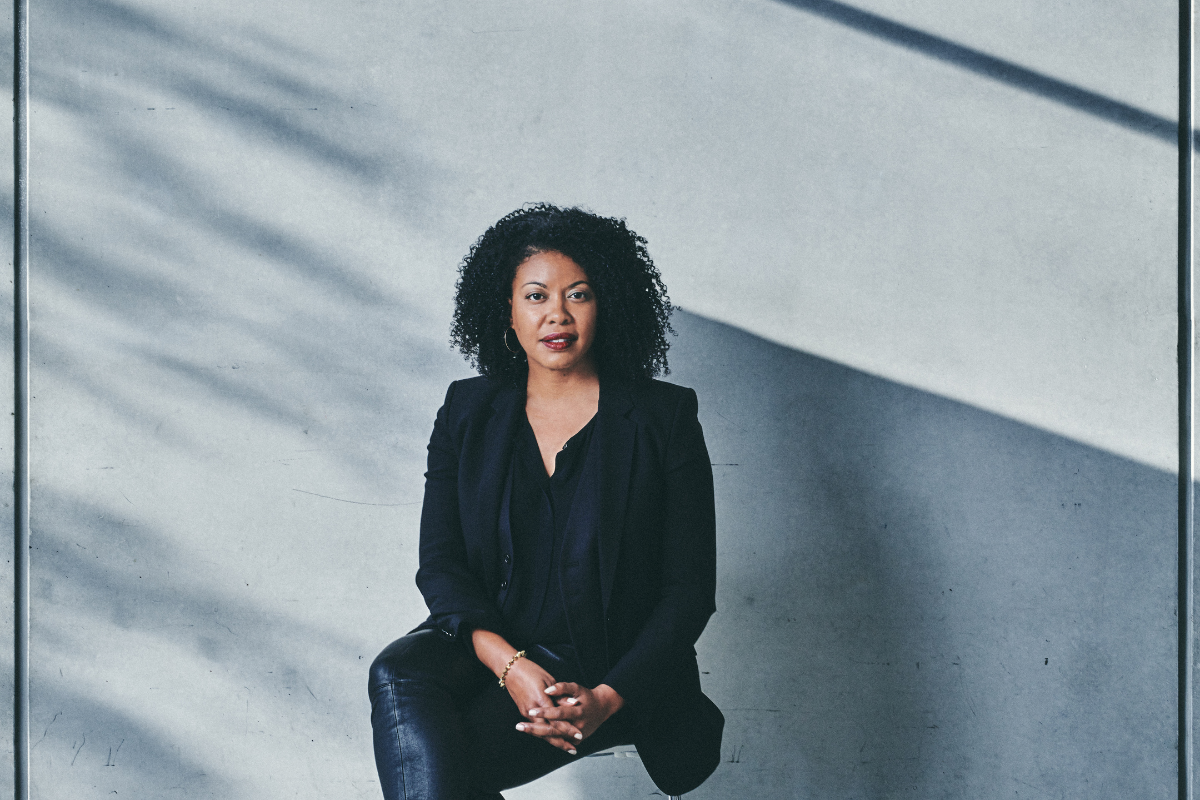
Adrienne Edwards
Dr Adrienne Edwards is the Engell Speyer Family Senior Curator and Associate Director of Curatorial Programs at the Whitney Museum of American Art, where she has been a curator since 2018. From 2021–2024 she also served as the Whitney’s Director of Curatorial Affairs, co-curated Whitney Biennial 2022: Quiet as It’s Kept and enhanced the strength and vitality of the Museum's performance program. She holds a Ph.D. in Performance Studies from New York University.
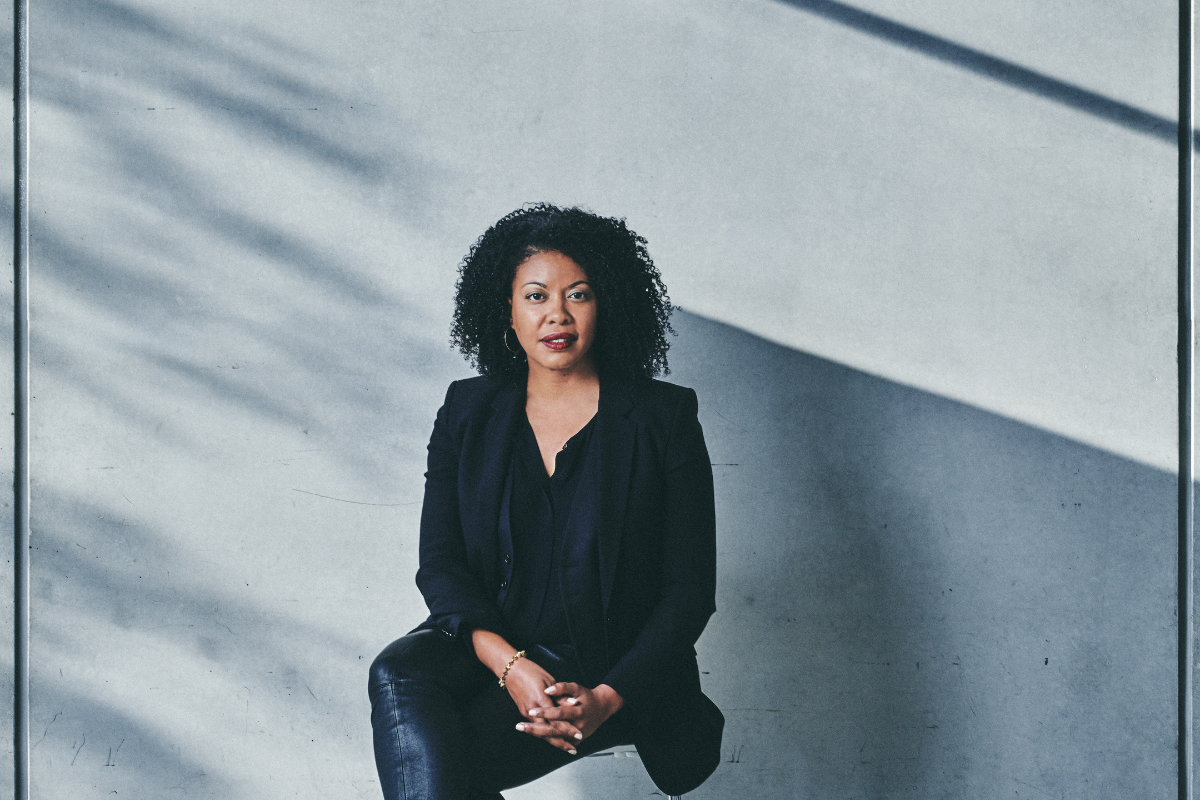
A conversation with curator, scholar and writer Dr Adrienne Edwards.
People
Adrienne Edwards
Dr Adrienne Edwards is the Engell Speyer Family Senior Curator and Associate Director of Curatorial Programs at the Whitney Museum of American Art, where she has been a curator since 2018. From 2021–2024 she also served as the Whitney’s Director of Curatorial Affairs, co-curated Whitney Biennial 2022: Quiet as It’s Kept and enhanced the strength and vitality of the Museum's performance program. She holds a Ph.D. in Performance Studies from New York University.
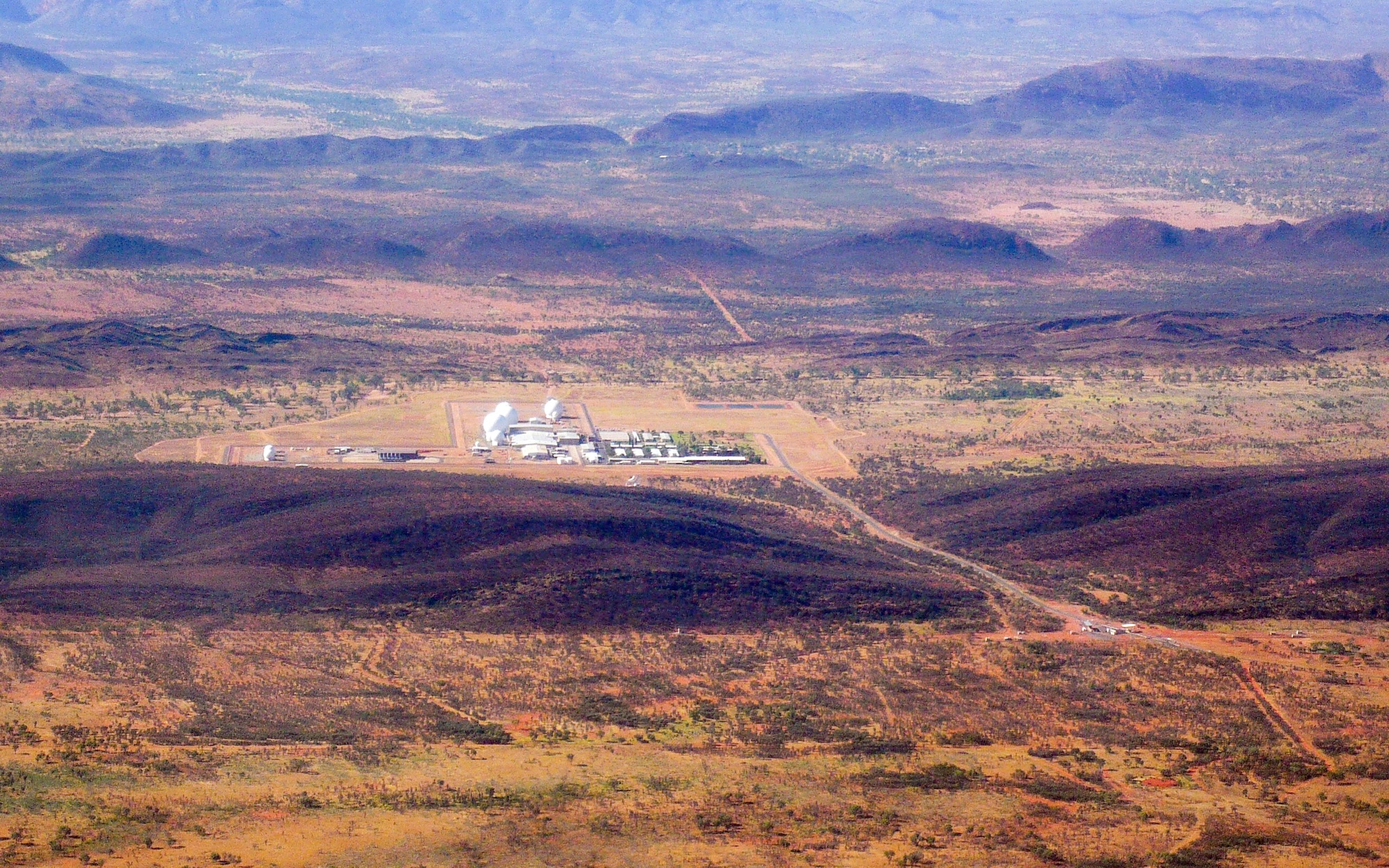
Vision Machines: Operations
The first event in our series on the way technology is changing what it means to see, co-presented with the Museum of Contemporary Art Australia. This session answers the question: What is a vision machine, and what does it do?
People
Anna Munster
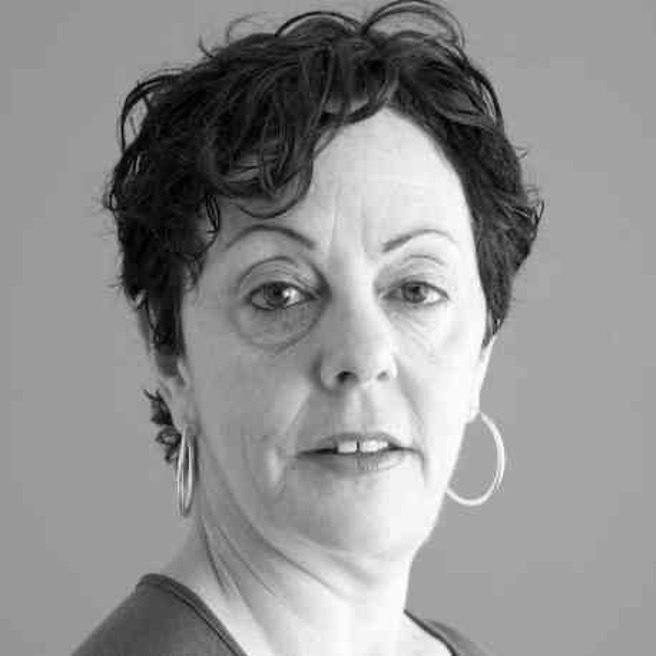
Anna Munster is a Professor of Art and Design at the University of New South Wales, Australia. Her research currently focuses on new ways to theorise machine learning experience, emphasising critical artistic interventions into AI. Her book Deepaesthetics: On Computational Experience in a Time of Machine Learning (Duke, 2025) has won the Anne Friedberg Prize for Innovative Scholarship. She has written An Aesthesia of Networks (MIT, 2013) and Materialising New Media (2006, Dartmouth University). She is a practicing artist working across sound, video, and autonomous systems.

Olga Boichak
Olga Boichak is a Senior Lecturer in Digital Cultures and the Director of the Sydney Social Sciences and Humanities Advanced Research Centre (SSSHARC) at the University of Sydney. She is a Ukrainian-born media scholar researching the role of information and communication technologies in shaping public perception and outcomes of wars. Currently, she is an Australian Research Council DECRA Fellow working on a project that maps colonial topographies of digital sovereignty in Ukraine, as well as chief investigator on a suite of research projects that explore digital and social media in a geopolitical context.
Michael Richardson
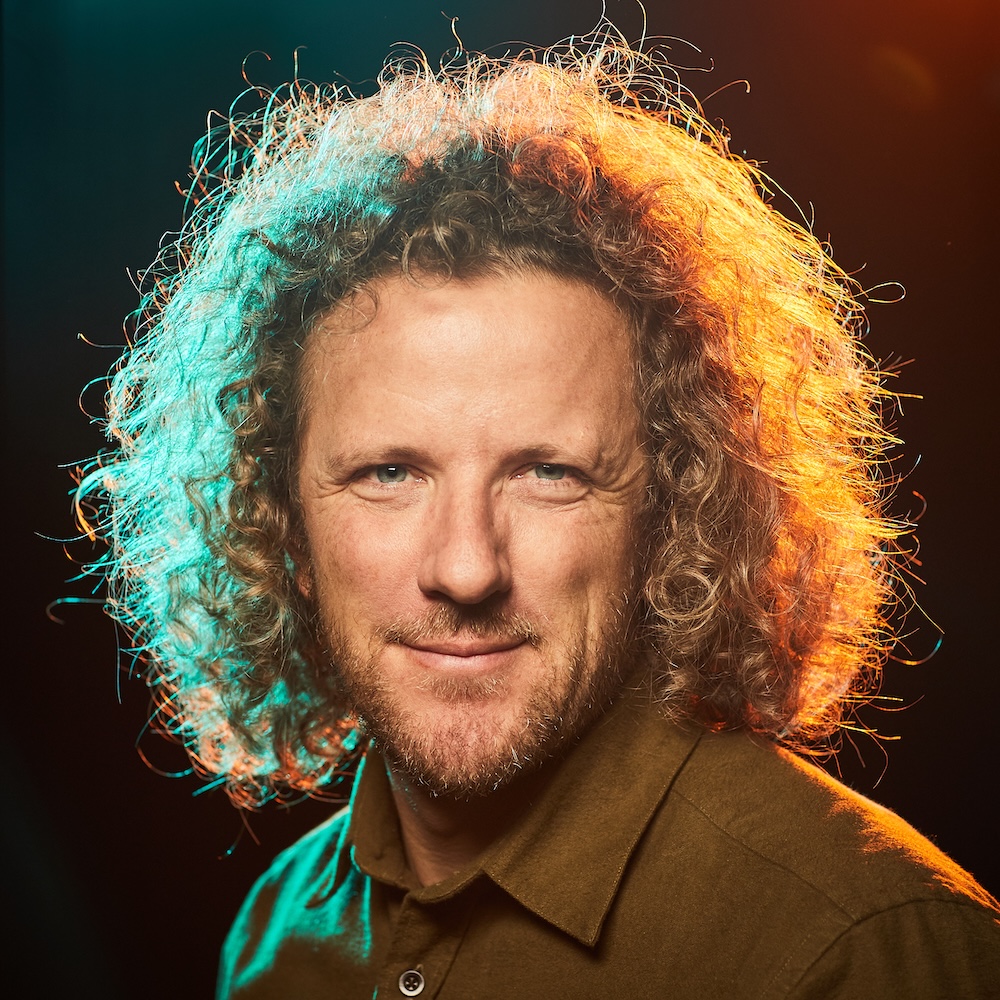
Michael Richardson is a writer, researcher and teacher living and working on Gadigal and Bidjigal country in Sydney, Australia. He is a Professor in Media and Culture at UNSW, where he co-directs the Media Futures Hub and the Autonomous Media Lab, and an Associate Investigator with the ARC Centre of Excellence on Automated Decision-Making + Society. His research examines technology, power, witnessing, trauma, and affect in contexts of war, security, and surveillance. His latest book is Nonhuman Witnessing: War, Data, and Ecology after the End of the World (Duke University Press, 2024).
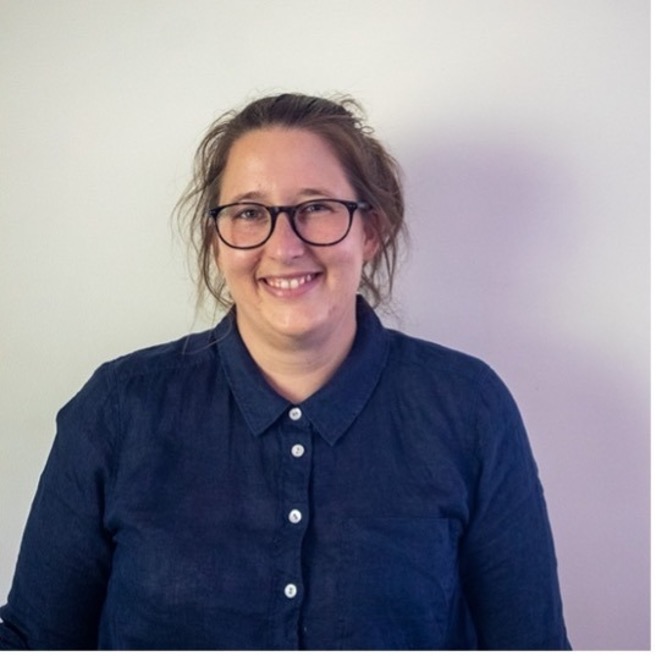
Sian Troath
Sian Troath is an associate lecturer at the University of Wollongong, having formerly worked as a postdoctoral fellow at the Australian National University and Te Whare Wānanga O Waitaha | University of Canterbury. Her research focuses on the political economy and politics of expertise, militarism, emerging weapons technologies, Australian defence and foreign policy, and theories of trust in international relations.
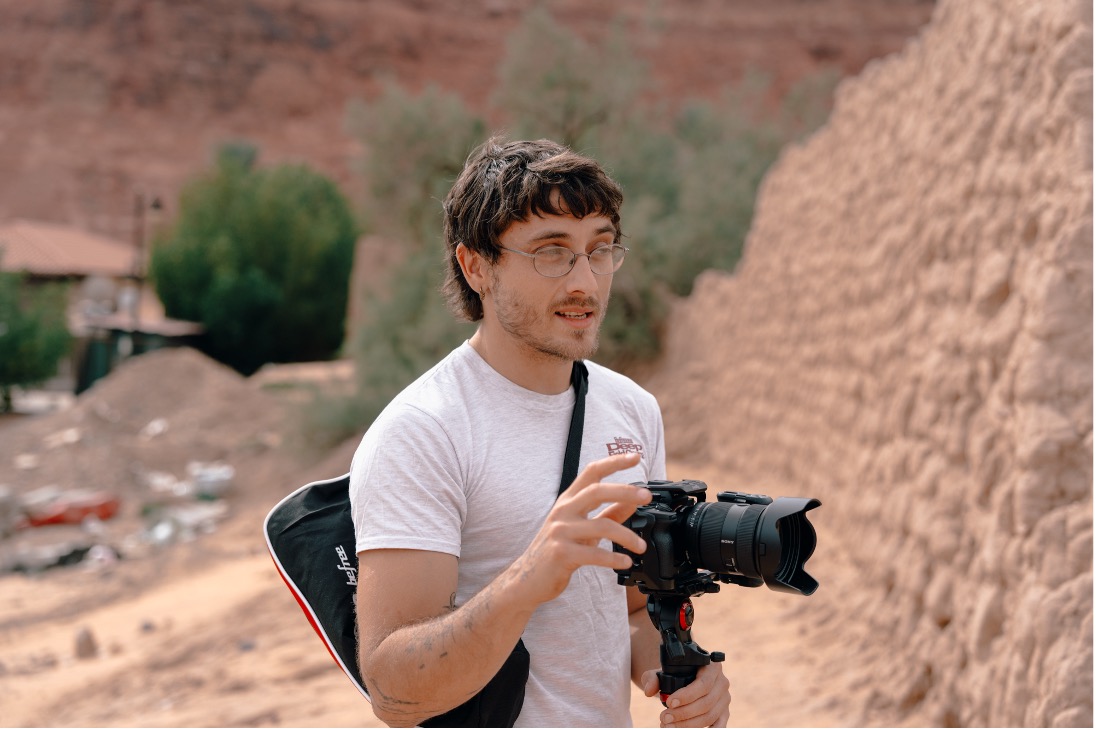
Joel Spring
Joel Spring is a Wiradjuri interdisciplinary artist, based in Sydney/Gadigal/Wangal lands, working collaboratively on projects that examine ways of seeing Country through technology and desires for Indigeneity. His current work confronts and channels both the desire for land and minerals at the core of our national identity and what today appear as progressive identity formations.
Exploring the potential of Indigenous materialist readings of art and architecture towards repatriation, reparation, and return of land, Joel is learning how to employ art making, exhibition making, publishing and pedagogy within what is recognised as black or Indigenous studies.
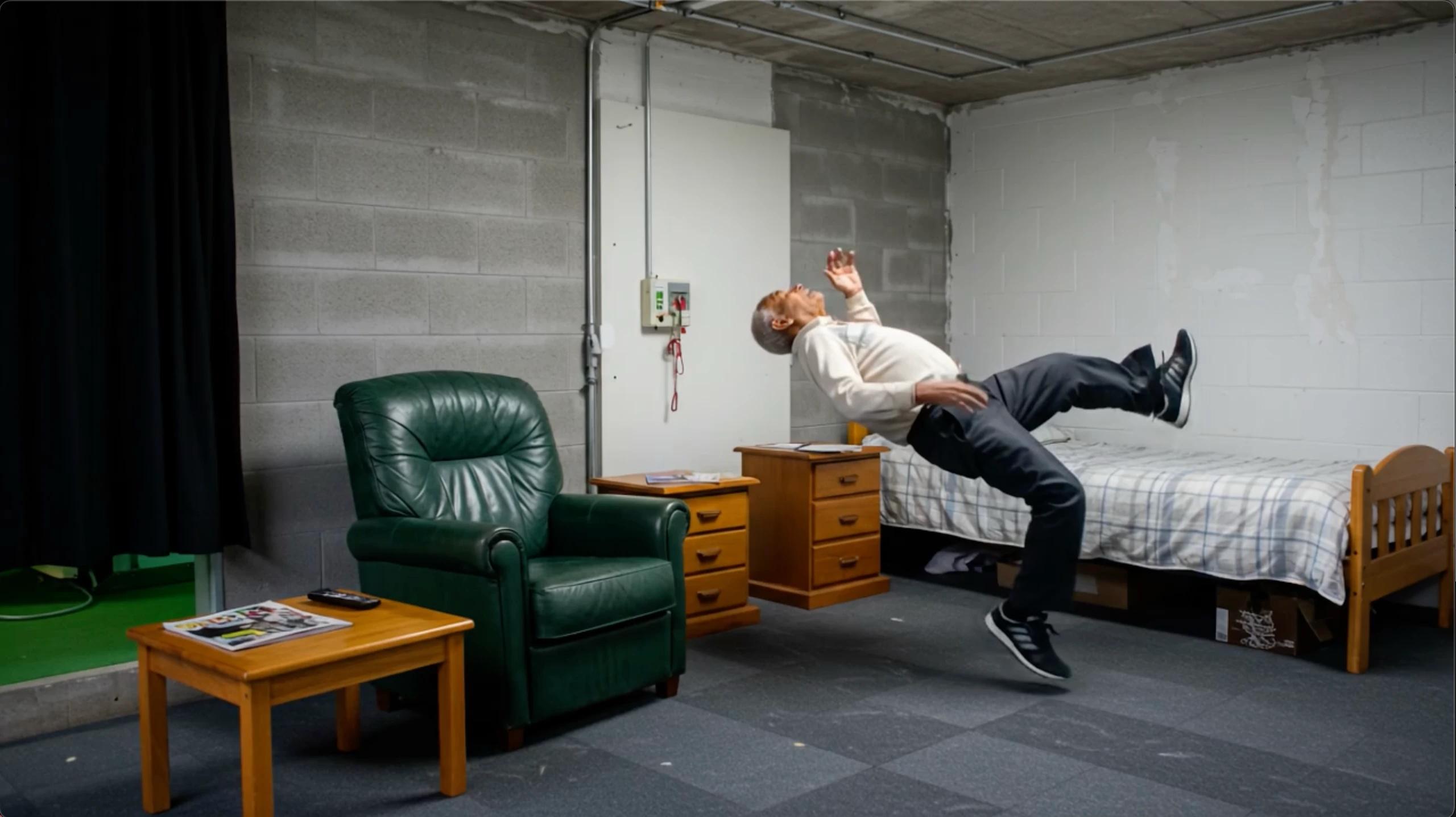
Vision Machines: Models
The second event in our series on the way technology is changing what it means to see, co-presented with the Museum of Contemporary Art Australia. This session explores how vision machines see the world.
People
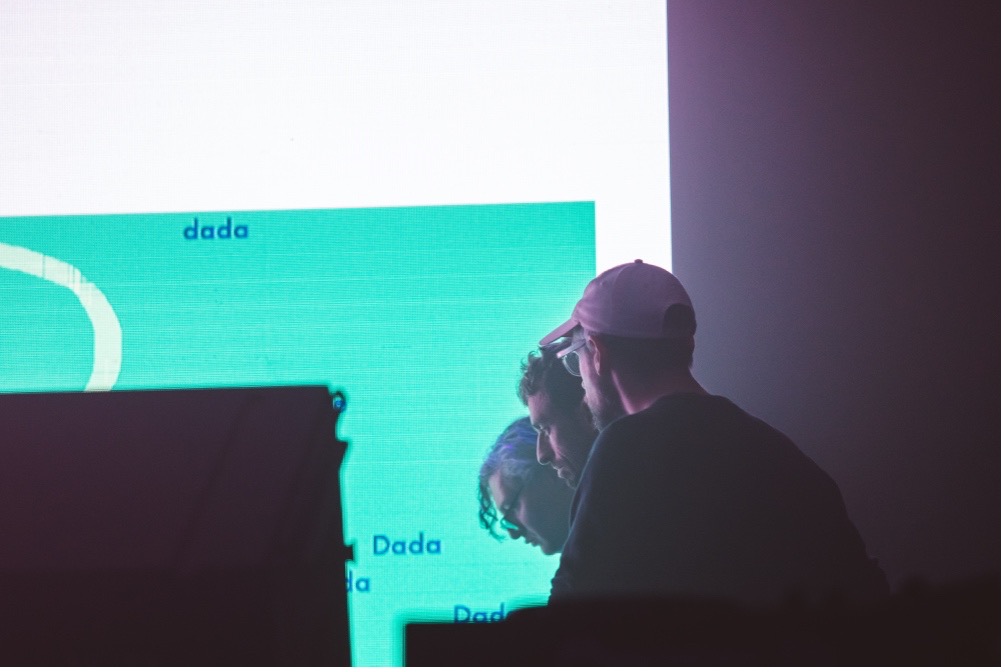
Machine Listening
Machine Listening is a platform for collaborative research and artistic experimentation, founded in 2020 by Sean Dockray, James Parker and Joel Stern in order to subject automated systems to political and aesthetic scrutiny. The collective works across writing, installation, performance, music, software, curation, pedagogy and radio.
Machine Listening has presented work at major institutions including the Australian Centre for Contemporary Art, Cricoteka Tadeusz Kantor Museum (Kraków), Warsaw Museum of Modern Art, Galerie Nord (Berlin), the National Communication Museum, RMIT Design Hub and MUMA, and has performed at Unsound Festival, Soft Centre, and Melbourne Recital Centre, among others.
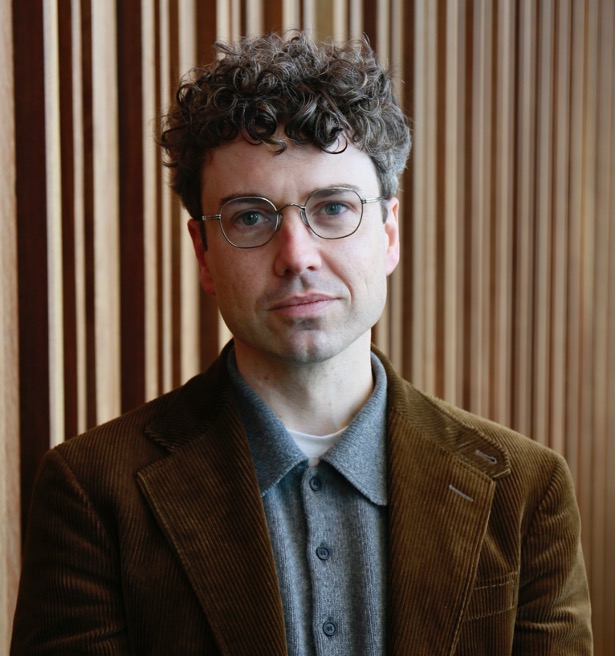
Christopher O'Neill
Christopher O’Neill is a Lecturer in Media at Monash University. His work draws upon critical media theory and science and technology studies (STS) to investigate the technical inscription of the body. His work focuses especially on the relation between error and surveillance in the medical clinic, the workplace, and the (smart) home. His first monograph, Cultural Techniques of Biosensing: A History of the Body in Error, will be published with Stanford University Press in 2026.
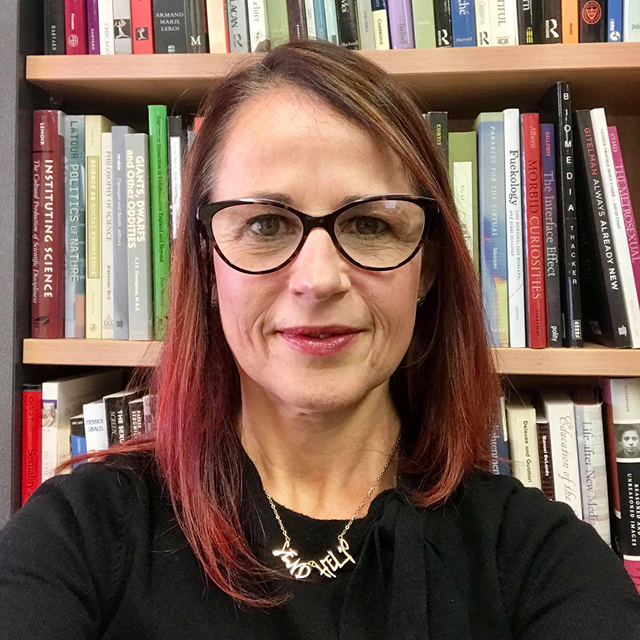
Elizabeth Stephens
Elizabeth Stephens is an Associate Professor of Cultural Studies in the School of Communication and Arts at the University of Queensland. Her background is in gender and sexuality studies, and her current research focuses on popular histories and representations of science, medicine and technology, collaborations between the arts and sciences and the critical medical humanities. Elizabeth is author of over 100 publications, including four books: Artificial Life: The Art of Automating Living Systems (University of Western Australia Press, 2025), co-authored with Oron Catts, Sarah Collins, and Ionat Zurr, A Critical Genealogy of Normality (University of Chicago Press, 2017), co-authored with Peter Cryle; Anatomy as Spectacle: Public Exhibitions of the Body from 1700 to the Present (Liverpool University Press, 2011), and Queer Writing: Homoeroticism in Jean Genet's Fiction (Palgrave 2009).
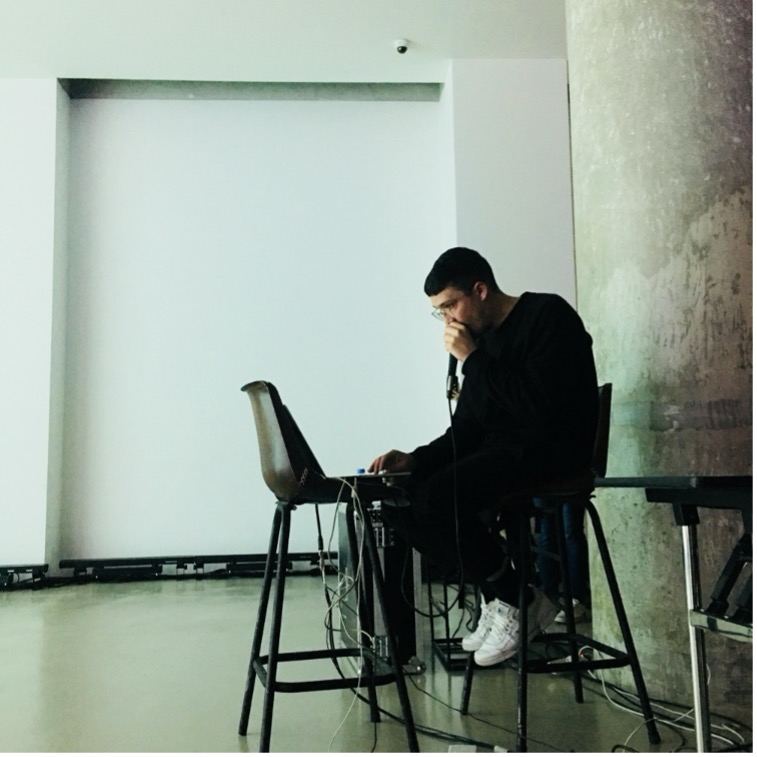
Thomas Smith
Thomas Smith/T.Morimoto is an Eora/Sydney based artist, musician and researcher. His practice combines performance, video, electronic music, speculative fiction, websites, curatorial projects and critical writing. Thomas’ work is concerned with the social effects of computational systems, the politics of creative economies, emerging digital subjectivities and electronic music as a mode critical inquiry. Thomas is a member of the Trackwork label collective alongside Utility, with whom he released the collaborative album Nexus Destiny in 2019. He also runs independent record label Sumac with Jarred Beeler (DJ Plead) and Jon Watts.
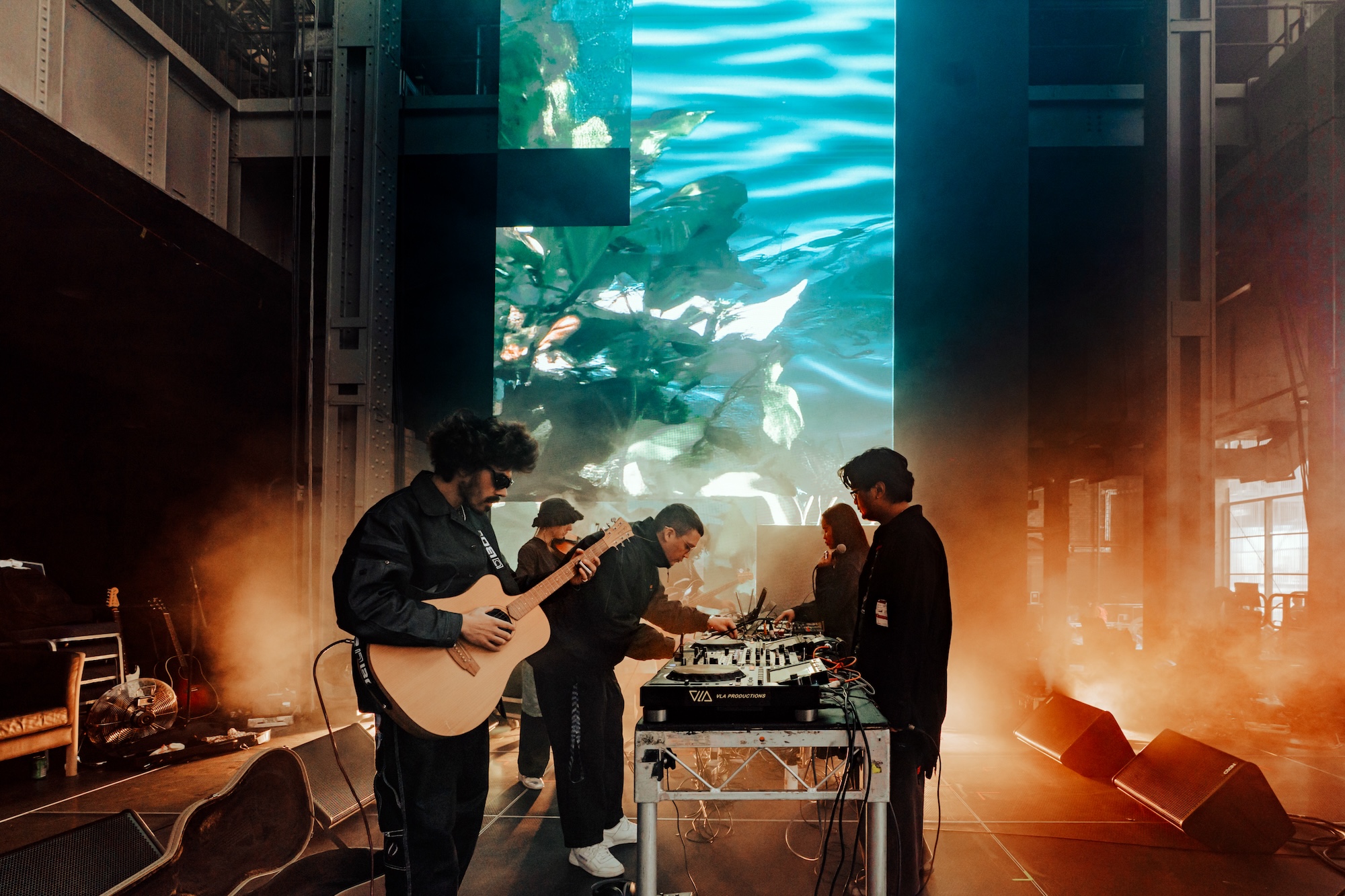
Vision Machines: Ensembles
The third event in our series on the way technology is changing what it means to see, co-presented with the Museum of Contemporary Art Australia. This session explores the forces that vision machines serve, and how to resist them.
People
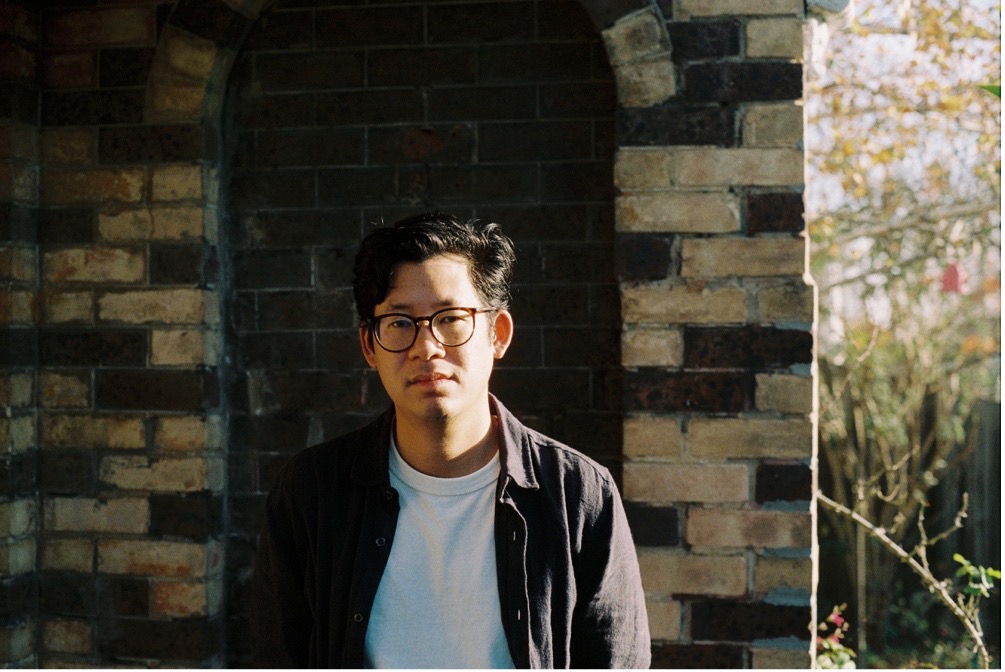
André Dao
Dr André Dao is a postdoctoral research fellow with the Laureate Program in Global Corporations and International Law at the Melbourne Law School. He is the author of an academic monograph, Human rights for the data society: Big Tech, the UN and the datafication of rights (CUP, 2026). His debut novel, Anam, won the Prime Minister’s Literary Award for Fiction, the NSW Premier’s Literary Award for New Writing, and was shortlisted for the Miles Franklin Literary Award and the Voss Literary Award.
André was awarded the 2024 Pascall Prize for Cultural Criticism for essays published in The Saturday Paper, Meanjin and Liminal. He is the co-founder of Behind the Wire, the award-winning oral history project documenting the stories of the adults and children who have been detained by the Australian government after seeking asylum in Australia.
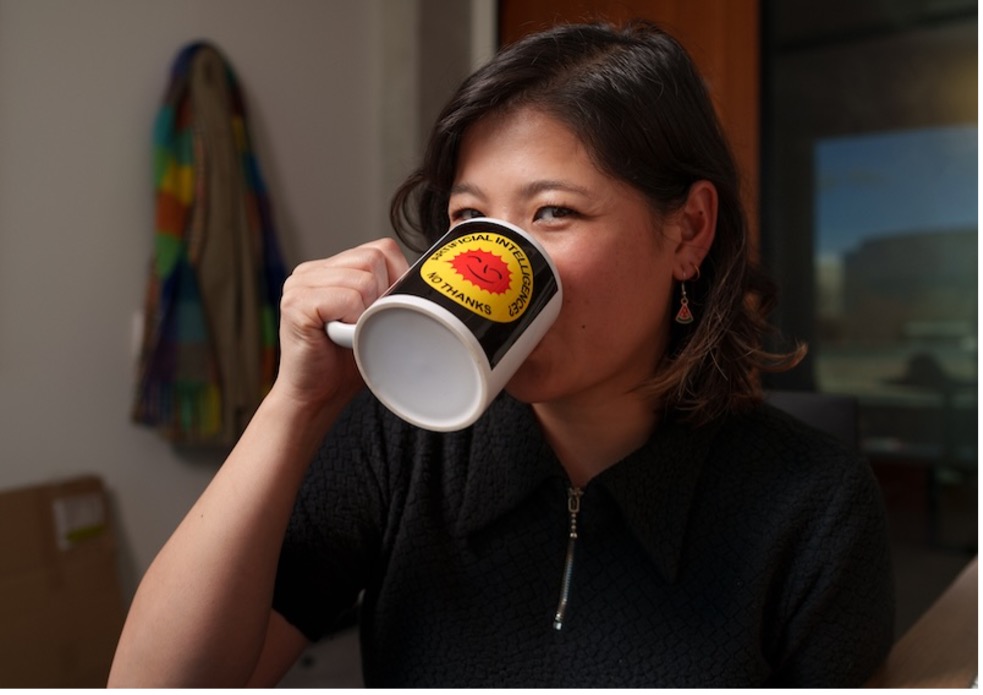
Thao Phan
Thao Phan is a feminist science and technology studies (STS) researcher who specialises in the study of gender and race in algorithmic culture. She is a DECRA Fellow and Lecturer in Sociology at the Australian National University (ANU). Thao has published on topics including whiteness and the aesthetics of AI, big-data-driven techniques of racial classification, and the commercial capture of AI ethics research.
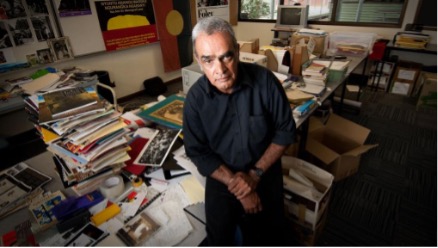
Gary Foley
Gary Foley is teacher and Supervisor at Victoria University as well as the Director of the Aboriginal History Archive. A Gumbainggir man, Gary Foley was born in Grafton, northern NSW. After being expelled from school aged 15, Foley moved to Sydney as an apprentice draughtsperson. Since then, he has been at the centre of major political activities including the Springbok tour demonstrations (1971), Aboriginal Tent Embassy in Canberra (1972) and Commonwealth Games protests (1982) among many others.
Foley was involved in the establishment of the first Aboriginal self-help and survival organisations including: Redfern’s Aboriginal Legal Service, the Victorian Aboriginal Health Service, and the National Black Theatre. In 1974 he was part of an Aboriginal delegation that toured China and in 1978 he took films on Black Australia to the Cannes Film festival.
Having a keen awareness of the power of media in advancing the rights of Aboriginal peoples, Foley has appeared in various films including Backroads (1977), in which he had a hand in writing his dialogue to achieve an accurate depiction of the Aboriginal struggle at the time.
Throughout his working life Foley has been director of the Victorian Aboriginal Health Service (1981), Aboriginal Arts Board (1983-86) and Aboriginal Medical Service Redfern (1988). Other career highlights include his role as a senior lecturer at Swinburne College and The University of Melbourne, a consultant to the Royal Commission into Black Deaths in Custody (1988), a board member of the Aboriginal Legal Service (Redfern) and national executive of the National Coalition of Aboriginal Organisations.
In 1994 Foley created the first Aboriginal owned and operated website when he created the Koori History website, which remains one of the most comprehensive Aboriginal education resources available today online.
Foley conducted his postgraduate studies later in life completing a PhD in History at the University of Melbourne in 2012, for which he received a Chancellor’s medal. Foley has been at Victoria University since 2008 as a professor in History, a PhD supervisor and the director of the Aboriginal History Archive. Housed at Victoria University’s Moondani Balluk Indigenous Academic Unit this archive contains a wealth of unique primary source history materials relating to the struggle for Aboriginal rights in Australia constituting over 80,000 items and growing.
Foley has received numerous awards for his tireless work advancing the rights of Aboriginal peoples. These include the Australia Council’s Red Ochre Award (2015), the Jerusalem (Al Quds) Peace Prize for advocacy work (2021), and Fellow of the Australian Academy of the Humanities (2024).
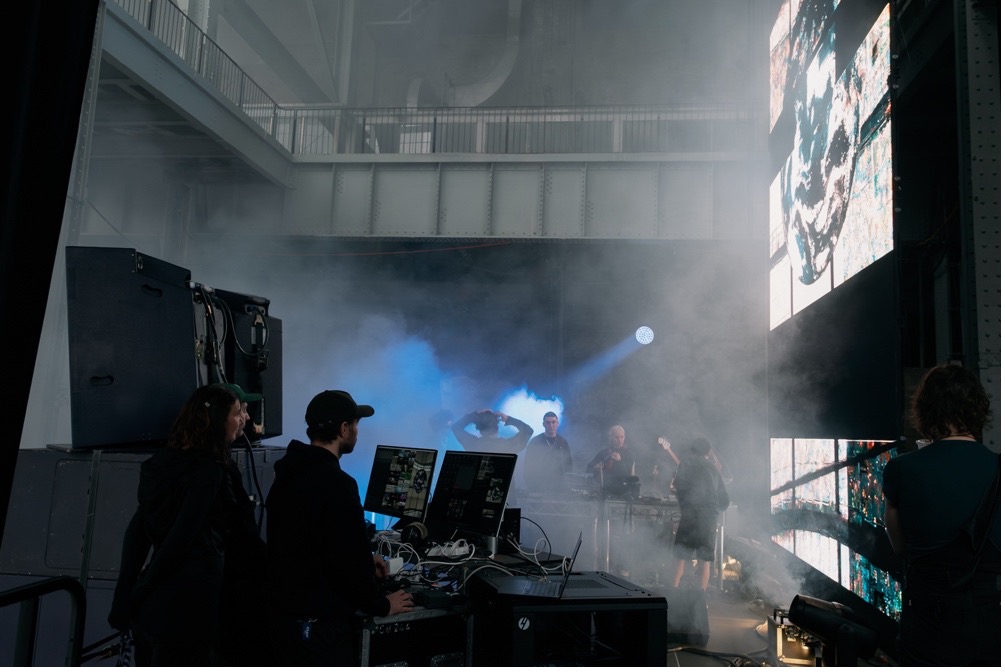
Junior Major
Junior Major is a collective of artists and technologists who make and merge digital and physical worlds. Founded in 2022 by Shunji Davies, Claire Evans, and Tom Siddall, Junior Major’s practice sits at the intersection of art and technology, creating experiences that challenge perception and invite reflection.
Credit: Aristo Risi
Worlds Only
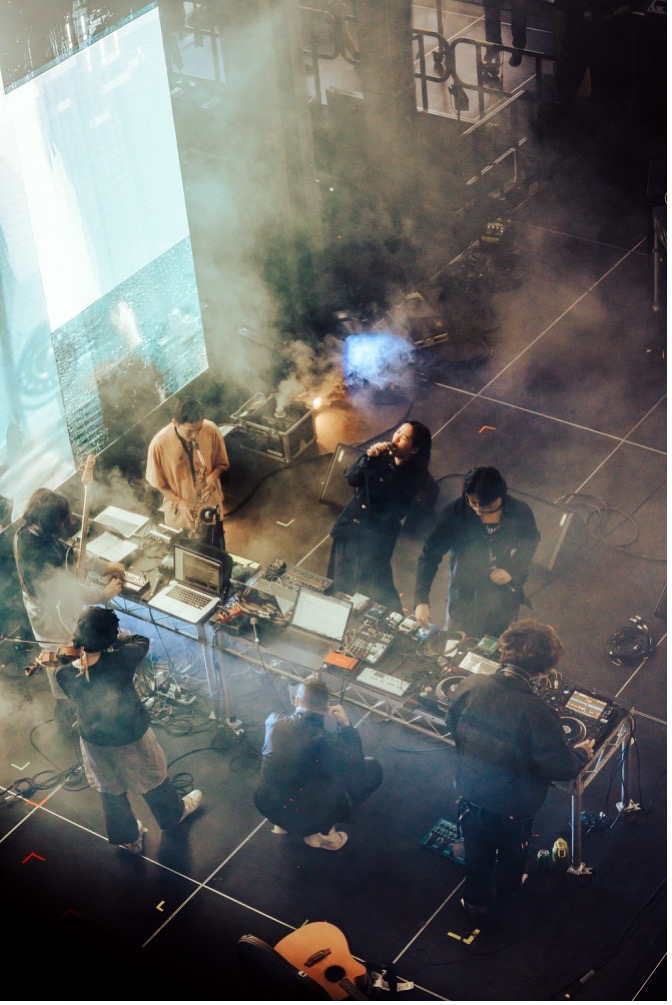
Worlds Only is Alister Hill (guitar), Darren Lesaguis (vocals), Jenny Trinh AKA Wytchings (electronics/vocals), Justin Tam (saxophone), Mara Schwerdtfeger (viola), Reginald Harris (bass) and Thomas William Smith AKA T. Morimoto (electronics). It is named after Megan Alice Clune’s short-lived yet seminal zine World’s Only, which explored the intersection of classical music, experimental subgenres and the indie ethos. The septet explores intertwining instrumentation, internal worlds and the distortion of time, a collaborative practice focused on site-specific musical works that only exists in the liminal space that happens with live improvisation.
Drawing from four decades of experience and their respective practices – from performing at major institutions like the ICA London, Sydney Opera House and the Red Rattler, creating influential labels and collectives (Eternal Dragonz, Sumac, Serial Space) and collaborating across the full spectrum of contemporary music spanning trance to drill and slowcore rock, Worlds Only is a shape-shifting entity based in Sydney and Barcelona that embraces a collectivist philosophy where each lineup is fluid, and studio recordings are foregone in favour of live documentation that captures the personal and the incendiary.
Their debut album Courage to Detour and Patience to Wait was released exclusively on The Internet Archive, selected as the premiere digital distribution network that’s home to classics such as the DJ Screw mixology and Collarbones Waiting for the Ghosts. The album was recorded live at Phoenix Central Park, where they debuted as a collective, and later released on Bandcamp and YouTube with a live film directed by artist Sophie Penkethman-Young.
Since then, Worlds Only have undertaken a performance and recording residency at Dark Mofo and MONA, been commissioned by Soft Centre Festival, appeared at ACMI FACT Festival, and performed a live film score for the influential cult film Limité curated by the Art Gallery NSW. They are nominated for two SMAC Awards for best album and best live act by Sydney’s station, FBi Radio.
Their next album Would you leave yourself was released on Monday 9 February, exclusively on The Internet Archive, Bandcamp and Nina Protocol, with evil streamers maybe later.
Words on art: The writings of Okwui Enwezor
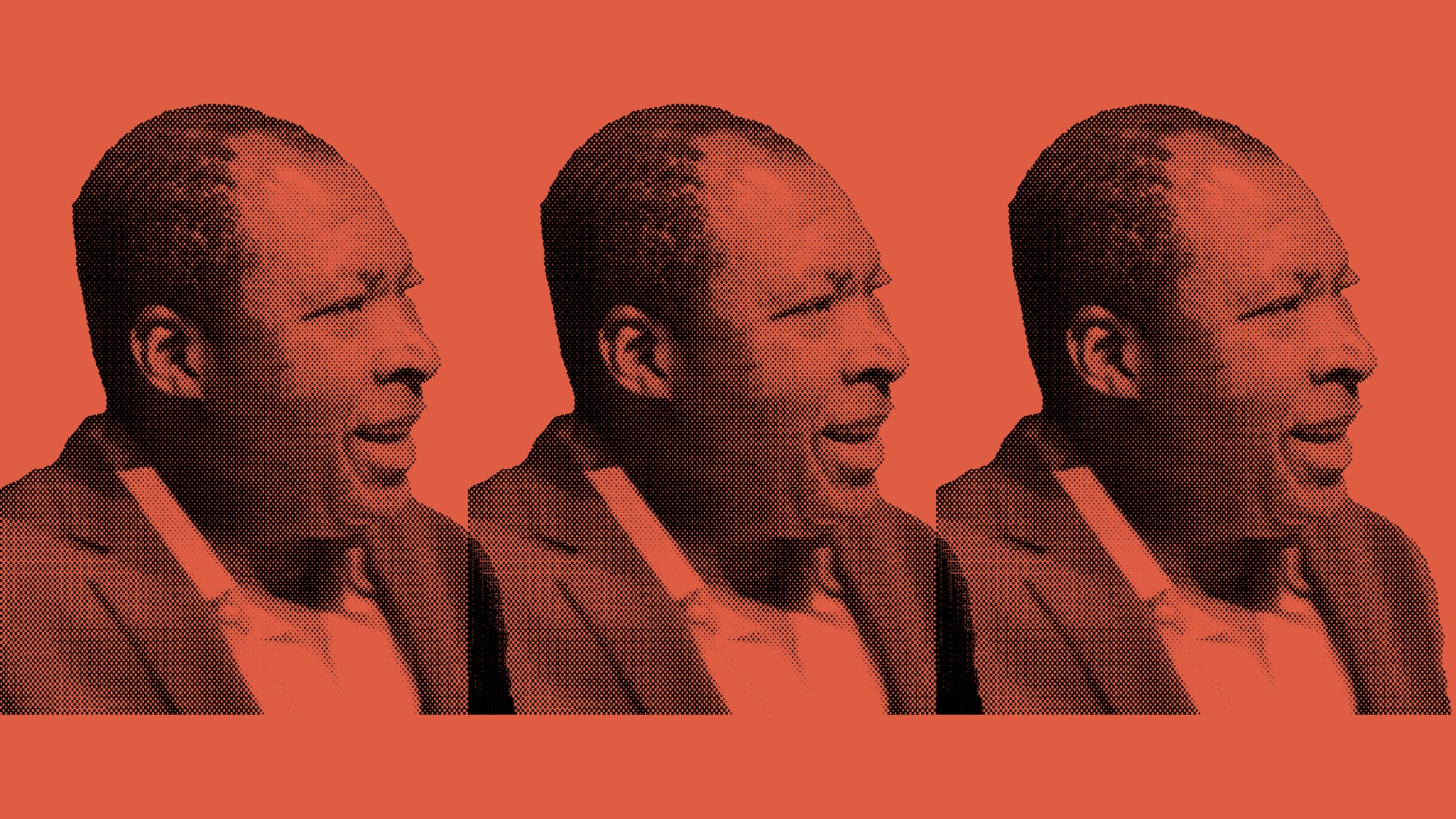
A panel conversation on the writings of Okwui Enwezor, the Nigerian curator who from the 1990s until his death in 2019 pioneered new frameworks for understanding and exhibiting African and global contemporary art.
People
Daniel Boyd
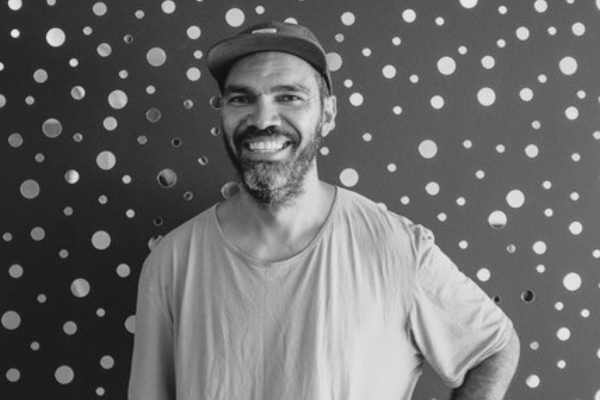
Daniel Boyd reinterprets Eurocentric perspectives on Australian history, drawing upon historical photographs, art history and his own cultural heritage as a Kudjala, Ghungalu, Wangerriburra, Wakka Wakka, Gubbi Gubbi, Kuku Yalanji, Bundjalung, Yuggera, ni-Vanuatu man. Known for his distinctive use of the dot, or ‘lens’, Boyd’s work also considers how history and identity are shaped by how and what we choose to see.
Boyd has exhibited his work nationally and internationally since 2005. His work is held in the collections of the Natural History Museum, London; National Gallery of Australia, Canberra; Tasmanian Museum and Art Gallery, Hobart; National Gallery of Victoria, Melbourne; Art Gallery of New South Wales, Sydney; as well as numerous private collections in Australia.
Photograph: James Brown
Daniel Browning
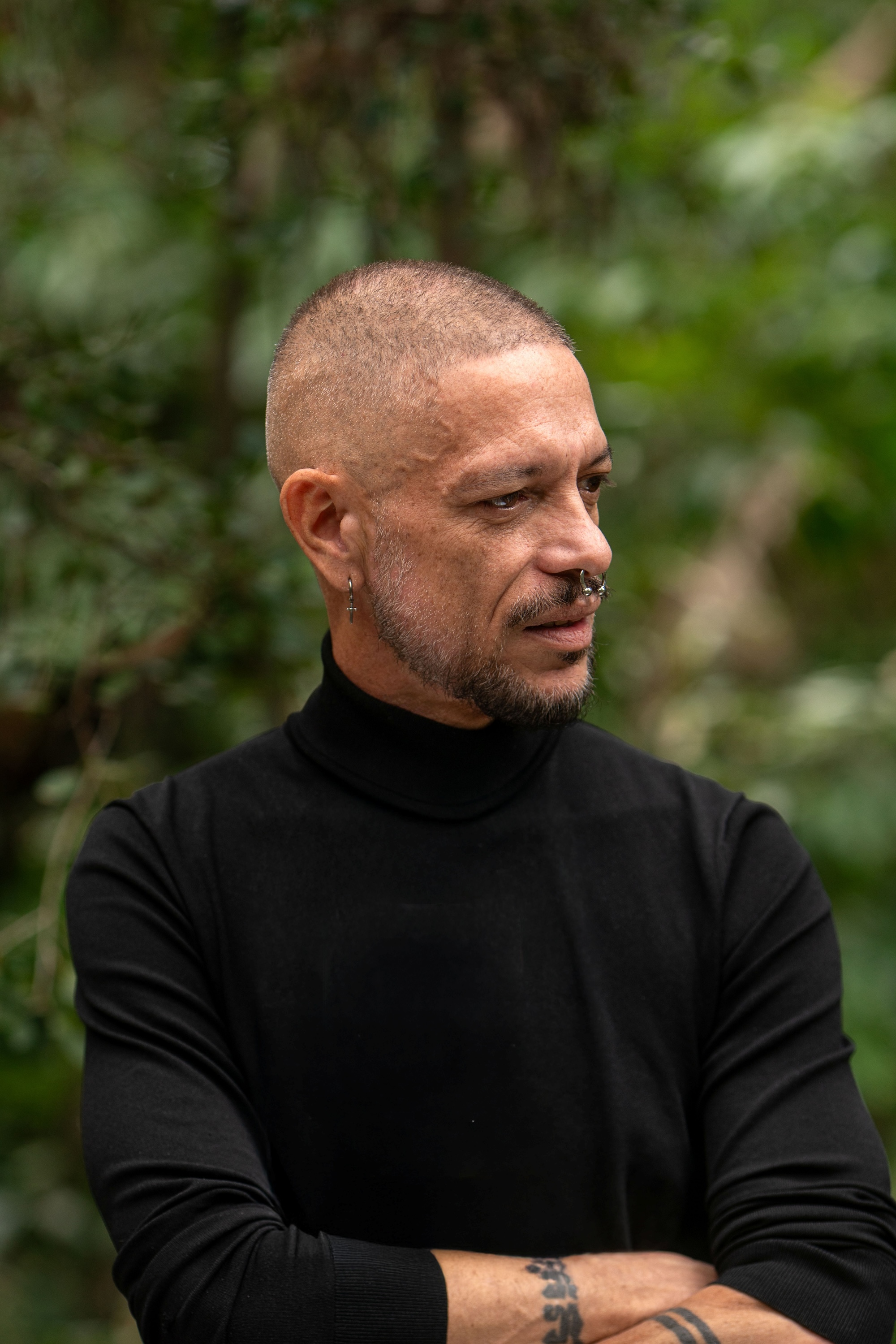
Professor of Indigenous Cultural and Creative Industries at the University of Sydney, Daniel Browning is Bundjalung and Kullilli writer, journalist and radio broadcaster. In a 30-year media career with Australia’s national broadcaster, Daniel read news for youth network triple j, presented and produced curated international award-winning programs on Indigenous art and culture every week for 15 years on Awaye! and established Word Up, a shortform podcast on the revival of Indigenous languages. The former Editor Indigenous Radio at the Australian Broadcasting Corporation, Daniel also hosted The Art Show from 2021 until 2025. In 2010 he was appointed guest editor of a specialist Indigenous issue of the contemporary art journal Artlink, and was invited back to edit four subsequent issues of what became the annual Artlink Indigenous. His first book, Close to the Subject: Selected Works, which catalogues his freelance writing on the arts, as well as poetry, memoir and his first play, won the 2024 Prime Minister’s Literary Award for Non-Fiction. In the same year Daniel was also the recipient of the Indigenous Writing Prize, a category of the Victorian Premier’s Literary Awards. A finalist in the June Andrews Prize for Arts Journalism in 2024, he jointly won the Walkley Foundation’s inaugural Arts Journalism and Arts Criticism Prize in 2025 with ABC colleagues Rudi Bremer and Teresa Tan. His writing on contemporary Indigenous art has been published widely both nationally and internationally in ArtReview, Art Basel, Gradhiva, E-flux, The Saturday Paper, The Monthly, Overland, The Guardian, The Age, Afrikadaa, Harper’s Bazaar, Conde Nast Traveler and the precursor of Blue Art Journal, Art Monthly. His critical essays have been published in magazines and exhibition catalogues for state and national galleries and in monographs including the latest, Tony Albert’s Not A Souvenir, published by Thames and Hudson.
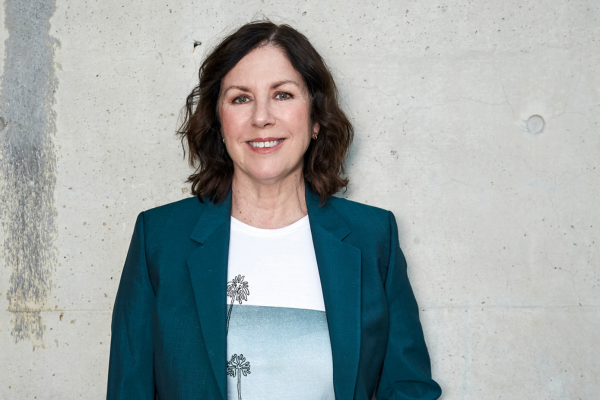
Suzanne Cotter
Suzanne Cotter has held directorial and senior curatorial positions in museums around the world, including Director of the Musée d’Art Moderne Grand-Duc Jean Luxembourg (MUDAM), Luxembourg, Director of the Serralves Museum of Contemporary Art, Porto (Portugal), Senior Curator for the Guggenheim Abu Dhabi Project at the Solomon R. Guggenheim Foundation New York, Deputy Director and Senior Curator of Modern Art Oxford (UK), and Curator at the Hayward Gallery, London, Whitechapel Art Gallery, London, and the Serpentine Gallery, London. In 2011, Suzanne curated with Rasha Salti the 10th Sharjah Biennial in the United Arab Emirates.
Throughout her career, Suzanne has worked with some of the world’s most acclaimed contemporary artists and is widely published on their work. She has participated in numerous international contemporary art panels and juries including the Turner Prize, the Hugo Boss Prize and the Pinchuk Prize. A Board member of CIMAM (International Committee for Modern and Contemporary Art Museums) from 2016 until 2025, Suzanne chaired the Outstanding Museum Practices Award steering committee and chaired the Sustainability and Ecology in Museum Practice working group. She currently sits on the Boards of Mophradat, an independent cultural agency that supports artists from the Arab world, and Museums and Galleries NSW.
Through her work with contemporary artists her contributions to culture have been recognised. In 2005 Suzanne was awarded the Chevalier de l’Ordre des Arts et des Lettres from the French Government. In 2021 she was awarded the Chevalier de l’Order de la Couronne la Chêne of the Grand Duchy of Luxembourg and the Cavaliere Osi (Ordine Della Stella D’Italia) awarded by the Republic of Italy.
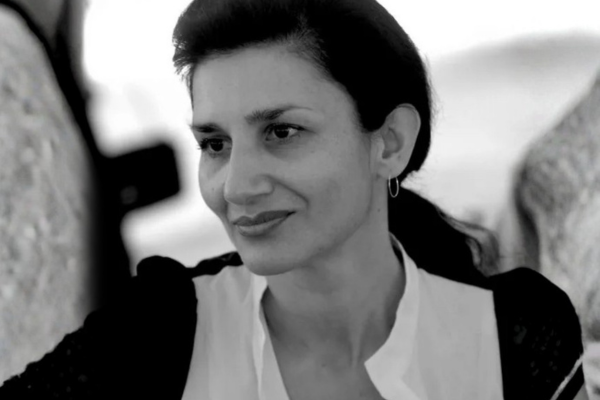
Louise Neri
Louise Neri is an editor, curator and writer and she was the partner of Okwui Enwezor at the time of his death in 2019. She was the inaugural director of Gertrude Contemporary, Melbourne from 1984-89. Between 1990 and 2001 she was US editor of the international art journal Parkett, during which time she co-curated the 1997 Whitney Biennial and the 24th Bienal de São Paulo (1998). She was Assistant Curator for the 8th Biennale of Sydney in 1990 and Advisor to the 12th edition in 2000. From 2006 to 2022, she was a senior director at Gagosian during the gallery’s global expansion. As part of her strategic international role, she recruited artists, organized more than 80 exhibitions across the global platform, edited books and organized live discursive events. Neri is Founder and Principal of Extraterritorial, a consulting platform for the arts, and Executive Liaison for the El Anatsui Studio in Accra, Ghana. Her most recent book is Matthew Barney: SECONDARY, a twin volume published by Rizzoli in 2025.
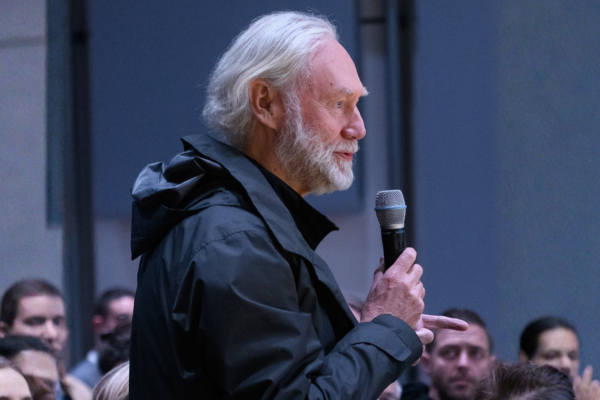
Terry Smith
Terry Smith is Emeritus Professor of Art History at the University of Sydney and Andrew W Mellon Emeritus Professor of Contemporary Art History and Theory in the Department of the History of Art and Architecture at the University of Pittsburgh.
He is the author of numerous books on contemporary art and curatorial practice, most recently Curating the complex and the open strike (2021), Iconomy: towards a political economy of images (2022), Fred R Myers, Six paintings from Papunya: a conversation (2024) and the edited volume Okwui Enwezor: selected writings (2025).
A founding board member of the Museum of Contemporary Art Australia, he has served on the board of the Andy Warhol Museum, Pittsburgh, and is Board Member Emeritus of the Carnegie Museum of Art, Pittsburgh.
Photograph: Filip Wolak

Rewrite: On art and the archive
An evening of readings and discussion with eight talented emerging writers.