Vision Machines: Models
The second event in our series on the way technology is changing what it means to see, co-presented with the Museum of Contemporary Art Australia. This session explores how vision machines see the world.
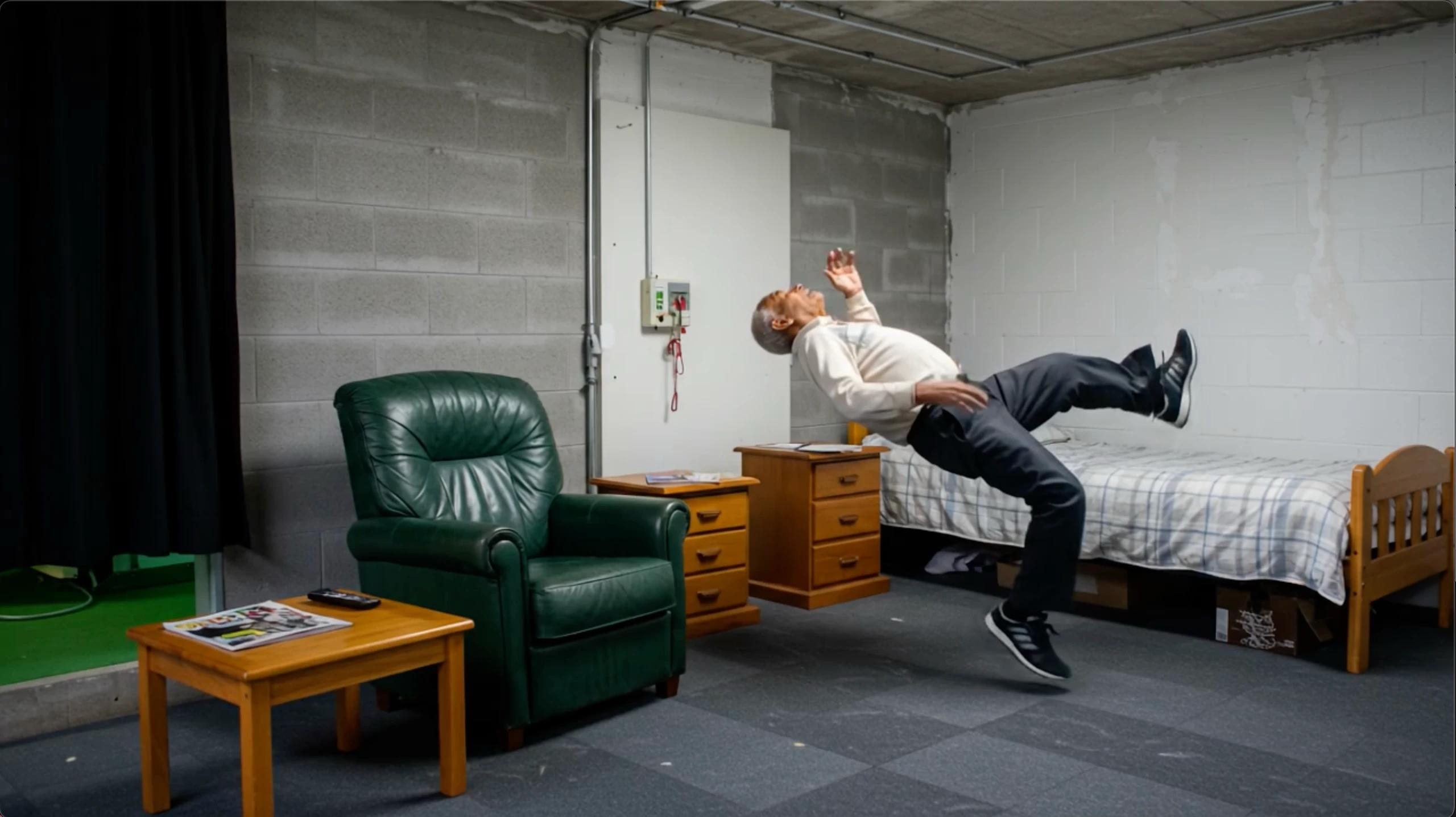
Still image from 55 Falls / Ambient Assisted Living (2025), a two-channel video installation with four-channel audio by Machine Listening (Sean Dockray, James Parker, Joel Stern), commissioned for The Mourning After at RMIT Design Hub.
When machines see, they make models—technological duplicates of reality that can be analysed, manipulated and exploited. This session will dig further into machine vision to explore some of the models machines have sculpted of our world.
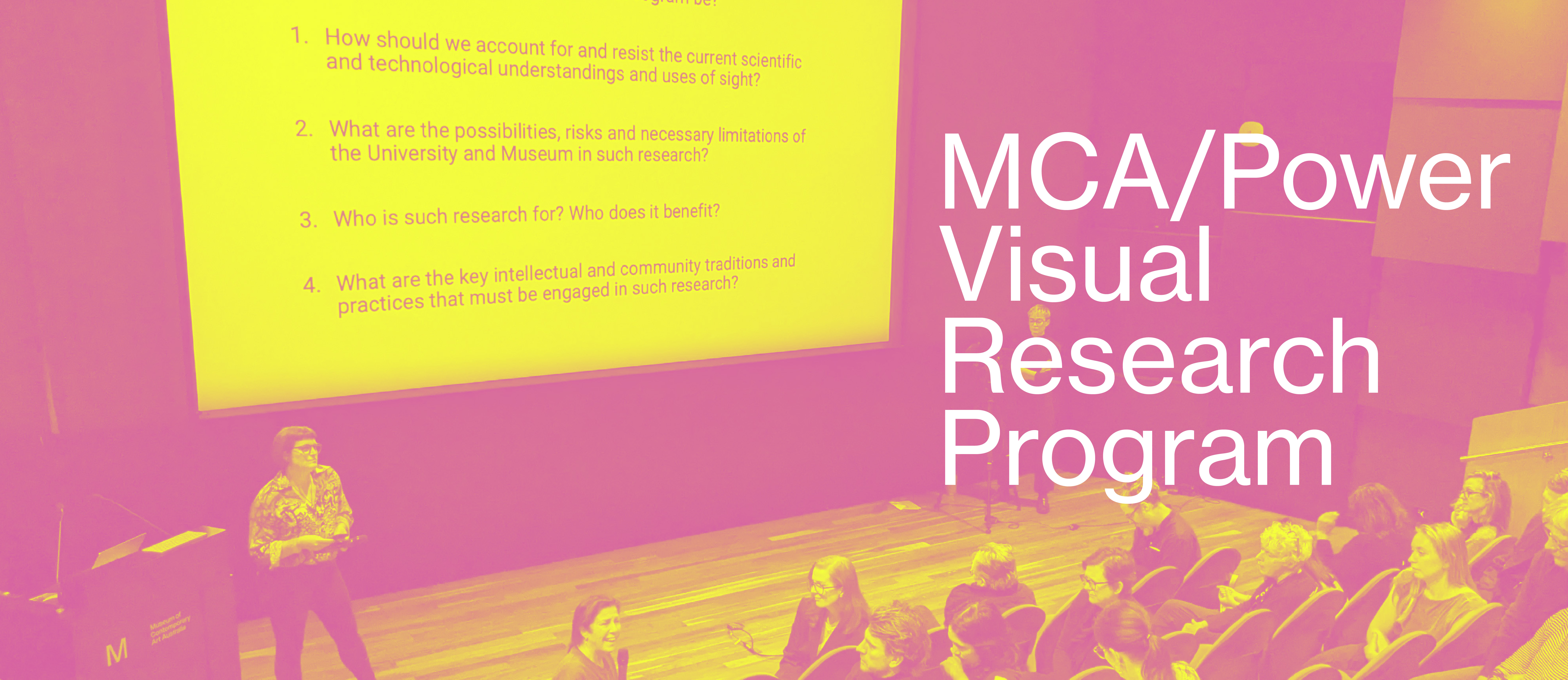
This event is part of Vision Machines, a series convened by Andrew Brooks and Nick Croggon, co-presented by the Power Institute and the Museum of Contemporary Art Australia, as part of the Visual Research Program, a multi-year collaborative partnership between the MCA Australia and the Power Institute which aims to explore and showcase new ways of conducting research on contemporary art and visual culture.
Visit the Vision Machines website for tickets and more information
People
Machine Listening
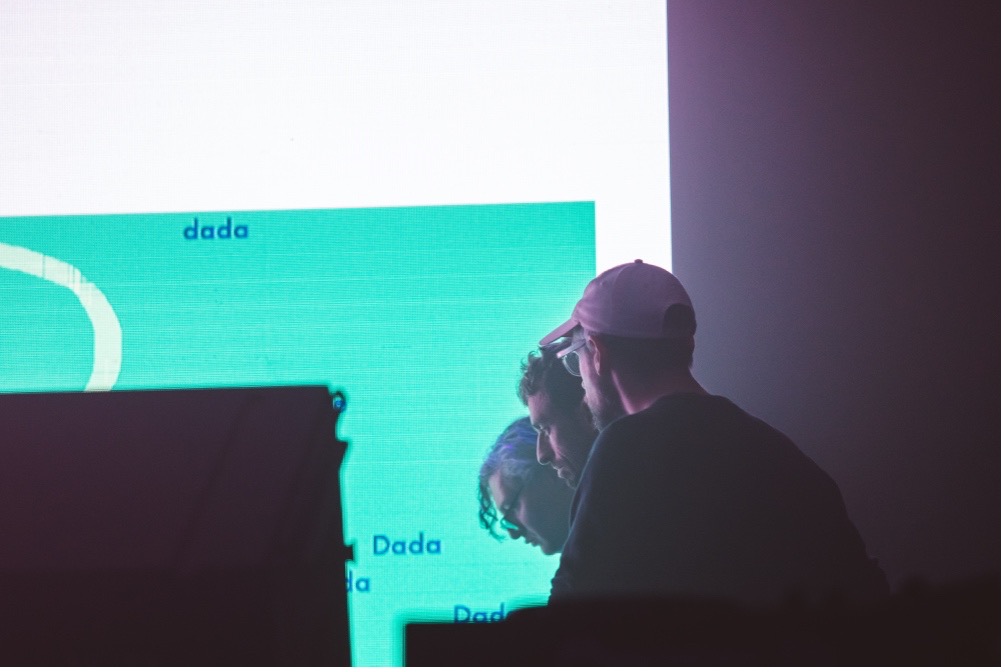
Machine Listening is a platform for collaborative research and artistic experimentation, founded in 2020 by Sean Dockray, James Parker and Joel Stern in order to subject automated systems to political and aesthetic scrutiny. The collective works across writing, installation, performance, music, software, curation, pedagogy and radio.
Machine Listening has presented work at major institutions including the Australian Centre for Contemporary Art, Cricoteka Tadeusz Kantor Museum (Kraków), Warsaw Museum of Modern Art, Galerie Nord (Berlin), the National Communication Museum, RMIT Design Hub and MUMA, and has performed at Unsound Festival, Soft Centre, and Melbourne Recital Centre, among others.
Christopher O'Neill
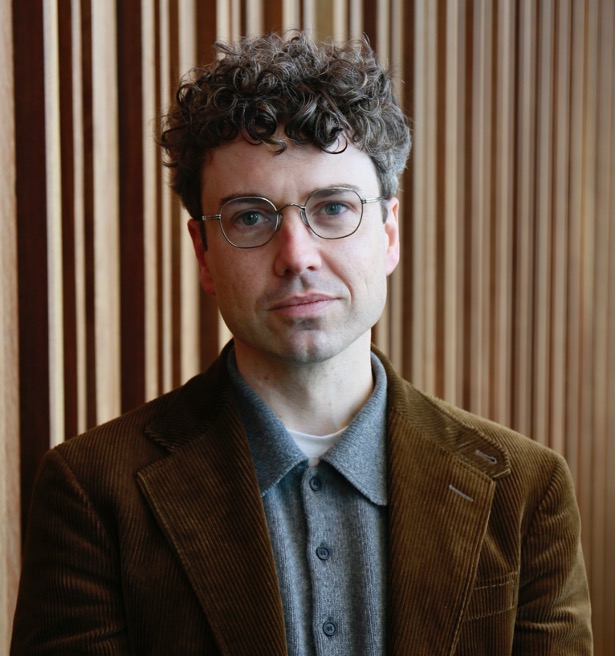
Christopher O’Neill is a Lecturer in Media at Monash University. His work draws upon critical media theory and science and technology studies (STS) to investigate the technical inscription of the body. His work focuses especially on the relation between error and surveillance in the medical clinic, the workplace, and the (smart) home. His first monograph, Cultural Techniques of Biosensing: A History of the Body in Error, will be published with Stanford University Press in 2026.
Elizabeth Stephens
Elizabeth Stephens is an Associate Professor of Cultural Studies in the School of Communication and Arts at the University of Queensland. Her background is in gender and sexuality studies, and her current research focuses on popular histories and representations of science, medicine and technology, collaborations between the arts and sciences and the critical medical humanities. Elizabeth is author of over 100 publications, including four books: Artificial Life: The Art of Automating Living Systems (University of Western Australia Press, 2025), co-authored with Oron Catts, Sarah Collins, and Ionat Zurr, A Critical Genealogy of Normality (University of Chicago Press, 2017), co-authored with Peter Cryle; Anatomy as Spectacle: Public Exhibitions of the Body from 1700 to the Present (Liverpool University Press, 2011), and Queer Writing: Homoeroticism in Jean Genet's Fiction (Palgrave 2009).
Thomas Smith
Thomas Smith/T.Morimoto is an Eora/Sydney based artist, musician and researcher. His practice combines performance, video, electronic music, speculative fiction, websites, curatorial projects and critical writing. Thomas’ work is concerned with the social effects of computational systems, the politics of creative economies, emerging digital subjectivities and electronic music as a mode critical inquiry. Thomas is a member of the Trackwork label collective alongside Utility, with whom he released the collaborative album Nexus Destiny in 2019. He also runs independent record label Sumac with Jarred Beeler (DJ Plead) and Jon Watts.
Related
Thu, 12 March 2026
6:00PM
Vision Machines: Operations
Anna Munster, Olga Boichak, Michael Richardson, Sian Troath, and Joel Spring
Thu, 14 May 2026
6:00PM
Vision Machines: Ensembles
André Dao, Thao Phan, Gary Foley, Junior Major, and Worlds Only