
Sydney Asian Art Series 2026
This series brings together researchers from across the world to discuss critical issues in early, modern and contemporary Asian art via lectures, seminars and other events. In 2026, the series asks the question: what is/where is/when is Asian Art?
The Sydney Asian Art Series, which was established in 2017, invites leading researchers from across the world to share their research on critical issues in early, modern and contemporary Asian art.
This year’s theme What/where/when is Asian art? tackles a central tension: how can a single idea (Asian art) encompass the diversity of peoples, geographies and cultural practices grouped under ‘Asian art’?
Over the past 30 years, artists and scholars have proposed various answers to this question, from the diasporic and postcolonial frameworks of the 1990s to today’s distinct yet intersectional concepts of the transcultural, culturally hybrid, Indigenous and decolonial. This series examines why the question of Asian art continues to provoke debate and how the stakes of defining it shift across nations and contexts.
Convened by art historian Dr Yvonne Low, University of Sydney, and the Art Gallery’s curator of Asian art, Dr Natalie Seiz, this year’s Sydney Asian Art Series engages with ideas explored in the exhibition And Still I Rise.
The 2026 Sydney Asian Art Series is convened by Yvonne Low and Natalie Seiz, and co-presented by the Power Institute and VisAsia at the Art Gallery of NSW.
Explore the 2025 Series
Explore the 2024 Series
Explore the 2023 Series
Events
Upcoming

Artist Laura Kina discusses her work, and its relationship to the framework of "American Asian Art".
People
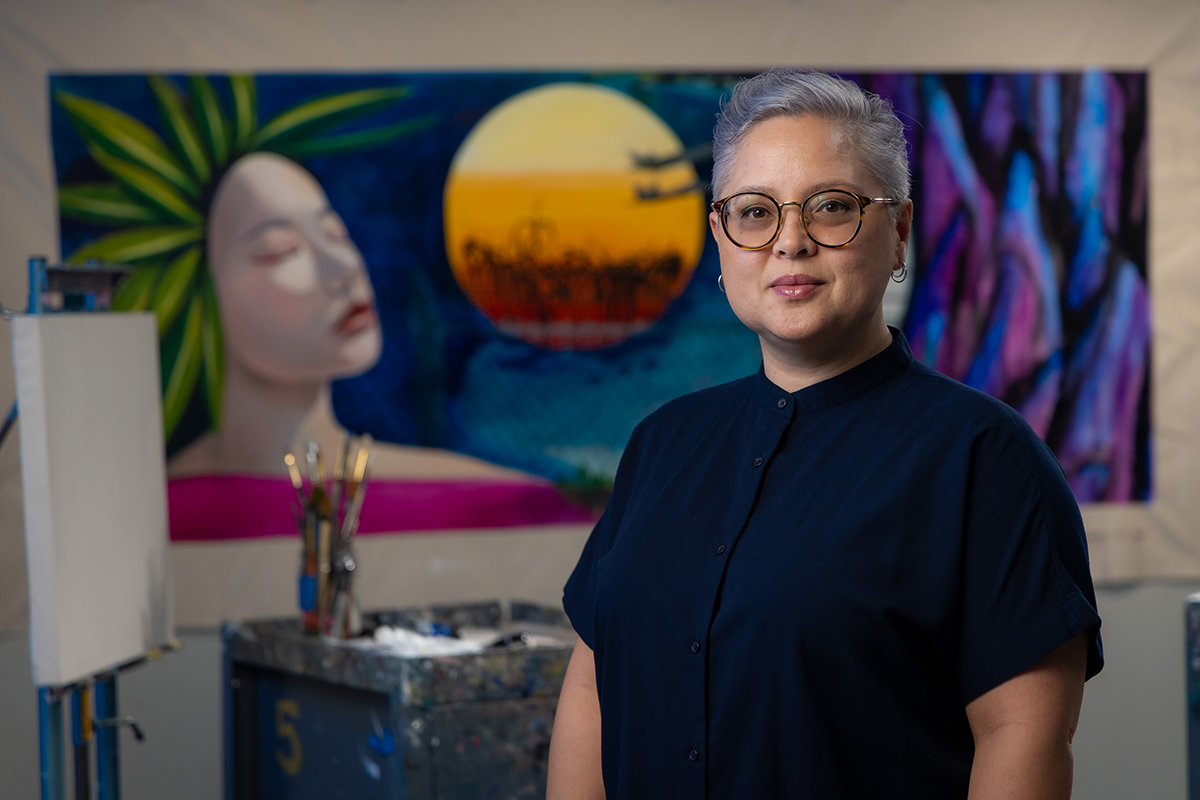
Laura Kina
Laura Kina (she/they) is a queer, disabled, mixed-race Okinawan American artist and educator whose work focuses on Asian American art and identity. Kina is a Vincent de Paul Professor at the Art School at DePaul University in Chicago and is the coeditor of War Baby / Love Child: Mixed Race Asian American Art and Queering Contemporary Asian American Art and the illustrator of Lee A. Tonouchi’s award-winning children’s book Okinawan Princess: Da Legend of Hajichi Tattoos. Kina is coeditor/illustrator, along with Jave Yoshimoto, of Word of Mouth: Asian American Artists Sharing Recipes. Kina’s artworks can be found in collections at the Mingei International Museum, Okinawa Prefectural Museum and Art Museum, and The Smithsonian Archives of American Art.
IG @laura.kina www.laurakina.com. Photo by Jeff Carion, 2024.
Past

“The Constant Staring Eyes of Gods,” or, This Collage Which is Not One
A lecture by Kajri Jain, the 2026 Sydney Asian Series Scholar in Residence, on the sensory infrastructures of collage in a religious souvenir from Nathdwara, and a work by modernist Bhupen Khakhar.
People
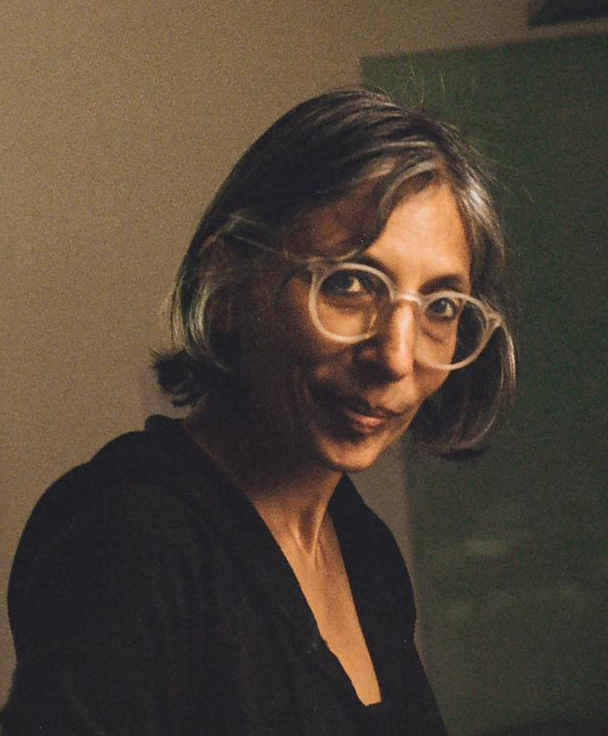
Kajri Jain
Kajri Jain (PhD University of Sydney) is Professor of Art History and Visual Studies at the University of Toronto. Her work on the interface between art, religion, politics, caste, and vernacular business cultures in modern and contemporary India includes Gods in the Bazaar: The Economies of Indian Calendar Art, on popular prints (Duke University Press, 2007), and Gods in the Time of Democracy, on the emergence of monumental statues alongside economic liberalization (Duke University Press, 2021). She also writes on contemporary art and on the discipline of art history, including in The Routledge Companion to Decolonizing Art History (2023) and How Secular Is Art? On The Politics of Art, History, and Religion in South Asia (Cambridge University Press, 2023).
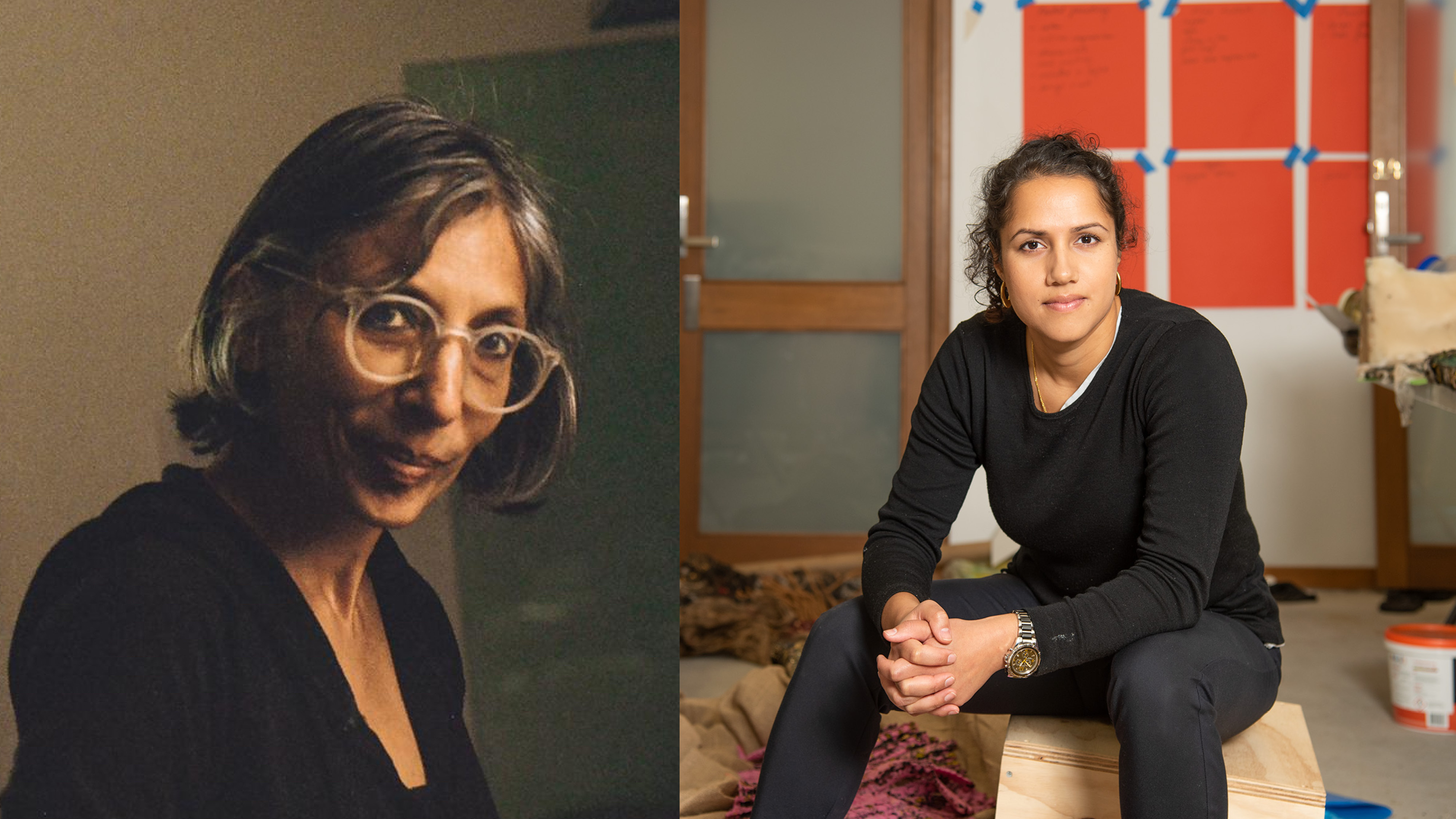
Kajri Jain and Kirtika Kain in conversation
Artist and art historian meet in conversation.
People
Kajri Jain
Kajri Jain (PhD University of Sydney) is Professor of Art History and Visual Studies at the University of Toronto. Her work on the interface between art, religion, politics, caste, and vernacular business cultures in modern and contemporary India includes Gods in the Bazaar: The Economies of Indian Calendar Art, on popular prints (Duke University Press, 2007), and Gods in the Time of Democracy, on the emergence of monumental statues alongside economic liberalization (Duke University Press, 2021). She also writes on contemporary art and on the discipline of art history, including in The Routledge Companion to Decolonizing Art History (2023) and How Secular Is Art? On The Politics of Art, History, and Religion in South Asia (Cambridge University Press, 2023).
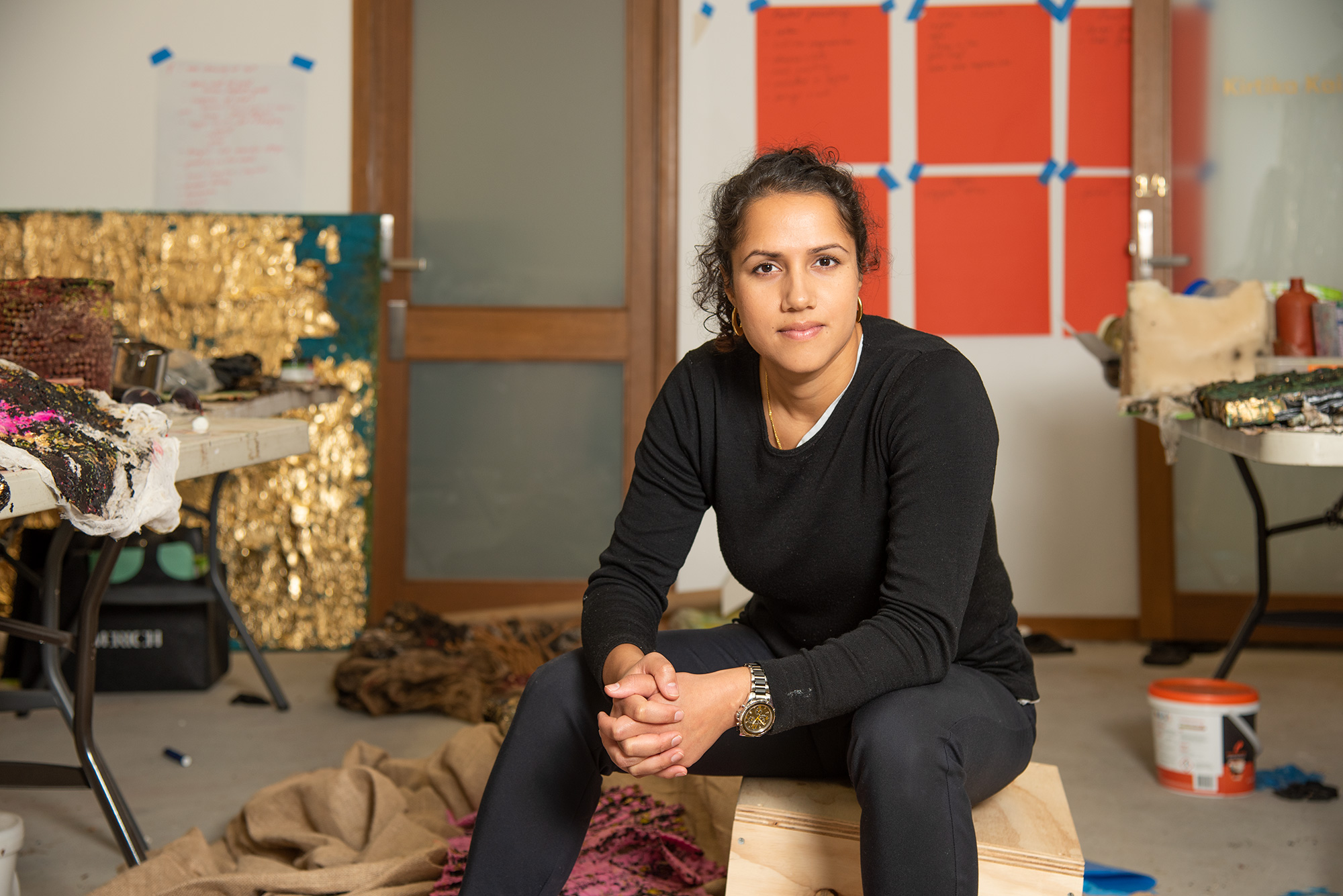
Kirtika Kain
Kirtika Kain is an artist and educator working on Dharug land. Combining elements of sculpture, experimental printmaking and painting. Kain’s practice draws from her Dalit lineage and investigates material histories, ancestral memory and the complexities of caste in the diaspora. Her materials are those of ritual and labour, including pigments, wax, gold and tar, challenging notions of sanctity, touch, stigma and purity while acknowledging the culture of Dalit people. She is a current recipient of the Parramatta Artist Studio Program, and has undertaken residencies at the British School at Rome (2019), the Cité Internationale des arts, Paris (2023), and Creative Australia’s Acme London Residency (2025).
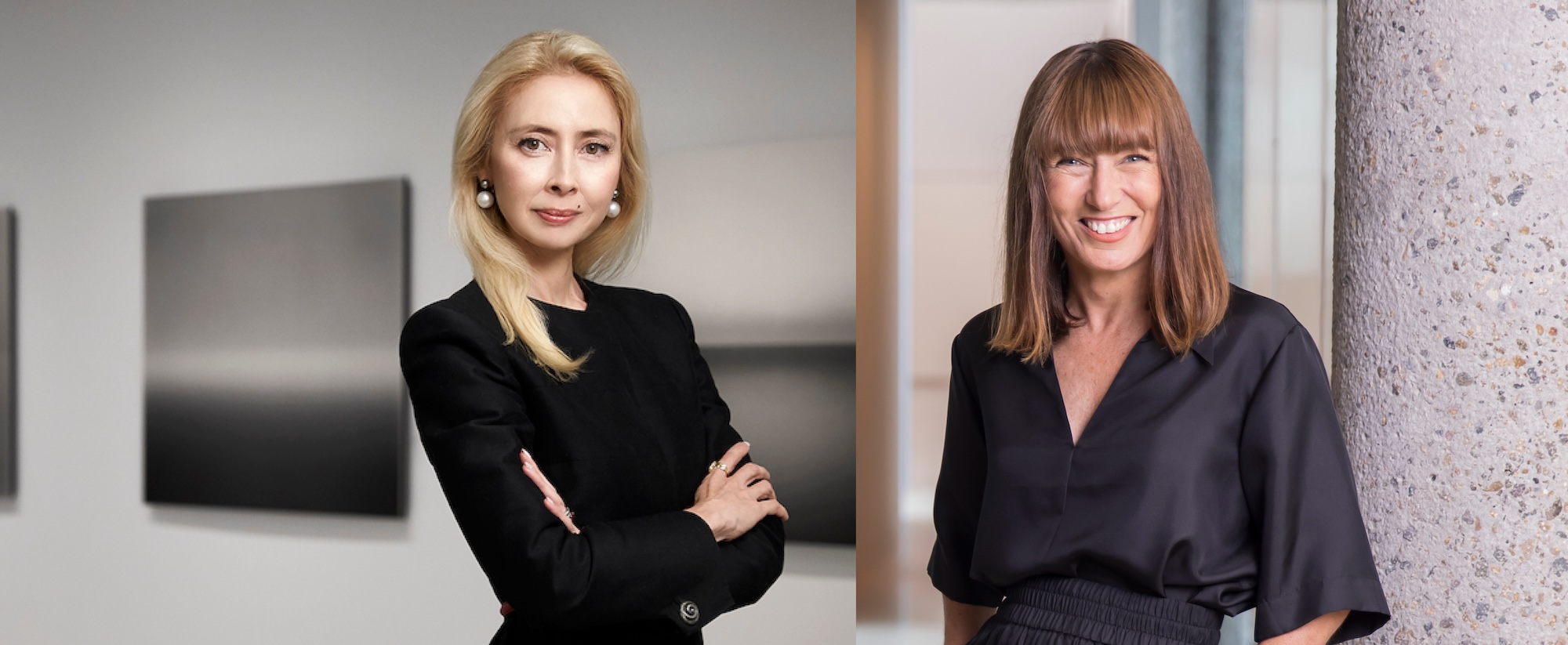
In conversation: Melissa Chiu and Maud Page
A discussion about Australian, Asian and global art with Melissa Chiu, incoming director of the Guggenheim Museum in New York, and Maud Page, director of the Art Gallery of NSW.
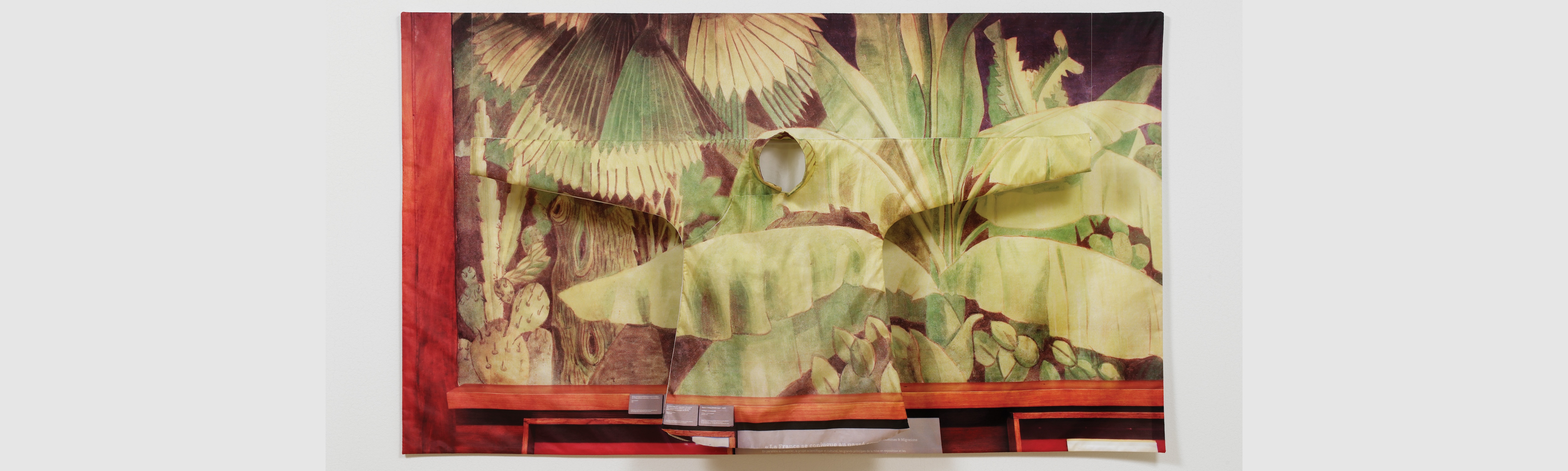
Networks of Invisible Labour
Artist Hương Ngo unearths networks of invisible labor, and their place within histories of the Asian and Southeast Asian diaspora.
People
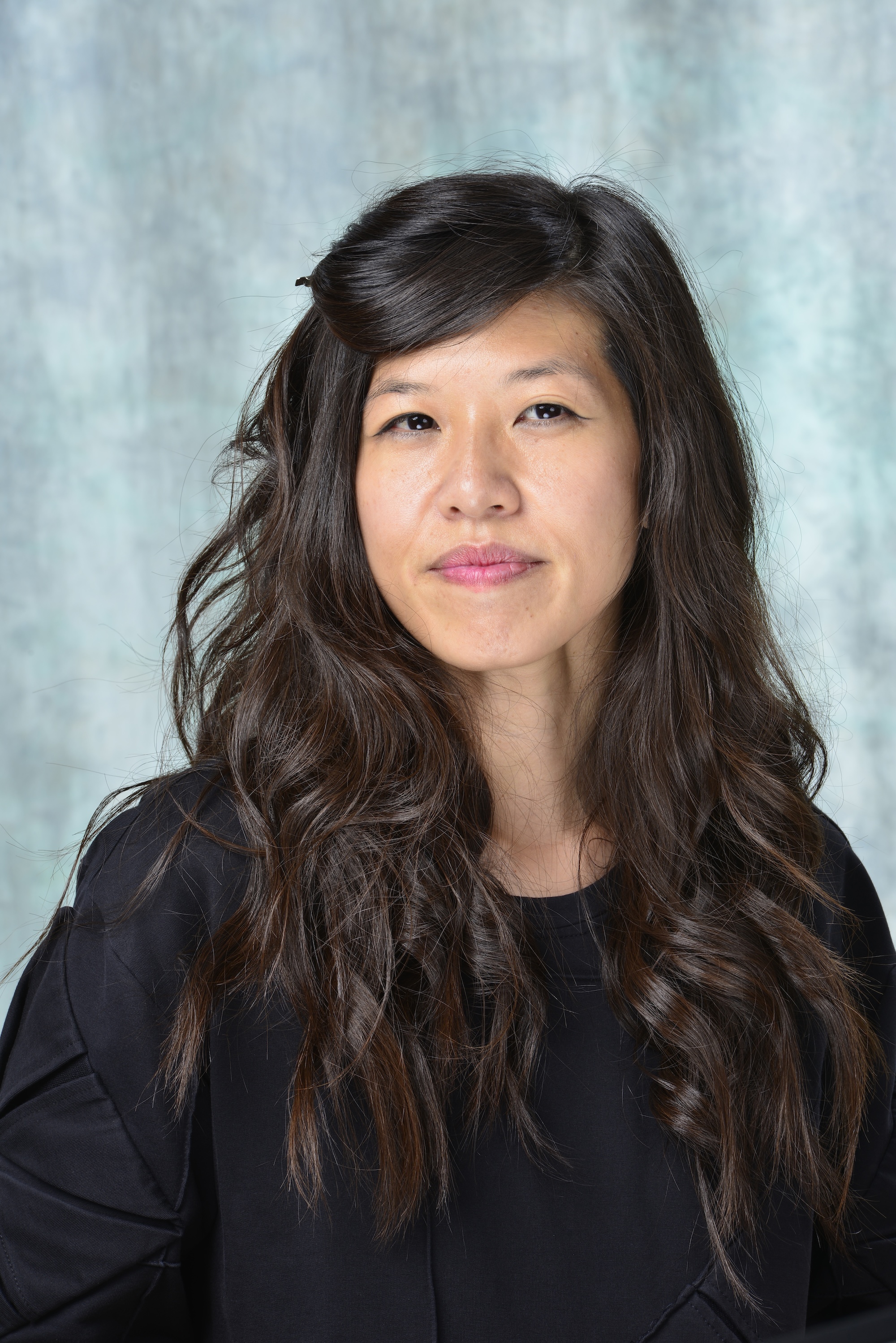
Hương Ngô
Hương Ngô is an interdisciplinary, research-based artist. She was born in Hong Kong, holds an MFA from the School of the Art Institute of Chicago in Art & Technology Studies (2004), and was a Whitney Independent Study Fellow (2011-2012). She was awarded the Fulbright U.S. Scholar Grant in Vietnam (2016) for work that has been described as "deftly and defiantly decolonial" by New City and "what intersectional feminist art looks like'' by the Chicago Tribune. She works across mediums, traversing borders and making connections through differences. At once intimate and political, Ngô’s practice listens for what remains.
She has exhibited her solo and collaborative work at numerous international institutions including the MoMA, Museum of Contemporary Art Chicago, Para Site in HK, The Factory in Ho Chi Minh City, and Nhà Sàn Collective in Hanoi. Her work is part of the permanent collections of the MoMA, DePaul Art Museum, Smith College, Colorado College, University of California Irvine, and Walker Art Center, among others. She was part of the Prague Biennial in 2005 and Prospect.5 Triennial in 2021. She is a lecturer at the University of California Santa Barbara and co-founder of Tiger Balm, an archive of conversations between artists of the Asian diaspora.
Photo credit: Leonard Suryajaya
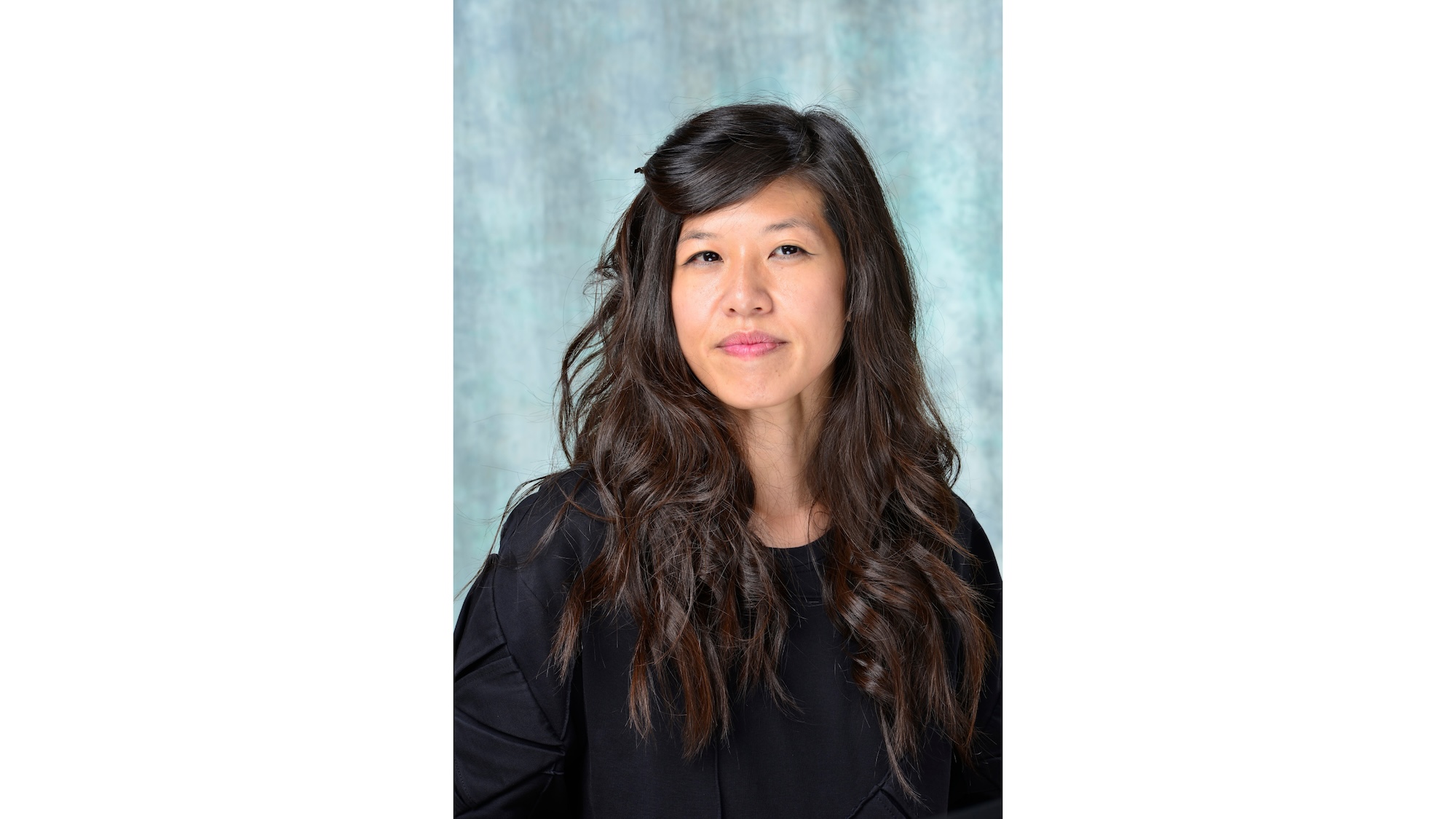
Hương Ngô: Film screening and conversation
US-based interdisciplinary artist Hương Ngô shares recent and new work.
People
Hương Ngô
Hương Ngô is an interdisciplinary, research-based artist. She was born in Hong Kong, holds an MFA from the School of the Art Institute of Chicago in Art & Technology Studies (2004), and was a Whitney Independent Study Fellow (2011-2012). She was awarded the Fulbright U.S. Scholar Grant in Vietnam (2016) for work that has been described as "deftly and defiantly decolonial" by New City and "what intersectional feminist art looks like'' by the Chicago Tribune. She works across mediums, traversing borders and making connections through differences. At once intimate and political, Ngô’s practice listens for what remains.
She has exhibited her solo and collaborative work at numerous international institutions including the MoMA, Museum of Contemporary Art Chicago, Para Site in HK, The Factory in Ho Chi Minh City, and Nhà Sàn Collective in Hanoi. Her work is part of the permanent collections of the MoMA, DePaul Art Museum, Smith College, Colorado College, University of California Irvine, and Walker Art Center, among others. She was part of the Prague Biennial in 2005 and Prospect.5 Triennial in 2021. She is a lecturer at the University of California Santa Barbara and co-founder of Tiger Balm, an archive of conversations between artists of the Asian diaspora.
Photo credit: Leonard Suryajaya
Workshop: Reading the news otherwise
US-based interdisciplinary artist Hương Ngô leads a workshop exploring how texts can be collectively transformed into critical and empathic investigations of social reality.
People
Hương Ngô
Hương Ngô is an interdisciplinary, research-based artist. She was born in Hong Kong, holds an MFA from the School of the Art Institute of Chicago in Art & Technology Studies (2004), and was a Whitney Independent Study Fellow (2011-2012). She was awarded the Fulbright U.S. Scholar Grant in Vietnam (2016) for work that has been described as "deftly and defiantly decolonial" by New City and "what intersectional feminist art looks like'' by the Chicago Tribune. She works across mediums, traversing borders and making connections through differences. At once intimate and political, Ngô’s practice listens for what remains.
She has exhibited her solo and collaborative work at numerous international institutions including the MoMA, Museum of Contemporary Art Chicago, Para Site in HK, The Factory in Ho Chi Minh City, and Nhà Sàn Collective in Hanoi. Her work is part of the permanent collections of the MoMA, DePaul Art Museum, Smith College, Colorado College, University of California Irvine, and Walker Art Center, among others. She was part of the Prague Biennial in 2005 and Prospect.5 Triennial in 2021. She is a lecturer at the University of California Santa Barbara and co-founder of Tiger Balm, an archive of conversations between artists of the Asian diaspora.
Photo credit: Leonard Suryajaya