Inner Visions: Gender Liberation and the Human Potential Movement
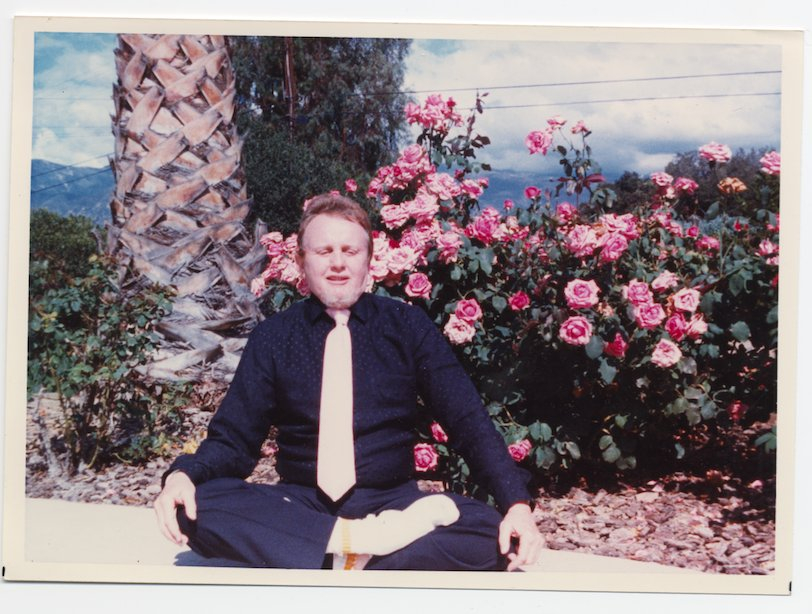
A lecture on gender transition, sensory deprivation tanks, human-dolphin communication, and high-dose ketamine use.
What do gender transition, sensory deprivation tanks, human-dolphin communication, and high-dose ketamine use have to do with each other?
Focusing on the friendship – part research collaboration, part drug buddy saga – between trans philanthropist Reed Erickson and psychonaut physician John Lilly, this talk explores the lasting connections between countercultural metaphysics, understandings of trans embodiment, and the development of tactics, to paraphrase Timothy Leary’s famous statement, by which one might “drop out” and “tune in.” Parsing the philosophical and ideological traffic between the Human Potential Movement and emergent movements for gender liberation in the 1960s and 70s, it asks after the roles that detachment, dissociation, introspection and “inner vision” have played in how gender liberation and the mutable nature of embodiment have been conceptualized.
Co-presented by the Power Institute, the Chau Chak Wing Museum, and UTS Gallery & Art Collection.
People

Hil Malatino
Hil Malatino is an Associate Professor of Women's, Gender, and Sexuality Studies and Philosophy at Penn State University. He is the author of Climbing (Duke 2026), Side Affects: On Being Trans and Feeling Bad (Minnesota 2022), Trans Care (Minnesota 2020), and Queer Embodiment: Monstrosity, Medical Violence, and Intersex Experience (Nebraska 2019), a Lambda Literary Award finalist, and recipient of the Leslie Feinberg Award in Trans Literature.
Related
Thu, 14 December 2023
6:00PM
All Fall Down: Post-Industrial Demolition Projects and the Aesthetic of Collapse
Jack Halberstam