
Pan-Nationalism: The Studio, Jugend, and Art Nouveau
At the end of the 19th century Pan, the Greek god of nature - half-man and half goat - was unleashed across Europe, cavorting his way across countless pages of the new Art Nouveau Art Journals of the 1890s. From Britain to Germany, he played a transnational song upon his reed pipes. The call of his music reached far beyond the borders of nations and continents - even as far as Australia. Yet just as quickly as the God of nature came, he also left.
The question of Pan’s peculiar popularity at the end of the 19th century has been swept aside, like the wider Art Nouveau movement, to make room for a ‘neater’ history of European Modernism. Short-lived, (spanning approximately 1890 to 1914) Art Nouveau marked a reaction against academic traditions of fine art. Seeking to overturn established hierarchies of medium and subject, it embraced the decorative, folk, graphic, and applied arts. As a style it was loosely unified by a shared emphasis on linearity, ornamentation, organicism and an eclectic hybridisation of cultural and historical influences.
Perhaps this is why Art Nouveau has been historically undervalued, seen as superfluously decorative and lacking intrinsic meaning. However, returning attention to Pan one finds in his mutability, an apt figure to represent the dissolving societal boundaries of the late 19th century. As showcased through the Schaeffer Fine Art library’s collection of the English journal The Studio, with additional images from the German journal Jugend, Pan is at once: Modern/Anti-Modern/Transnational/National/Germanic/Australian/Pagan/ and always hybrid.
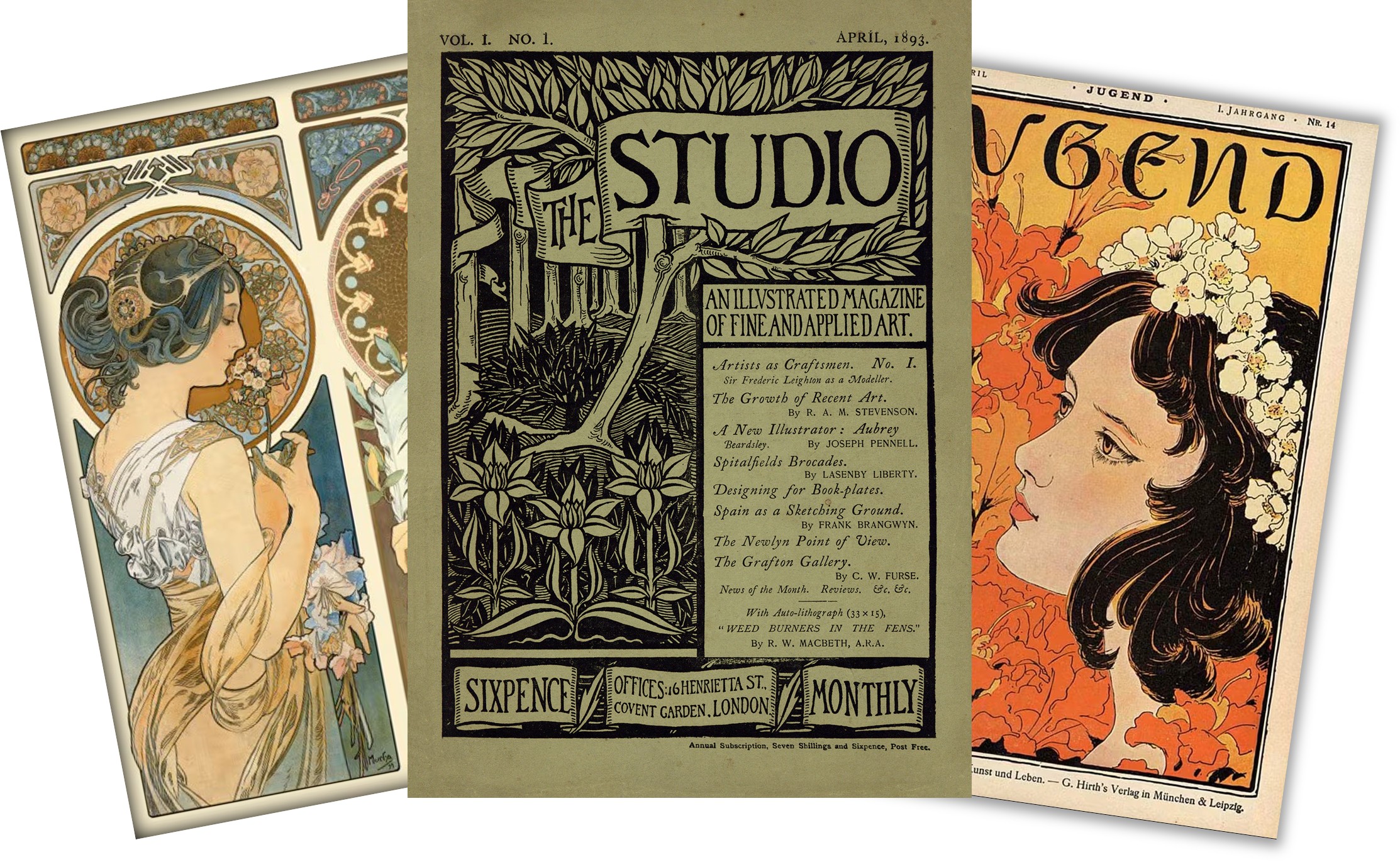
Pan-Nationalism: The Studio, Jugend, and Art Nouveau
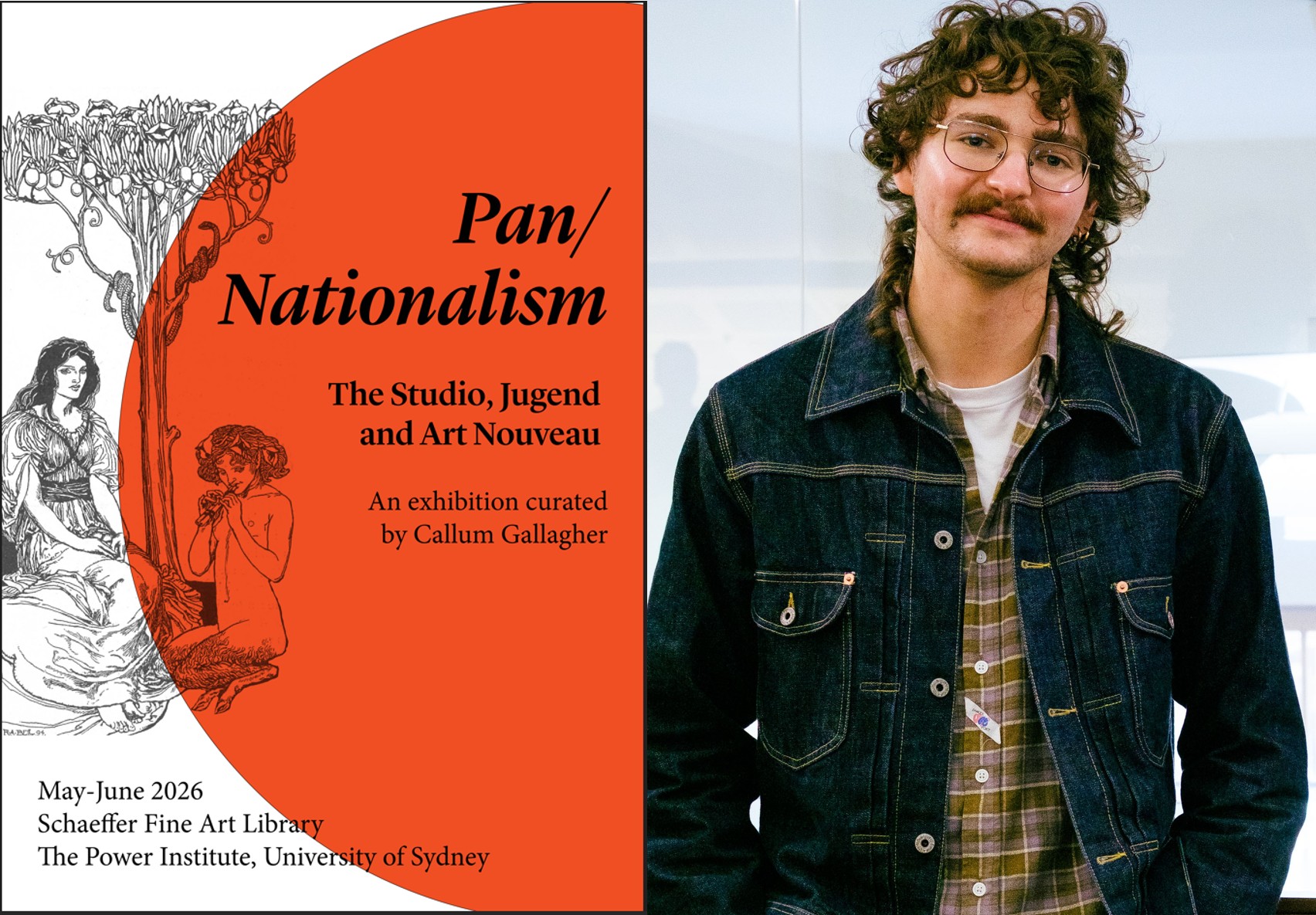
Callum Gallagher (curator)