
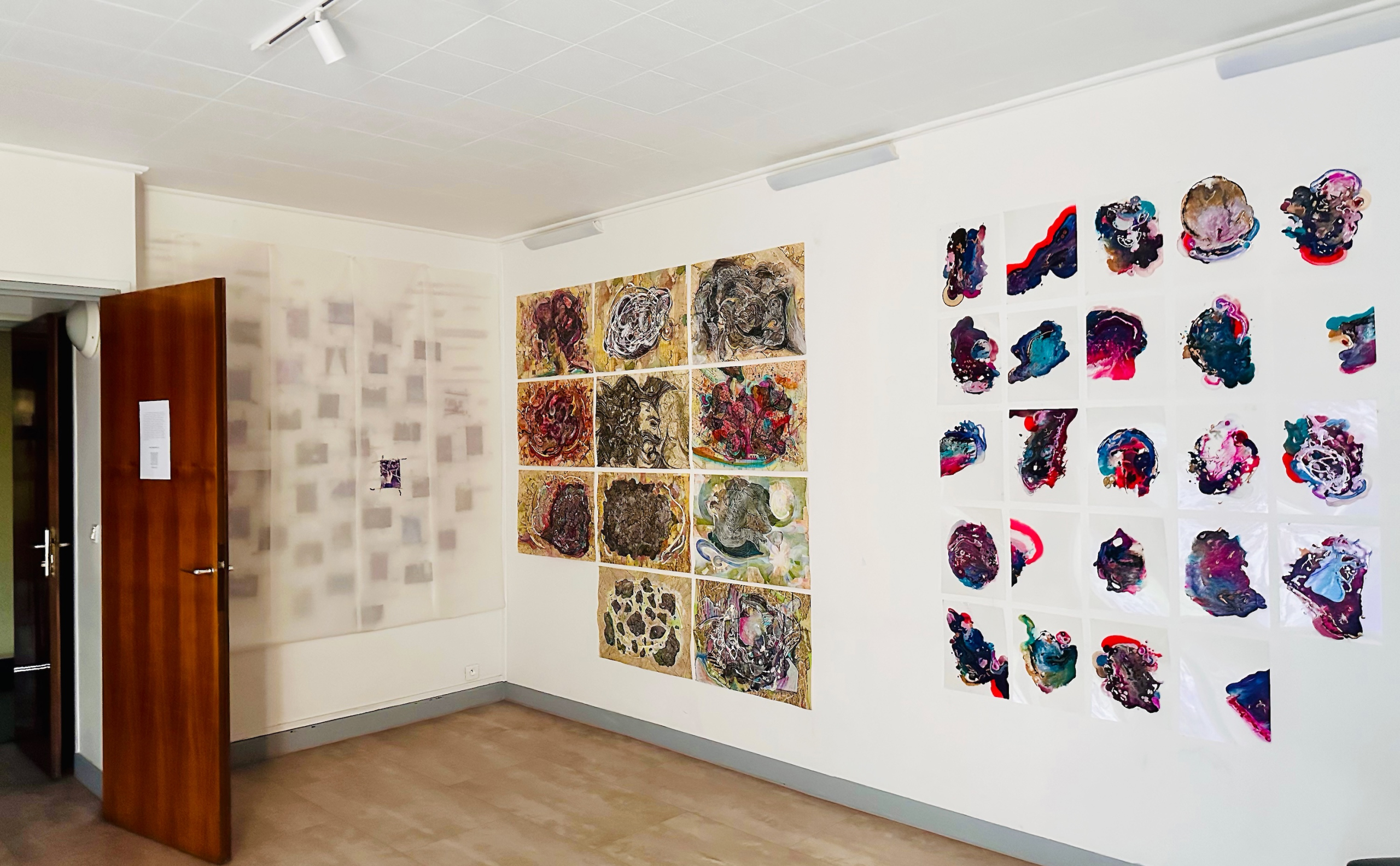
Artist Farnaz Dadfar reports on her time as one of our 2026 Paris Arts Fellows.
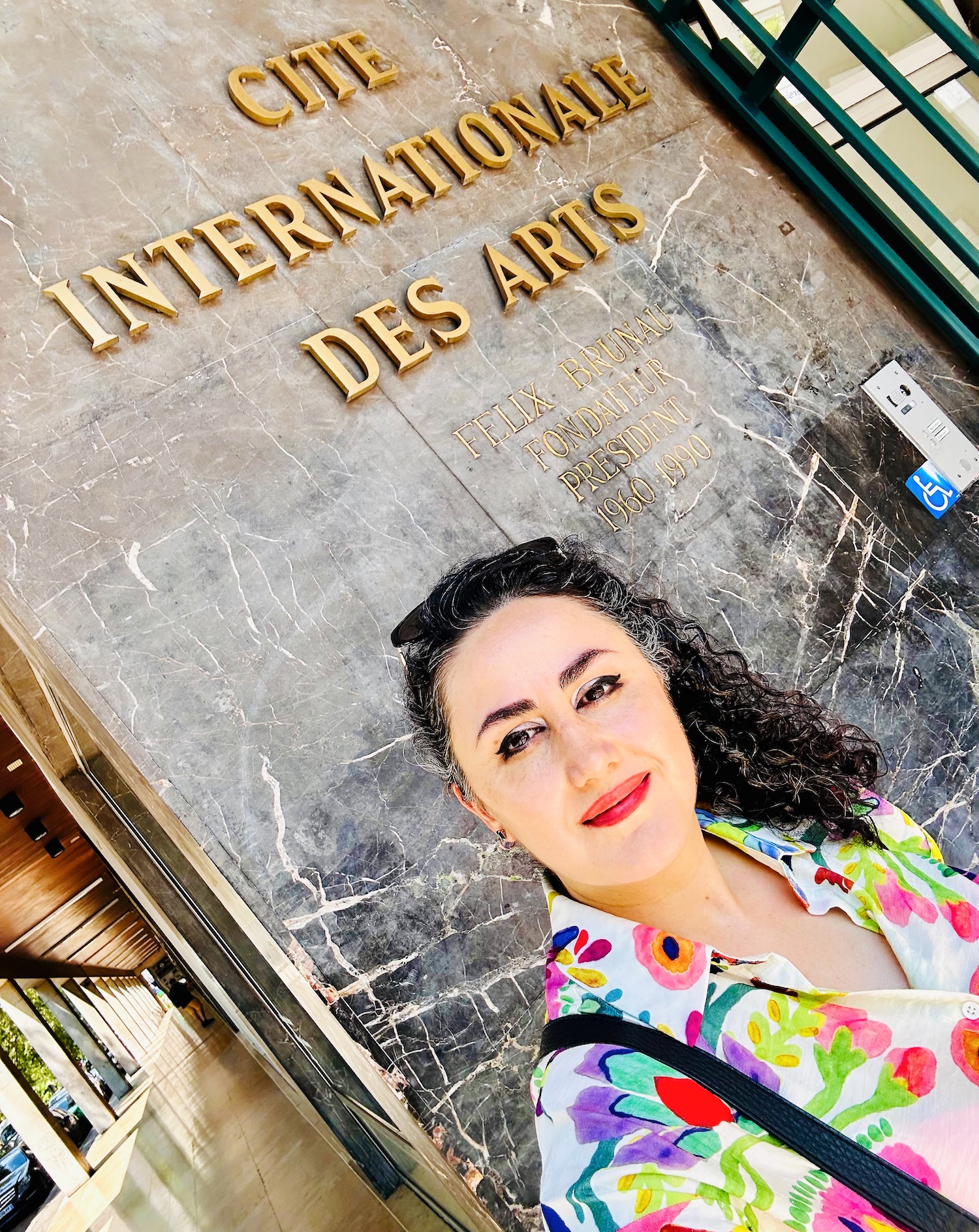
Read below a report from Farnaz Dadfar, who was a resident at the Power Institute's studio at the Cité Internationale des Arts in Paris from April to June 2026.
The Power Institute is deeply grateful to Nicholas Curtis AM and Angela Curtis for their generous philanthropic support of the Nicholas and Angela Curtis Cité Internationale des Arts Residency Fellowships and Virginia Spate Research Fellowships, which provide transformative opportunities for Australian artists and researchers to engage with Paris’s vibrant cultural community.
More information about the Paris Art Fellowships
During my 2026 Fellowship at the Cité internationale des Arts in Paris, supported by the Power Institute at the University of Sydney, I developed LILAC SEA SALT: Silence, Exile, and Cunning, an interdisciplinary installation exploring political trauma, exile, and memory through drawing, video, glass sculpture, photography, painting, and Farsi text. The project examines how personal and collective experiences of displacement are materially inscribed, mediated, and contested within diasporic Iranian contexts.
The Cité residency provided an important international framework for extending my research examining how artistic practice is shaped by geopolitical conditions of visibility, access, and cultural translation. Working in Paris, I engaged with the city as both a material resource and a site of historical significance. Visits to archives, libraries, museums, and galleries, alongside exchanges with artists, technicians, and researchers, informed my investigation of migration, censorship, and the instability of historical records.
Archival research at the Institut du Monde Arabe, the Bibliothèque Nationale de France, and the Cité Nationale de l’Histoire de l’Immigration directly informed the conceptual and visual development of the project. Engagement with these collections enabled me to situate my practice within broader histories of exile, ideological change, and cross-generational displacement.
A central methodological strategy was concealment, developed in response to contemporary socio-political conditions in Iran and the ethics of representation within diasporic practice. Selected works—including archival fragments, performance documentation and sculptural elements—were partially obscured beneath white rice paper. This gesture operates both as a response to censorship and as a conceptual extension of the work, foregrounding absence, opacity, withdrawal, and the politics of visibility.
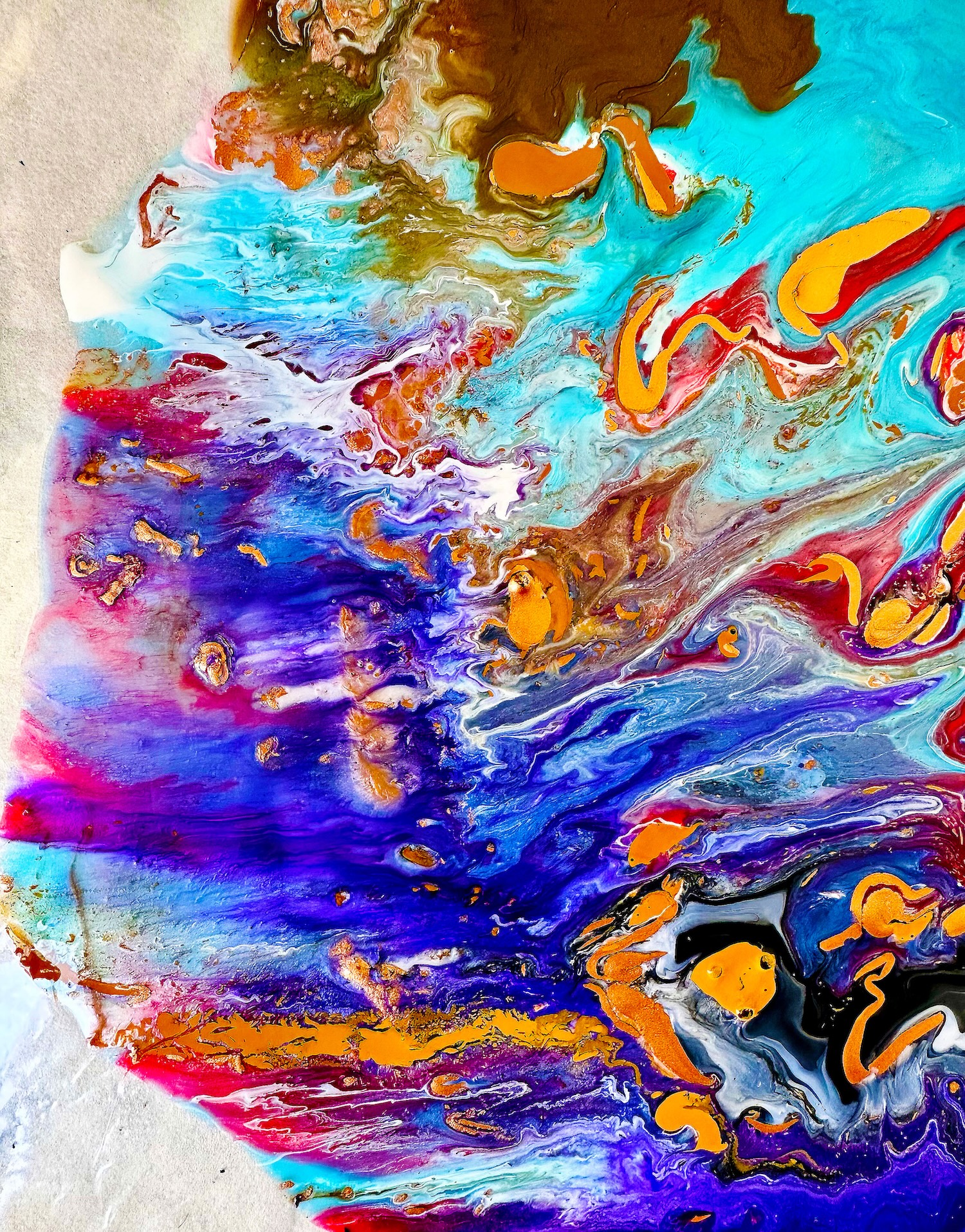
Material experimentation was central to the project. A large-scale frottage on Wenzhou rice paper was produced by rubbing surfaces at a politically significant historical site in Paris, transforming drawing into a performative record of place. A series of works on archival maps used mixed media to symbolically disrupt cartographic systems and explore migration through fragmentation, repetition, and re-mapping. These investigations extended into acrylic paintings and a ten-minute video combining slow painting processes with performative gestures involving shattered glass. The act of placing my hand into a bucket of broken glass functions as a metaphor for precariously confronting sensitive political histories. Sound recordings of waves from multiple sites, layered with Australian birdsong, evoke shifting geographies of belonging and displacement.
A large-scale salt drawing, derived from an archival map and reconfigured as an abstract vessel, explores erosion, preservation, maritime passage, and the fragility of identity and homeland. Projected lilac and violet-toned light transforms the salt surface into a shifting spatial field, reinforcing the work’s sense of instability and continual transformation.
The residency also enabled collaborations with glass artists Cyril-John Rousseau at his atelier in L’Isle-Adam and Andrew Erdos at POUSH Hot Glass, Le JAD – Jardin des Métiers d’Art et du Design, resulting in three sculptural works exploring fragility, endurance, opacity, and transparency. These collaborations significantly expanded my material practice and technical vocabulary and introduced new possibilities for integrating glass into my artistic practice.
Overall, the Fellowship provided essential time, resources, and an international research environment for developing this body of work. It strengthened professional collaborations, expanded my material and methodological approaches, and enabled me to present the project within an Open Studio context. The residency has established a foundation for future exhibitions and research into diaspora, memory, and materiality, while deepening my engagement with how the invisible traces of political trauma can be translated into poetic and tactile forms across geographies and archives.
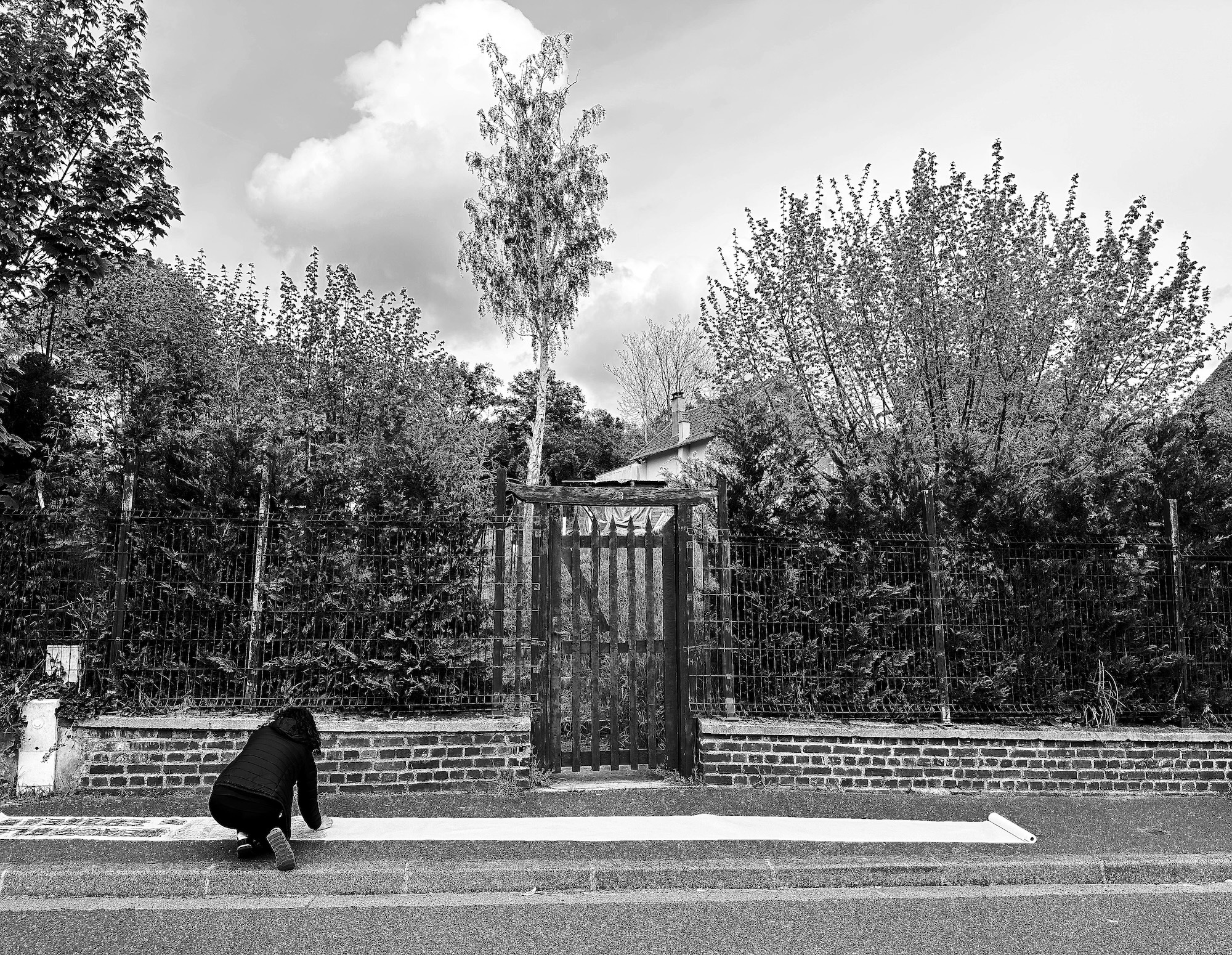
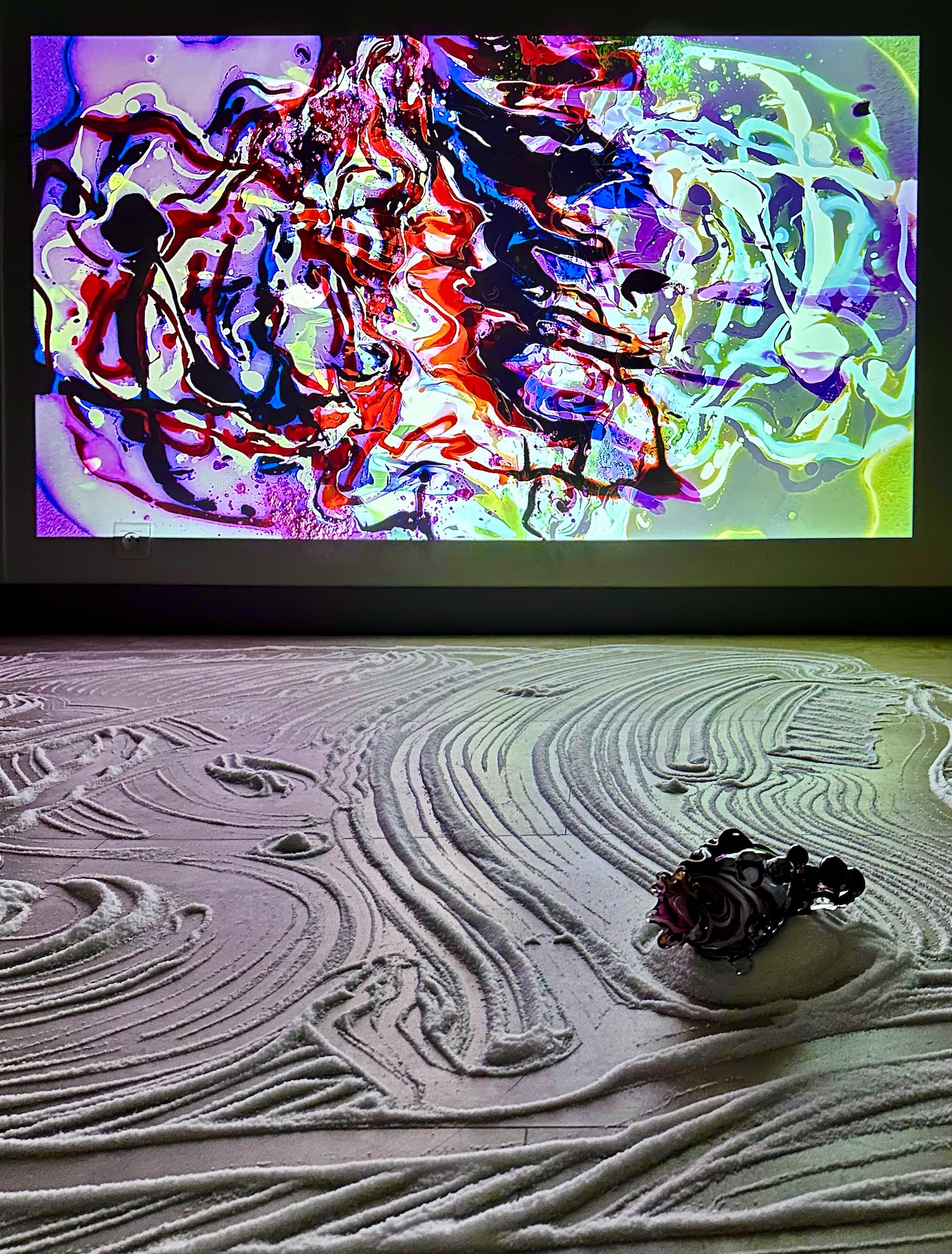
Farnaz Dadfar, LILAC SEA SALT: Silence, Exile, and Cunning, 2026
People
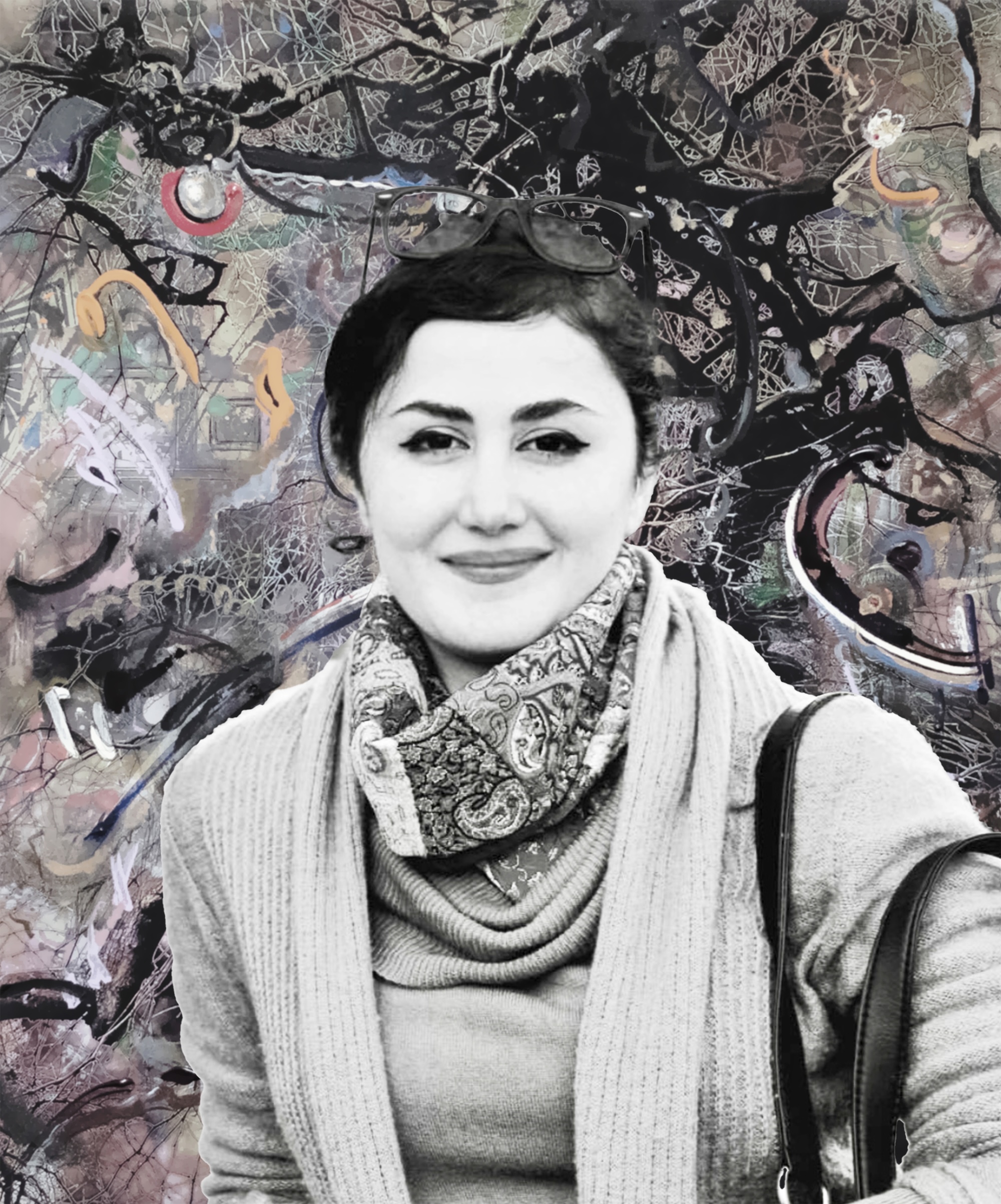
Farnaz Dadfar
Born in Tehran, Farnaz Dadfar is an interdisciplinary Iranian-Australian artist based in Sydney. Her practice spans sculpture, painting, installation, video, and text, exploring the notion of diaspora through the lens of migration and storytelling. Motivated by exilic sensations and hybrid positions, her experimental and polyphonic expressions reinterpret the ambivalent legacies of Eastern–Western juxtapositions through fragmented themes of displacement, cultural identity, and nomadism, tracing visceral connections between lived experience, research, and artistic practice. Farnaz has exhibited in galleries and museums across Australia, Germany, Indonesia, and Iran, including Annandale Galleries (Sydney), QUT Art Museum (Brisbane), Linden New Art (Melbourne), Spinnerei (Leipzig), Sarang Building (Yogyakarta), and Saba Cultural Artistic Institute (Tehran). She has received numerous grants and awards, including the Paulette Isabel Jones Career Development Award, the Arthur Macquarie Travelling Scholarship, the Fauvette Loureiro Memorial Scholarship – SCA Travel, the Anne Runhardt Art Award (Notfair), the David Richards Drawing Award, and the VCA Galloway Lawson Prize. Farnaz holds a PhD in Visual Arts from the University of Sydney and is a sessional academic at Sydney College of the Arts.