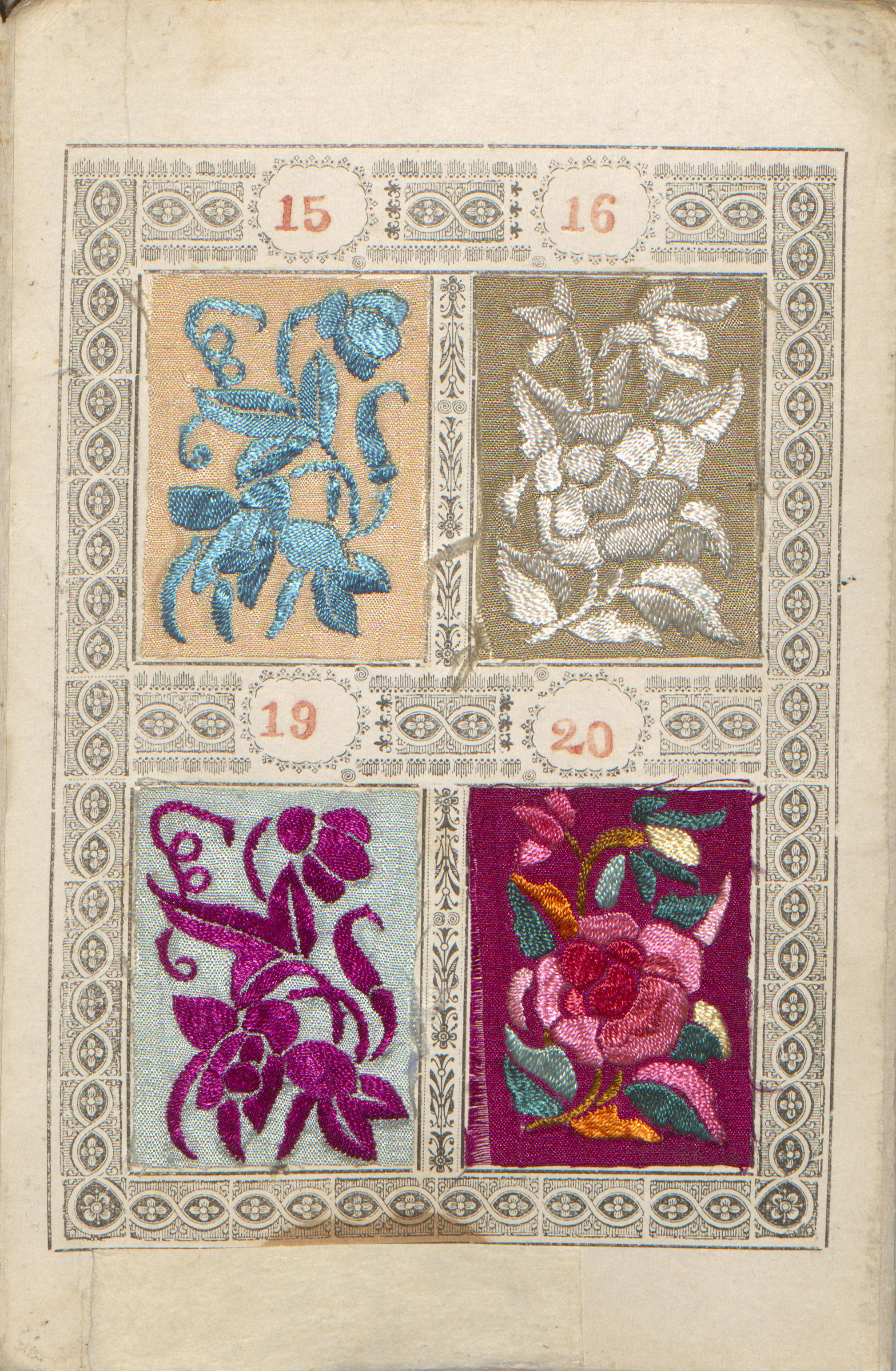
A great fire and whirling smoke
A presentation by visiting scholar Marie Ngiam (University of Oslo) on arboreal aesthetics and the transcultural agency of tree burls.
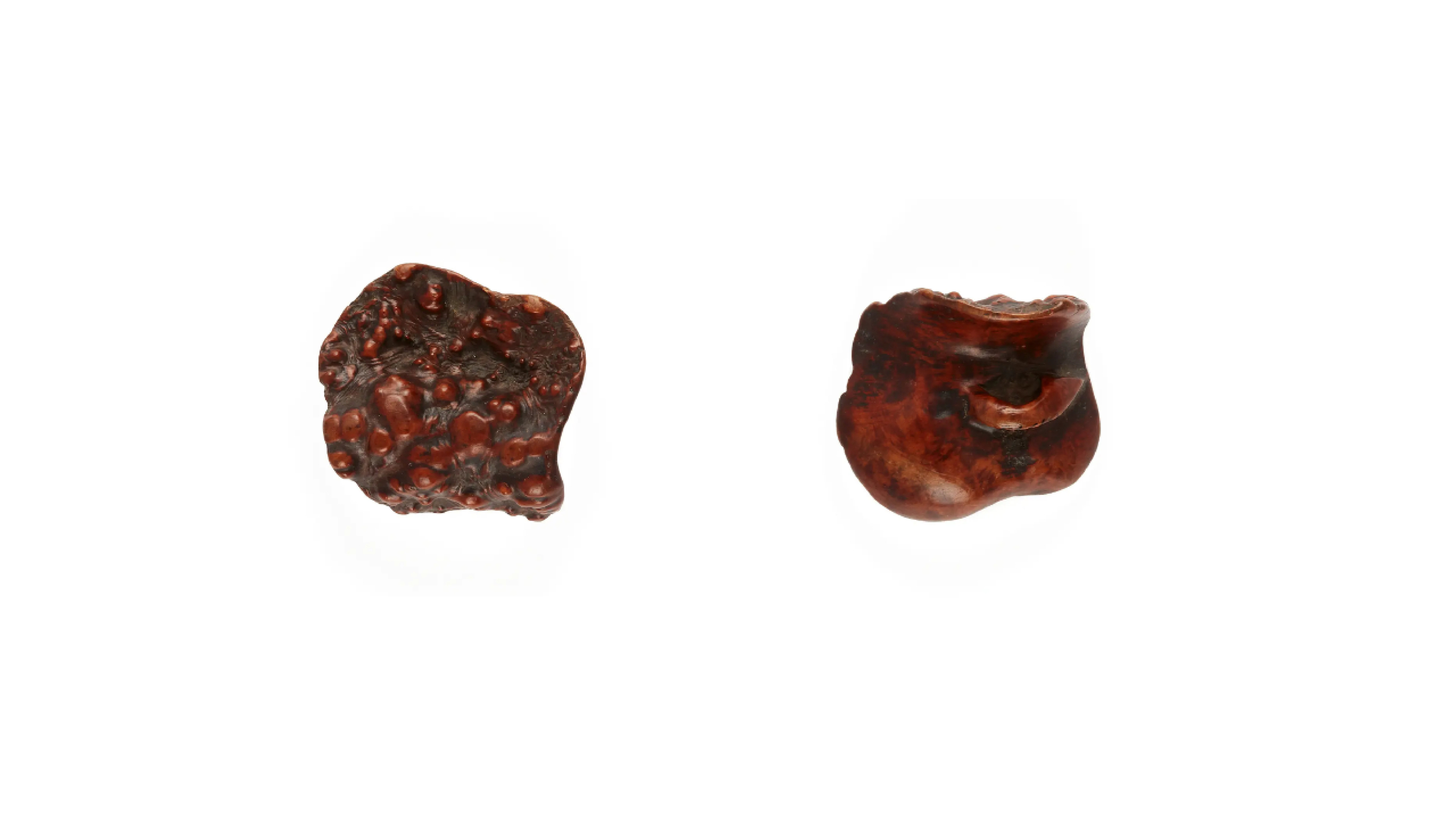
Dress toggle made of burl wood. Object no. 925/593. 22 x 42 x 38mm. Powerhouse Collection - Dress toggle made in China, c. 1700-1940.
This talk examines the early modern aestheticisation of tree burls as a distinctive form of arboreal matter across early modern Europe and China. Although collectors in both traditions prized burls, they valued them in markedly different ways. On the one hand, burls were appreciated as luxury veneers for furniture and collectible objects. On the other, they were understood as anomalous arboreal growths—irregular and strange excrescences that emerged spontaneously on living trees.
Drawing on ecocritical approaches to materiality, this talk reconsiders wood not simply as timber, but as living matter where aesthetic appreciation hinged on arboreal vitality. Placing European and Chinese engagements with burls in dialogue foregrounds an aesthetic that oscillated between seeing animate patterns in figured grain which evoked flames, smoke, and other natural phenomena, and as contorted arboreal outgrowths whose irregular forms embodied processes of growth and transformation.
Part of the Art History Seminar Series, convened by Mary Roberts and Nick Croggon, and presented by the Power Institute and the discipline of art history at the University of Sydney.
Join via Zoom
People
Marie Ngiam
Marie Ngiam is a PhD candidate in art history at the University of Oslo. She is a member of the European Research Council funded project, ECOART: An Ecological History of Eurasian Art: Natural Resources, Aesthetic Practices, and Early Modern Globalization. Her PhD dissertation, ‘Arboreal Aesthetics: Trees, Crafts, and the Representation of Ecological Knowledge in the Southeast Asia-South China Nexus, 1500-1800’, adopts an ecocritical perspective in examining human engagement with arboreal affordances at the Southeast Asia-South China nexus through a selection of visual and material artefacts. Before coming to Oslo, she completed her masters degree in World History at the University of Cambridge where her dissertation focused on the botanical writings of the Republican Chinese intellectual, Zhang Liqian (1900-1955).
Related
Thu, 13 August 2026
3:00PM
Making the Modern Middle East: The New Artist-Illustrators, 1842-1890
Mary Roberts, Ekaterina Heath, and Lucy Pittman
Thu, 10 September 2026
3:00PM
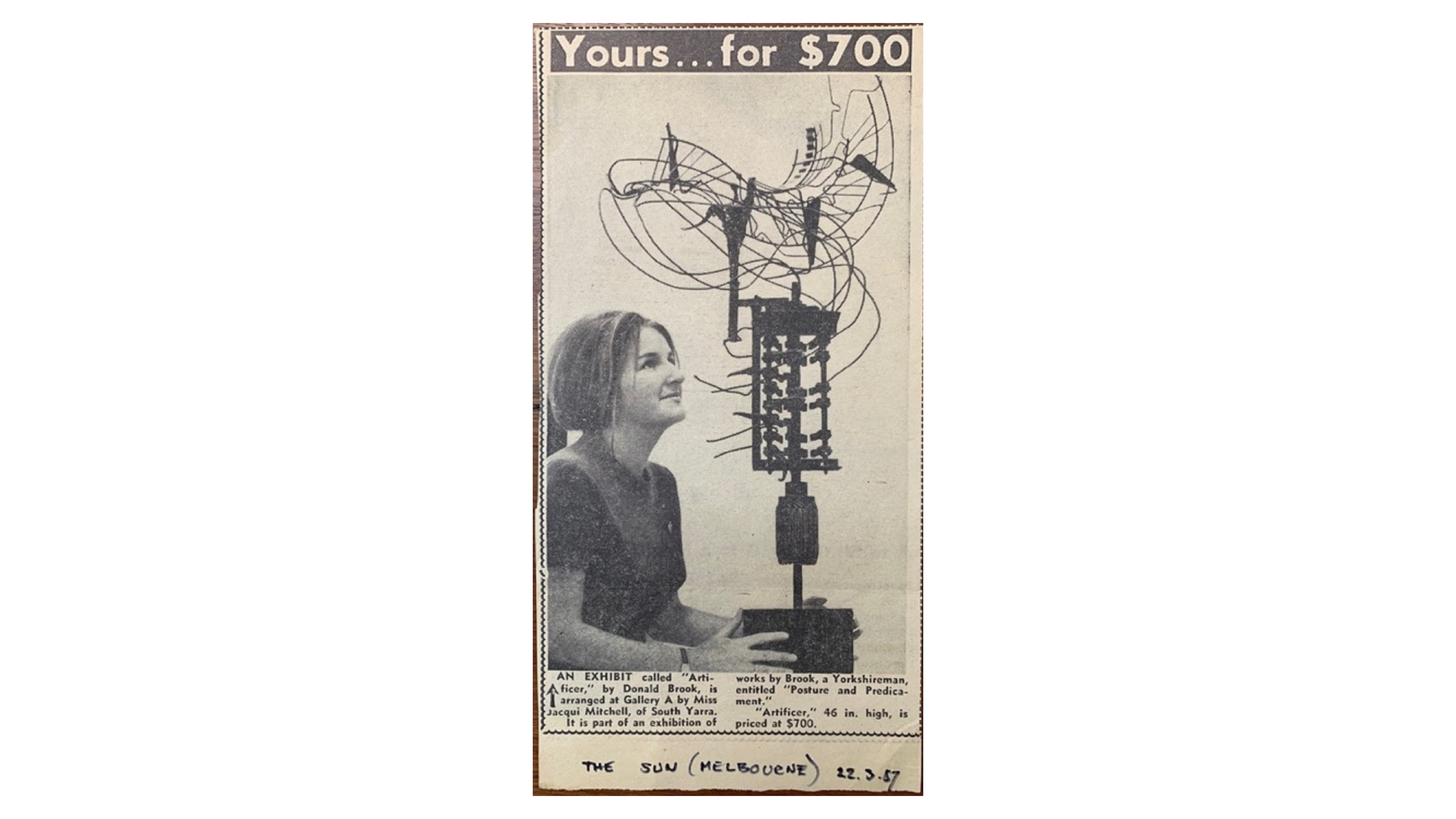
The forgotten Donald Brook: Sculptor of post-war humanism
Roger Benjamin